A patio can look polished at 5:30 and feel like a liability by 7:00. Glassware is lined up, citrus garnish is fresh, dessert plates are moving, and then the fruit flies show up around the bar rail, the bussing station, the trash enclosure, and finally the tables.
That's where many operators make the wrong call. They treat flies as a minor annoyance and reach for a random trap, a spray, or a last-minute staff fix. In outdoor hospitality, that approach usually fails because fruit flies aren't reacting to one thing. They're responding to sugar, fermentation, standing residue, heat, airflow, and guest traffic all at once.
A good outdoor fruit fly trap matters. But one trap on its own won't clean up a patio, a buffet, or an event lawn. The operators who keep outdoor service under control use a system. They reduce attraction sources, intercept flies before they reach guests, and add close-range protection where food is exposed.
Why Your Outdoor Ambiance Is a Magnet for Flies
An outdoor dining area gives fruit flies exactly what they want. Sweet drinks. Garnish trays. Wine residue. Spillover from bussing tubs. Compost bins. Drains. Overripe fruit at the bar. Even a decorative citrus bowl can become part of the problem if staff lets it sit too long in the heat.

Guests don't separate “fruit flies” from “cleanliness.” They see insects near food and assume something is off. That affects how they judge the meal, the service, and the venue. For restaurants, hotels, wineries, and caterers, this is an experience problem first and a pest problem second.
The broader market reflects that shift toward professional control. The global fly trap market is projected to grow from USD 333.3 million in 2025 to USD 478.4 million by 2031, according to Mordor Intelligence's fly trap market outlook. More operators are treating fly control as part of standard operations, not an afterthought.
Why random fixes usually miss the mark
Most bad results come from one of three mistakes:
- Trap placement too close to guests: Operators hang a trap beside the table they want to protect. That can pull more activity toward the dining zone instead of away from it.
- No layout thinking: Service doors, bar stations, trash paths, and plating points create fly movement patterns. If you're reviewing patio flow, the same mindset used in choosing the right outdoor kitchen footprint applies to pest control too.
- Confusing attraction with prevention: A trap attracts. It doesn't create a no-fly zone by itself.
Practical rule: If guests can easily see the trap, there's a good chance it's too close to the experience you're trying to protect.
Fruit flies also build around conditions you may already have. Common attraction points around food and prep areas often include the overlooked details staff stops noticing during a busy shift, such as sticky syrup residue, fruit scraps near drains, and containers that aren't emptied fast enough.
Professional operators don't ask, “What trap should I buy?” first. They ask, “Where are flies entering the guest experience, and where can I intercept them before that?”
The Science Behind Luring and Capturing Fruit Flies
An outdoor fruit fly trap works when it behaves like a deceptive invitation. It promises food, fermentation, or a resting point. Then it prevents escape.
That sounds simple, but the mechanics matter. If you understand what the fly is responding to, you'll make better decisions about which trap to use and where to deploy it.
Scent pulls the fly in
The first job of a trap is usually olfactory attraction. Food-grade lures create a vapor plume that imitates what fruit flies seek outdoors: ripening produce, fermenting sugars, and food waste. In a commercial setting, that matters because your patio is competing with real attractants nearby, including drains, recycling bins, cocktail stations, and prep areas.
Professional-grade traps like the Jackson trap use a design with multiple venting holes to optimize the vapor plume of the food-grade lure, extending their effective catch radius to approximately 15 to 20 feet in outdoor conditions, according to USDA fruit fly trapping guidelines.
That radius doesn't mean one trap protects an entire patio. It means the lure can project far enough to intercept flies if the trap sits in the right lane of movement.
Visual cues close the deal
Scent gets attention. Visual design helps finish the job.
Many fruit flies respond better when the trap also gives them something noticeable to approach, such as a specific color, shape, or contrast. That's why purpose-built products usually outperform improvised containers. The trap isn't just holding bait. It's presenting a target.
If you're weighing lure-driven options, this guide to how fruit fly lure works in practical settings is useful because it separates the role of bait from the role of trap design.
A trap that smells right but presents poorly will underperform. A trap that looks right but has a weak lure won't pull enough traffic.
Entry design decides whether the trap actually works
Once the fly lands, the trap still has to keep it from leaving. That's where funnels, sticky panels, narrow entries, and enclosed interior surfaces come into play. Outdoor conditions make this part more important, not less. Wind, heat, and movement can reduce the effectiveness of weak designs fast.
Here's the practical takeaway:
| Trap function | What it needs to do outdoors | Why it matters in hospitality |
|---|---|---|
| Attract | Release a consistent scent plume | Competes with food and beverage odors |
| Signal | Stand out visually without looking messy | Needs to work without hurting presentation |
| Contain | Prevent escape after contact or entry | Reduces repeat activity near service areas |
A lot of operators buy based on bait alone. In practice, the trap body, venting, and entry design often decide whether that outdoor fruit fly trap becomes useful equipment or patio clutter.
Comparing Outdoor Fruit Fly Trap Solutions
Restaurant managers usually don't need more options. They need fewer bad ones. The right way to compare an outdoor fruit fly trap is by job role: monitoring, perimeter reduction, discreet control, or direct guest-area protection support.

Bait traps for perimeter reduction
These are the workhorses for outdoor use. They rely on a liquid, gel, or food-based attractant to draw fruit flies into a container or onto an internal capture surface.
For hospitality, bait traps make the most sense around the edges of activity. Think near trash corrals, service alleys, compost areas, recycling points, or landscaping zones adjacent to seating. They're not elegant up close, but they're useful where interception matters more than appearance.
What works
- Broad attraction: They can pull flies away from active guest areas if placed correctly.
- Good fit for repeat service: Refillable models are easier to build into staff routines.
- Useful in mixed environments: They still function when nearby odors shift throughout the day.
What doesn't
- Poor aesthetics near tables: Even a clean bait trap can look wrong in a premium dining setting.
- Placement mistakes backfire: Put one beside a buffet and you may increase fly activity where guests are standing.
- Heat changes performance: Lure life often drops in hot weather, so maintenance matters.
Sticky traps for monitoring and contained trouble spots
Sticky traps are simple. They capture flies on adhesive surfaces, with or without a scent component. Outdoors, they're less of a primary control tool and more of a tactical one.
They fit best in lower-visibility areas where you need to confirm activity or suppress a smaller cluster, such as near beverage waste bins, enclosed host stands, side stations, or partially sheltered service zones. They're less useful in exposed, windy patios.
A quick comparison of different fly trap types for specific use cases helps here, especially if you're choosing between monitoring tools and active reduction tools.
Pros
- Fast visual feedback: Staff can see whether a location is active.
- No liquid handling: Cleaner for some teams.
- Compact footprint: Easy to tuck into utility areas.
Cons
- Visibility issue: A trap full of insects looks bad if guests can see it.
- Reduced reliability outdoors: Dust, moisture, and debris compromise adhesive surfaces.
- Limited draw: They don't usually pull from a broader radius the way lure-based traps can.
UV light traps for evening operations
UV light traps appeal to operators because they feel modern and low-touch. In some settings they help, especially later in the day when ambient light drops and insect activity shifts.
For fruit flies specifically, I treat UV units as situational tools rather than the backbone of outdoor control. They're better in semi-enclosed patios, bar structures, covered catering stations, or transition spaces between indoors and out. In open-air service, results are less predictable.
What managers should weigh:
- Best fit: Covered bars, service corridors, enclosed outdoor structures
- Main upside: Reduced daily handling compared with bait systems
- Main downside: They often solve a different insect problem than the one frustrating your patio guests
If your issue is fruit flies around sangria stations, garnish caddies, and dessert service, don't assume a light trap is solving the right problem.
DIY traps for low-stakes use only
The classic vinegar jar or funnel bottle trap still gets attention because it's cheap and familiar. For a backyard gathering, that may be good enough. For a restaurant, wedding venue, or resort terrace, it usually isn't.
The problems are practical. DIY traps spill. They look improvised. They degrade quickly in heat and wind. And when guest traffic is heavy, they're one bump away from becoming a sanitation problem.
That doesn't mean they never catch flies. It means they don't belong at the center of a commercial plan.
The decision matrix operators actually need
| Solution type | Best role | Biggest trade-off |
|---|---|---|
| Bait trap | Perimeter defense | Needs careful placement and lure upkeep |
| Sticky trap | Monitoring or contained zones | Looks bad when loaded and weak in exposed areas |
| UV light trap | Covered evening spaces | Not always targeted enough for fruit fly issues |
| DIY trap | Temporary non-commercial use | Weak presentation and inconsistent outdoor performance |
For most hospitality sites, the strongest setup is simple. Use bait traps to reduce pressure around the perimeter. Use targeted sticky or light-based tools only where the environment supports them. Don't ask any single device to do every job.
Where to Place Traps for a Fly-Free Perimeter
Most outdoor fruit fly trap failures are placement failures. The trap itself may be fine. The operator just hung it where guests sit, where sun cooks the lure too quickly, or where wind strips the attractant away before flies ever find it.
Good placement starts with one principle: build a perimeter, not a centerpiece.

Start with source zones, not table zones
Walk the property before service. Don't look for where flies annoy guests most. Look for where they're being fed.
In hospitality settings, the usual suspects are easy to miss because they're operationally normal:
- Waste handling points: Trash lids, recycling bins, bottle dumps
- Service residue zones: Bar mats, bussing stations, dish return carts
- Exterior and produce areas: Fruiting plants, compost, decorative citrus, herb stations
- Transition points: Back doors, roll-up windows, prep pass-throughs
Hang traps near those pressure points, but not so close that they interfere with staff movement or become visible to guests. The trap should intercept traffic before it enters the dining experience.
Use height, shade, and spacing correctly
Professional placement guidance is more precise than most operators realize. Professional guidelines specify positioning traps in the upper two-thirds of a tree canopy, away from dense foliage, and ensuring a separation of at least 10 feet between traps to prevent competitive interference, as noted in this placement guidance reference.
Those same ideas translate well to restaurant patios and event spaces:
- Height matters: Don't drop traps at ankle level beside planters and expect strong results.
- Shade matters: Direct heat can reduce lure performance and create a messy visual.
- Spacing matters: Clustering traps too tightly can make the whole setup less efficient.
Put traps where flies travel and feed, not where guests complain about seeing them.
A practical zoning plan for patios and events
I like to think in three rings.
Outer ring
This is the reduction zone. Place bait traps near dumpsters, compost, bottle return areas, perimeter fencing, rear landscaping, and service alleys. These locations do the heavy lifting because they target fly pressure before it reaches the patio.
Middle ring
This is the intercept zone. Use traps near the edges of host stands, side yards, potted tree lines, or pathways between utility areas and guest areas. Keep them discreet. The job here is to catch spillover movement.
Inner ring
This is the protected zone. Don't rely on attractant traps beside dining tables, buffet lines, or cocktail stations. That's the mistake I see most often. Close to food, your priority shifts from attraction to immediate disruption and guest comfort.
Common placement errors that waste money
| Mistake | What happens |
|---|---|
| Trap beside the table | You draw attention and possibly more fly traffic toward guests |
| Trap in full sun all day | Lure degrades faster and staff ends up replacing it too often |
| Trap buried in dense foliage | Airflow and visibility drop, reducing effectiveness |
| Too many traps too close together | They compete instead of covering more ground |
One more real-world point. Outdoor service changes by daypart. A brunch patio with juice and fruit garnish may need a different trap map than an evening cocktail terrace. Review fly pressure the same way you review staffing and seating flow. Static placement rarely stays optimal all season.
Maintenance Schedules for Commercial Outdoor Traps
A neglected outdoor fruit fly trap turns into décor that no longer works. Sometimes worse, it becomes something staff assumes is handling the issue while fly pressure keeps building around it.
Commercial trap maintenance needs to be simple enough that a shift lead can verify it quickly and strict enough that nobody forgets it during a rush.
Build service into opening and weekly checks
Establishing a routine is more effective than providing a vague reminder to “check the traps.” For outdoor hospitality, I recommend assigning trap review to the same operational rhythm used for patio setup and waste checks.
A workable field routine looks like this:
- At opening: Confirm traps are upright, intact, and still positioned away from guests and food display areas.
- During weekly site review: Check catch levels, residue buildup, and whether nearby conditions have changed.
- After weather events or large functions: Recheck placement. Wind, staff movement, and rentals often shift trap locations without anyone noticing.
Heat changes replacement timing
Temperature has a direct impact on lure life. The effectiveness and lifespan of food-grade liquid lures are heavily influenced by temperature. Warmer conditions can accelerate vapor emission, shortening an effective 45-day lure lifespan to 25 to 30 days in peak summer heat, according to TERRO's fruit fly trap guidance.
That's the operational takeaway. Don't lock your whole season into one replacement calendar. A shaded courtyard and a sunny poolside bar won't age lures at the same pace.
A trap that worked fine last month may simply be exhausted, not badly designed.
What staff should look for
The best maintenance checklists aren't long. They're specific.
- Low catch count in a known problem area: Reassess placement first. Don't assume the lure is the problem.
- Fast fill rate: That usually means the trap is in a productive lane. Replace promptly and keep the position.
- Sticky surface fouled by dust or moisture: Replace sooner. Outdoor debris compromises performance.
- Visible mess on exterior housing: Clean or replace immediately. Anything guests can see becomes part of your brand presentation.
Cleaning and handling standards
Reusable trap bodies save money, but only if staff handles them cleanly. Train one role, usually the opening supervisor or facilities lead, to own lure changes and disposal. That keeps the process consistent and avoids half-serviced traps across the property.
For restaurants and caterers, I'd keep these rules in place:
- Wear gloves during lure change or disposal
- Seal spent materials before carrying them through service paths
- Never clean trap parts near food prep or beverage stations
- Log replacement dates for each zone, not just each product type
The operators who get the best ROI from traps aren't doing anything fancy. They're just treating traps like equipment instead of accessories.
Integrating Traps with Modern Lyfe Fly Fans
Traps reduce population pressure. They don't create immediate calm over a plated entrée, a wedding cake table, or an outdoor raw bar. That's why the most effective hospitality setups use two layers that do different jobs.
The perimeter layer handles attraction and capture away from guests. The table-side layer protects the moment of service.

Perimeter defense is the trap's job
A systematic approach matters more than most operators think. Federal fruit fly surveillance guidelines mandate trap densities that can reach 10 traps per square mile in high-risk zones, which reinforces the value of layered coverage rather than one-off placement, according to USDA APHIS fruit fly detection guidelines.
Hospitality sites don't copy those agricultural deployment maps directly, but the operating principle carries over well. Coverage works better than guesswork. A few well-placed perimeter traps around waste, service, and landscaping zones outperform a random collection of devices hung wherever staff finds a hook.
Table-side protection is a different problem
Guests judge the table they're sitting at, not the success of your perimeter program. Even if traps are reducing the overall fly load, a single persistent insect near bread service or shared plates can still damage the experience.
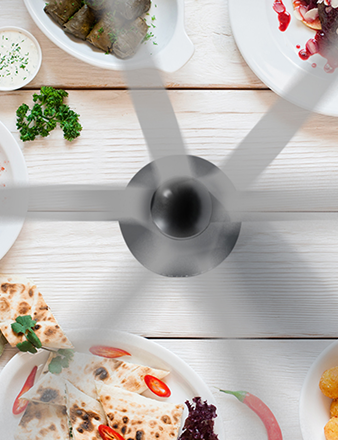
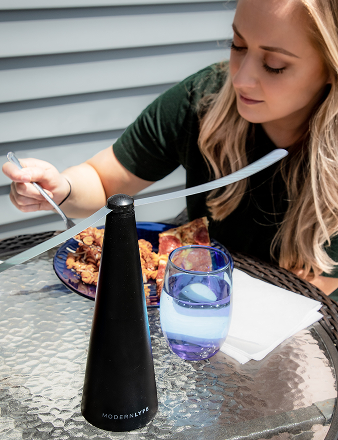
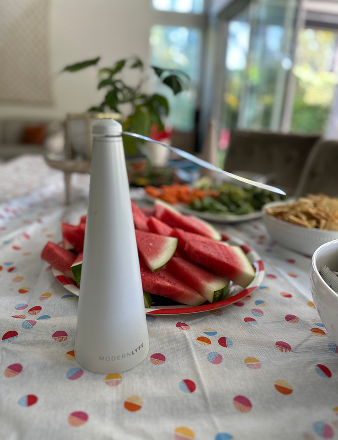
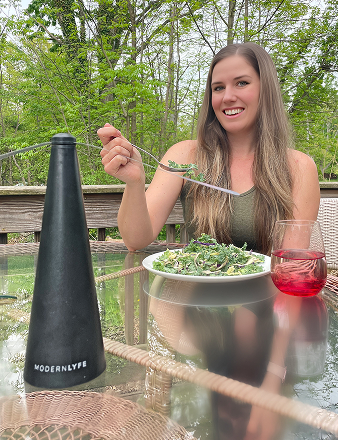
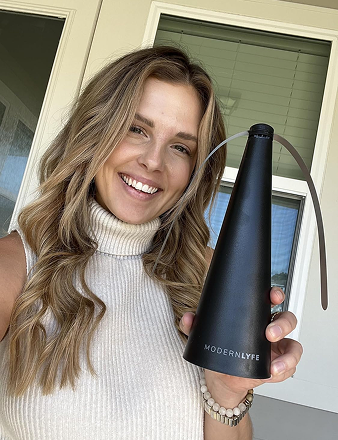
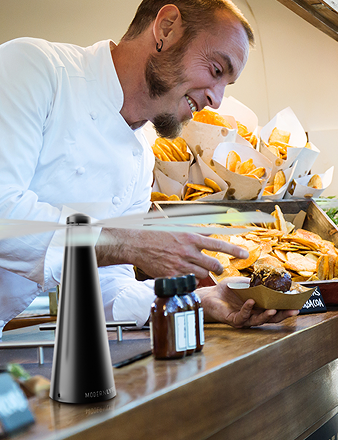
That's where active air movement becomes useful. A battery-powered table fan designed for fly disruption doesn't need to attract anything. Its role is to make the immediate area less accessible and less comfortable for flies trying to land near food.
For that reason, a table-side device like a Modern Lyfe fly fan fits best in the inner ring of service. Use it on buffet lines, host stations with passed bites, dessert displays, outdoor brunch tables, and event food stations where food sits exposed and appearance still matters.
The combined system that works in practice
This is the model I recommend most often:
- Perimeter traps: Place them near fly sources and approach lanes
- Operational cleanup: Reduce residue, empty waste quickly, and keep garnish areas tight
- Table-side air defense: Add fan-based protection where guests are actively eating
That combination solves the practical gap most guides miss. Traps are good at reducing fly pressure over time. Fans are good at protecting the final few feet where the guest experience happens.
If you use traps alone, you may still lose the table. If you use table fans alone, you may never reduce the source pressure. Use both for different reasons.
A restaurant manager doesn't need a clever hack here. You need separation of duties. Let the outdoor fruit fly trap work outside the guest moment. Let table-side air protection handle the guest moment itself.
If you're building a cleaner outdoor dining setup, MODERN LYFE offers fly fans that fit the table-side part of that system for restaurants, hotels, catering events, and home entertaining. Use them alongside perimeter trapping and better sanitation practices to create a more complete, guest-friendly fly control plan.