You've wiped the tables, brought out the food, and opened the patio. Then flies start landing on glasses and circling the buffet. Staff keep swatting while guests cover their plates, but the flies return as quickly as they're chased away.
Patio fly control starts where flies feed and breed, not where guests notice them. The Food and Agriculture Organization's food-hygiene guidance explains that flies can carry disease organisms from decaying materials to food and food-contact surfaces. Protecting dinner matters, but finding the wet waste, dirty drain, or sticky bar tray matters just as much.
How to Control Patio Flies Step by Step
Use this order: observe, inspect, clean, contain waste, monitor, protect the dining zone, and evaluate. Buying equipment before doing the dirty work makes it harder to tell whether you've fixed anything.
- Walk the patio at opening. Cover any food attracting flies immediately, then log each sighting by location and time. Note whether flies cluster over dishes, bins, drains, or the bar, because a location-specific record is more useful than “flies everywhere.”
- Inspect likely sources before service gets busy. Open refuse containers, examine drains and compost, and check standing water and drip trays for wet organic residue. Look underneath removable parts, not just at the clean surfaces guests see.
- Clear residue and protect food. Wipe tables, buffet edges, condiment stations, and serving counters, then cover exposed food between uses. A clean tabletop won't help much if spilled dressing remains beneath a serving tray.
- Close bin lids, contain leaking waste, and drain collected liquids into the appropriate disposal point. Move refuse away from seating and doors without obstructing staff routes or emergency access.
- Set sticky-trap monitors near waste, service zones, and perimeter entries. Use the ground-level placement and spacing guidance in the placement table where suitable for the trap design, and record catches at the same time daily. Label each position so staff don't accidentally compare different locations.
- Add placement-safe fans or barriers beside the dining zone, never over food. Keep capture equipment away from plates, and arrange airflow so it doesn't push dust or debris toward dishes.
- Review the log after one week. Compare sightings and catches under similar weather, and distinguish fewer flies over food from fewer flies near the breeding source. If only the guest area improves, keep working on source removal.
Keep the record simple
A clipboard with columns for time, location, fly appearance, conditions, and action taken is enough. For a home patio with small flies, Barefoot Organics' DIY traps for pesky gnats offers a supplemental resource, but a homemade trap isn't a substitute for identifying the insect and removing its source.
Keep the operating sequence visible where staff prepare for service.
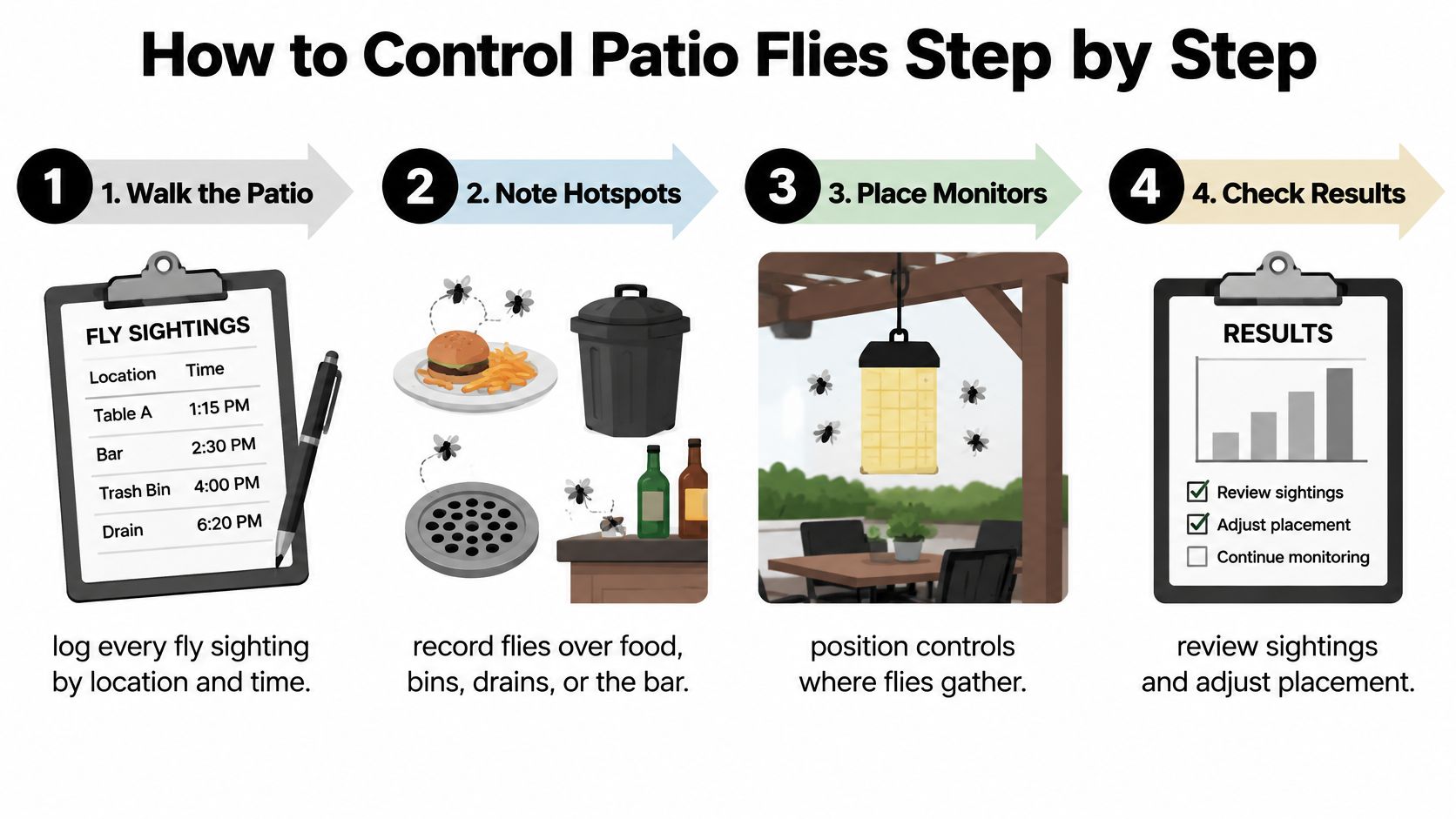
You should finish with a dated sighting log, an actionable source list, and a monitoring baseline, not just more equipment.
Find the Breeding Source Before You Choose a Control
Fewer flies at the table can hide an unresolved breeding site. A buffet visitor might have arrived from a dumpster, drain, compost container, planter, or spilled drink. Those locations need different fixes, and some attract adults without being the place they're breeding.
Start by distinguishing small fruit flies from larger house flies, without treating size alone as a definitive identification. PestWorld's restaurant pest-management guidance connects effective control with sanitation, inspections, maintenance, monitoring, employee training, and targeted treatment. That's the practical basis of integrated pest management, rather than repeated spraying.
Fly sources, signs and fixes on a patio
| Source | Fly Signs | Check | Fix |
|---|---|---|---|
| Dumpsters and refuse | Larger house flies around bins | Lid seals, wet waste, spills on pad | Close lids, drain liquids, move bins away from seating |
| Drains and grease traps | Small fruit flies hovering over sinks | Film, standing water, debris | Scrub drains, use an appropriate drain cleaner, repeat weekly |
| Beer lines and drip trays | Fruit flies near taps and bar rails | Sticky residue, drip tray buildup | Clean lines and trays, empty drip trays daily |
| Fermenting produce and compost | Fruit flies over fruit or compost bins | Overripe fruit, open compost | Remove waste, cover bins, move compost away from patio |
| Standing water and planters | Flies near saucers, puddles and wet soil | Puddles after rain, clogged gutters | Empty saucers, clear gutters, correct drainage |
| Open food and drinks | Flies landing on buffets and glasses | Uncovered trays, sticky edges | Cover food, clean edges, rotate dishes faster |
Use a drain brush to remove accessible organic film rather than assuming a liquid treatment will reach everything. Choose a cleaner compatible with the plumbing and food-service setting, and never mix cleaning chemicals.
Match the inspection to the operation
At home, begin with trash, compost, grill residue, and plant saucers. A food-truck operator should trace activity around the service window and waste containers; an outdoor-bar team should lift drip trays and inspect beneath the taps. Hotel buffet staff need to inspect both display stations and the back-of-house waste route.
Persistent puddles need a drainage fix, not another trap. Prestonwood Commercial Landscape Services drainage advice is a useful starting point when runoff or poorly drained landscaping keeps the patio wet.
Diagnostic rule: A source you can't find is a source you can't yet control.
Protect Food and Place Controls Safely
Protect food before optimizing catches. The World Health Organization's Five Keys to Safer Food places insect protection under “Keep clean,” alongside handwashing and cleaning and sanitizing preparation equipment. Fly deterrence doesn't replace safe temperatures, separation of raw and cooked food, or other food-handling controls.
A barrier belongs between contamination and food, without making service awkward.
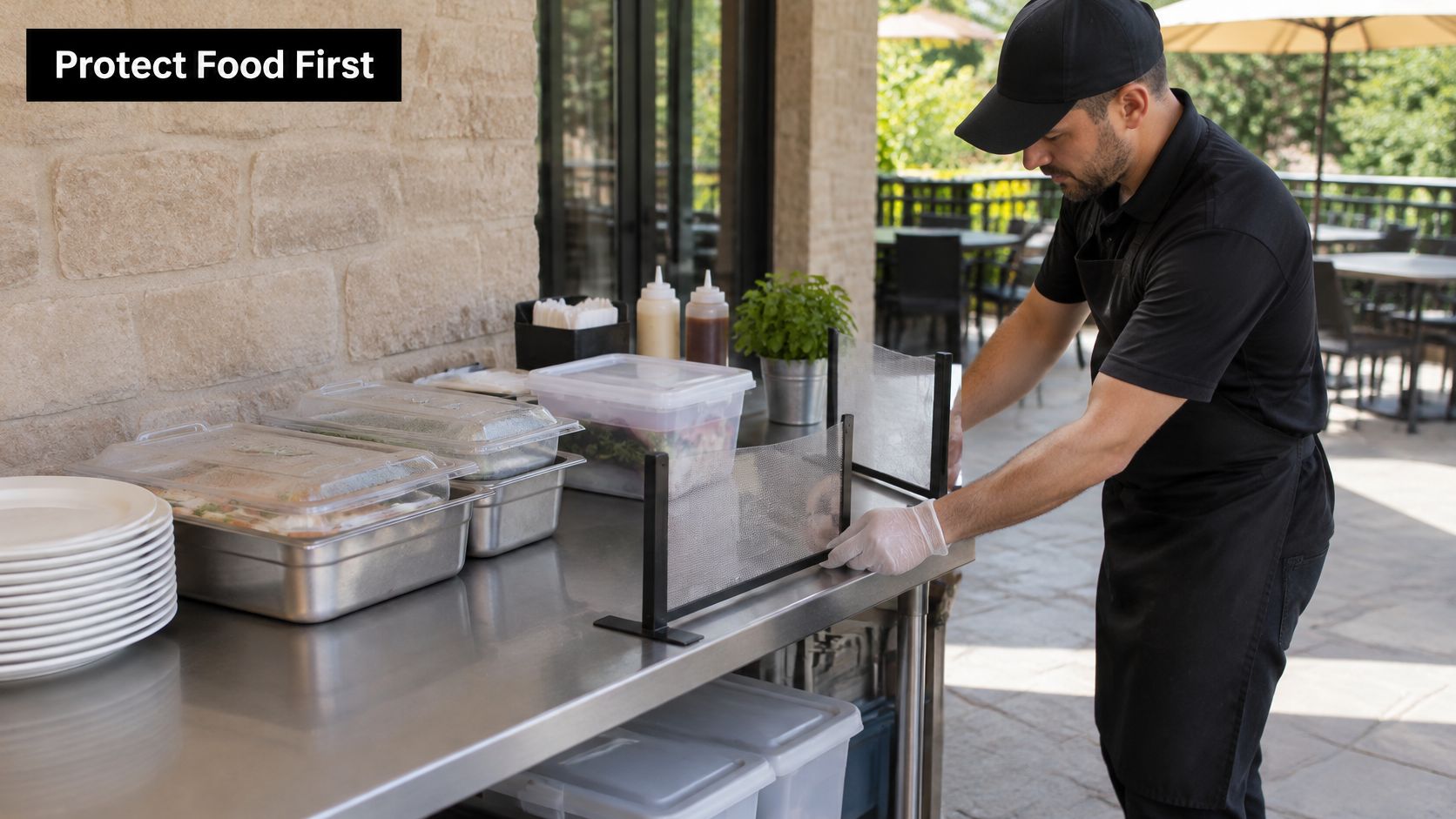
- Cover the food and containers. Choose outdoor food covers that servers can replace easily. A cover left beside the tray during a rush provides no protection.
- Keep control devices beside the protected area, not above exposed food. Electrocuting or stunning devices must not sit over preparation areas or scatter insect fragments onto food, clean equipment, utensils, linens, or unwrapped single-use items.
- Position monitors where flies gather. Keep them unobstructed, outside walking routes, and near rather than over waste-handling and service pathways. Don't create a trip hazard to reproduce an experimental setup.
Trap height and spacing from field research
The house-fly delta-trap field study reported the following height and spacing results; these are findings for that trap setup, not universal specifications for every device.
| Setting | Value | Evidence |
|---|---|---|
| Trap height | Ground level | Highest captures in house-fly delta trap field research |
| Trap height | 0.3 m | Capture declines above ground level |
| Trap height | 0.6 m | Capture declines further |
| Trap height | 0.9 m | Capture declines further |
| Trap spacing | 90 cm | Best capture in spacing trial |
- Judge placement under comparable conditions. Temperature, humidity, and wind affect catches. Don't call a location ineffective after a windy or cool service, and don't assume a visually tidy position is a productive monitoring point.
- Keep treating the sources. Refuse, drain residue, and spilled beverages can sustain activity even when equipment beside the table provides relief.
- Use quiet, non-chemical deterrence in guest areas. Reserve pesticide work for trained personnel following label directions and local food-safety requirements. Never direct airflow from a dirty service area toward exposed dishes.
Maintenance Schedule That Breaks the Fly Life Cycle
A female house fly can produce up to six batches of 75–200 eggs at three- to four-day intervals, and development from egg to adult can take seven to 10 days under optimal conditions, according to Purdue University Extension. Purdue also reports that adults are most active above 70°F and become inactive below 45°F, so tighten checks during warm service rather than waiting for complaints.
Assign the work to roles, not to “whoever has time.” The following is an operating schedule, not a claim that every patio needs the same staffing pattern.
Patio fly maintenance schedule
| Interval | Task | Owner |
|---|---|---|
| Before service | Check for spills, cover food, empty serviceable traps and reposition only when needed | Server lead |
| Hourly during service | Wipe tables and buffet edges, close bin lids, check for flies over food | Floor staff |
| Daily at close | Empty waste, scrub drains, clean bar drip trays, bag organic waste | Closing crew |
| Weekly | Replace sticky traps, review counts against last week, inspect gaps and door seals | Manager |
| After rain or heat spikes | Remove standing water, clear gutters, check drainage and planters | Manager |
Record catches before replacing or servicing a trap. Sticky cards aren't emptied; replace them when dirty, saturated, or due for replacement under the product directions. If a monitor must move, document its new position so the manager doesn't mistake a location change for an improvement.
Give the closing crew the right tools: a drain brush, suitable cleaner, waste bags, and access to removable bar components. A closing checklist that says only “clean patio” leaves too much open to interpretation.
Clean what stays wet, not just what looks dirty.
During busy periods, floor staff should remove spills as they happen instead of saving them for the next scheduled round. Removing moist organic waste and cleaning spills promptly interrupts the conditions flies need; occasional treatment leaves those conditions available between visits.
Adjusting Control for Events, Food Trucks and Homes
Buffets and catering stations deserve the closest attention because so much food remains exposed during service. Covers and clean serving edges come first. Arrange lids, utensils, and replacement trays so staff can maintain protection without slowing the queue.
Device selection also matters in that crowded footprint. The FDA Food Code's insect-control provisions prohibit electrocuting or stunning devices over food-preparation areas and require installation that prevents dead insects or fragments from contaminating exposed food and clean service items.
Main fly risk and priority control by setting
| Setting | Main Fly Risk | Priority Control |
|---|---|---|
| Buffet or catering station | Open food and serving edges | Covers and edge cleaning |
| Hotel or wedding event | Long service and heavy guest traffic | Scheduled inspection and server access |
| Restaurant patio | Bin area close to seating | Relocate and seal refuse |
| Food truck | Confined space, waste near service window | Waste containment and screens |
| Home barbecue | Grill grease, drinks and trash bags | Covered food and bagged waste |
Treat this order as a starting point based on exposure, not a fixed ranking for every property. An overflowing food-truck bin can demand more urgent attention than a well-protected hotel station.
For a hotel reception or wedding, assign an inspection route that remains accessible when guests gather. Decorative furniture and queues shouldn't block staff from replacing covers or clearing used glasses.
On a restaurant patio, solve the refuse arrangement before adding tabletop equipment. For a food truck, keep screens intact and waste contained without obstructing the service window or safe exit.
At a home barbecue, the host needs a convenient place for used plates, drink containers, and bagged waste. Keep cleanup close enough that guests use it, but separate from the serving table. Before each service, check the priority control for your setting rather than assuming yesterday's arrangement still works.
When Counts Stay High After One Week
If the planned review shows no improvement, don't automatically add more traps. Work through a fixed escalation sequence so each action addresses a plausible cause.
- Recheck sources in table order. Inspect refuse first, then drains, beer-service components, produce and compost, wet landscaping, and exposed food. Lift liners and removable trays, because a clean exterior can conceal wet residue underneath.
- Close structural gaps and stop doors being propped open. The FDA Food Code's physical-facility provisions call for protected outer openings, including closed gaps and solid, self-closing, tight-fitting doors for food establishments. Check whether staff are defeating those barriers to make service easier, then fix the workflow as well as the opening.
- Use targeted treatment only through trained staff. Follow product labels and local food-safety requirements, and never spray over food, serving surfaces, or serviceware. Identify the target insect and treatment location before selecting a pesticide.
- Escalate to a licensed pest-management professional if counts remain high after two cycles of corrective work. Use that as an internal escalation trigger, not a regulatory threshold, and request written inspection findings identifying likely sources, access points, and recommended actions.
- Record the outcome. Log what changed, who completed the work, and whether food-area sightings and monitor counts responded. Keep unresolved items open rather than marking the whole patio complete.
Ask for findings, not just treatment
Bring the sighting log, monitor map, cleaning records, and source photographs to the inspection. Expert guidance is most useful when the adviser can evaluate a documented pattern instead of a general complaint.
More equipment isn't a diagnosis.
Retain those records for the next warm-weather season. Staff should be able to identify the recurring problem drain or waste corner without starting the investigation again.
Start Your Patio Fly Plan Before the Next Service
Make the decision now: start a seven-day sighting log at your next service. Put a named person in charge of opening the record and checking that each maintenance task has an owner.
Guest-facing protection should fit the service layout, not obstruct it.

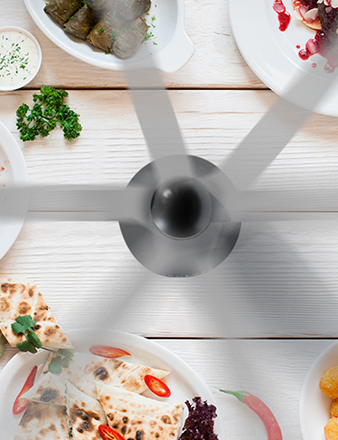
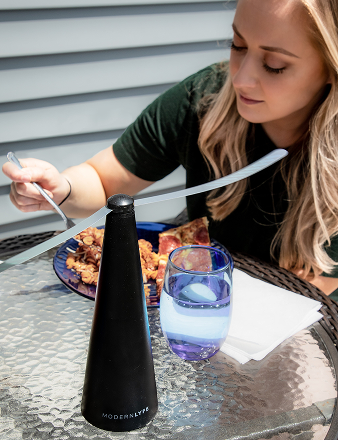
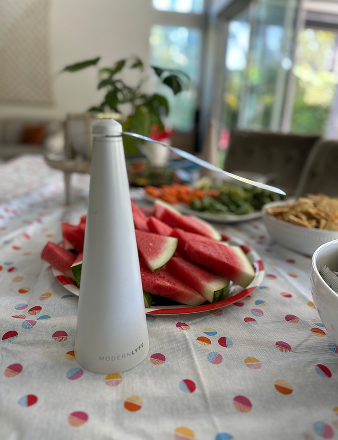
Place monitors using the field-placement guidance where appropriate, then fix the strongest source indicated by the log. If guests need relief beside the table, a small table fan is a non-chemical option. Set it beside plates, never over food, and keep devices away from the buffet line.
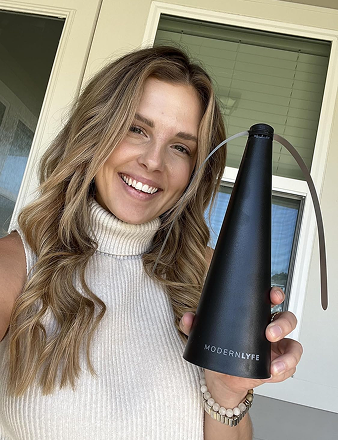
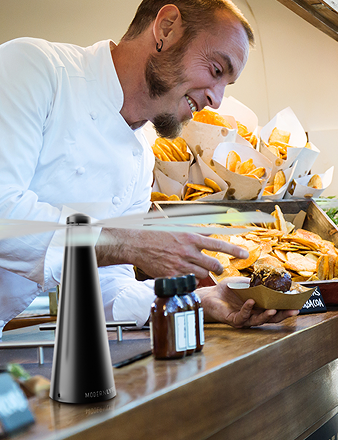
Our Fly Fan for Tables is rechargeable, works indoors and outdoors, and keeps flies and pests away from food. It's intended for outdoor tables, patios, parties, food trucks, and al fresco cafes, and comes with an extended warranty. Use it for dining-area protection while staff address the underlying sources.
Watch the demonstration before planning your tabletop arrangement.
At the scheduled review, look for fewer sightings over food, a named owner beside every unresolved source, and lower catches under comparable weather. If the numbers don't fall, follow the escalation sequence instead of filling the patio with more devices.
We offer table fly fans for practical, non-chemical protection beside outdoor meals and event seating. Visit MODERN LYFE to choose a fan for your dining setup, then pair it with a source-removal plan before your next service.