New York City inspectors found that 10.2% of restaurant violations involved live pest evidence, rising to 18.2% when pest-conducive conditions were included. Effective pest control for restaurants starts with eliminating food, moisture, waste, and entry points, not spraying flies after they reach the dining room.
Those figures change the way owners should view a fly near a pass, a drain that smells sour, or a gap beneath a back door. A visible insect is often the final sign of a problem developing somewhere less visible, such as drain biofilm, wet waste, stagnant water, or an unmanaged delivery entrance. The practical response is a documented prevention program that combines sanitation, exclusion, monitoring, staff reporting, and carefully selected professional support.
Why Pest Control Remains a Major Restaurant Compliance Issue
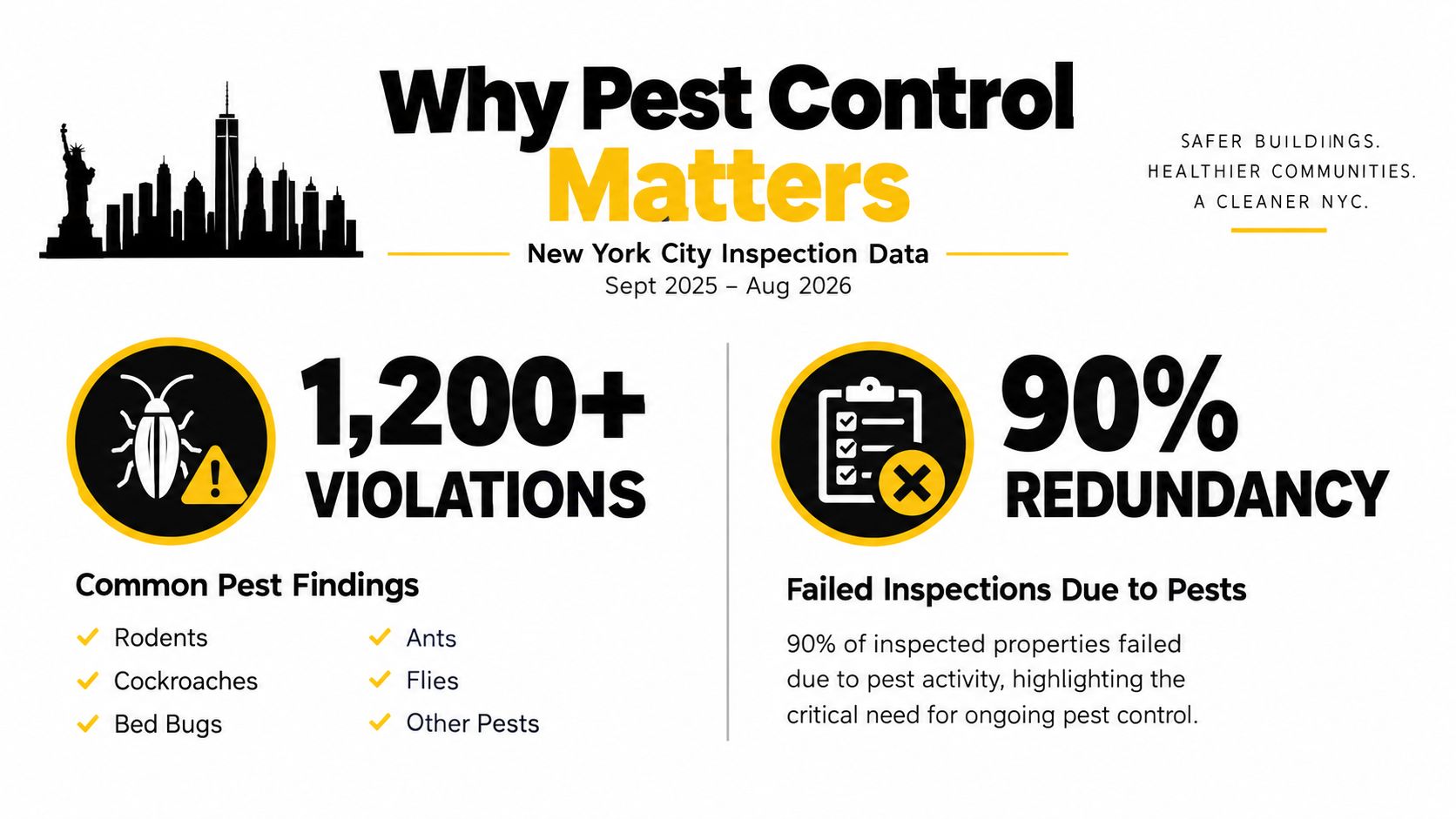
New York City restaurant inspection data from September 2025 through August 2026 recorded 97,038 violations across 27,501 inspections at 20,628 establishments. 9,942 violations, or 10.2%, involved live pest evidence, including mice, rats, roaches, flies, and other nuisance pests. The proportion rose to 18.2% when inspectors also counted conditions that attract or support pests (New York City restaurant pest-control statistics).
A restaurant can have clean dining tables and still present several connected pest risks. A neglected floor drain supplies moisture and organic buildup, a damaged door sweep creates access, and an overflowing outdoor bin offers food. Management may record these as separate maintenance defects. Pests experience them as one route into the building.
The visible pest is rarely the whole problem
Fly activity also tends to be underreported. Operational data cited in this restaurant fly-control guidance found that 50% of respondents had seen pests in restaurants, 95% of those sightings were flies, and 75% of fly sightings were never reported. A missed report means staff may not inspect the nearby drain, waste container, spill, or receiving area while the source remains manageable.
A pest finding can expose a sanitation weakness, structural opening, or monitoring failure. Killing the insect may improve the room briefly, yet the same activity can return if its source remains. Inspection readiness therefore depends on acting on sightings, not merely removing visible pests.
Practical rule: Treat every pest sighting as a prompt to inspect the surrounding environment, not as proof that a spray solved the issue.
Building a Pest Control Program Around Source Elimination
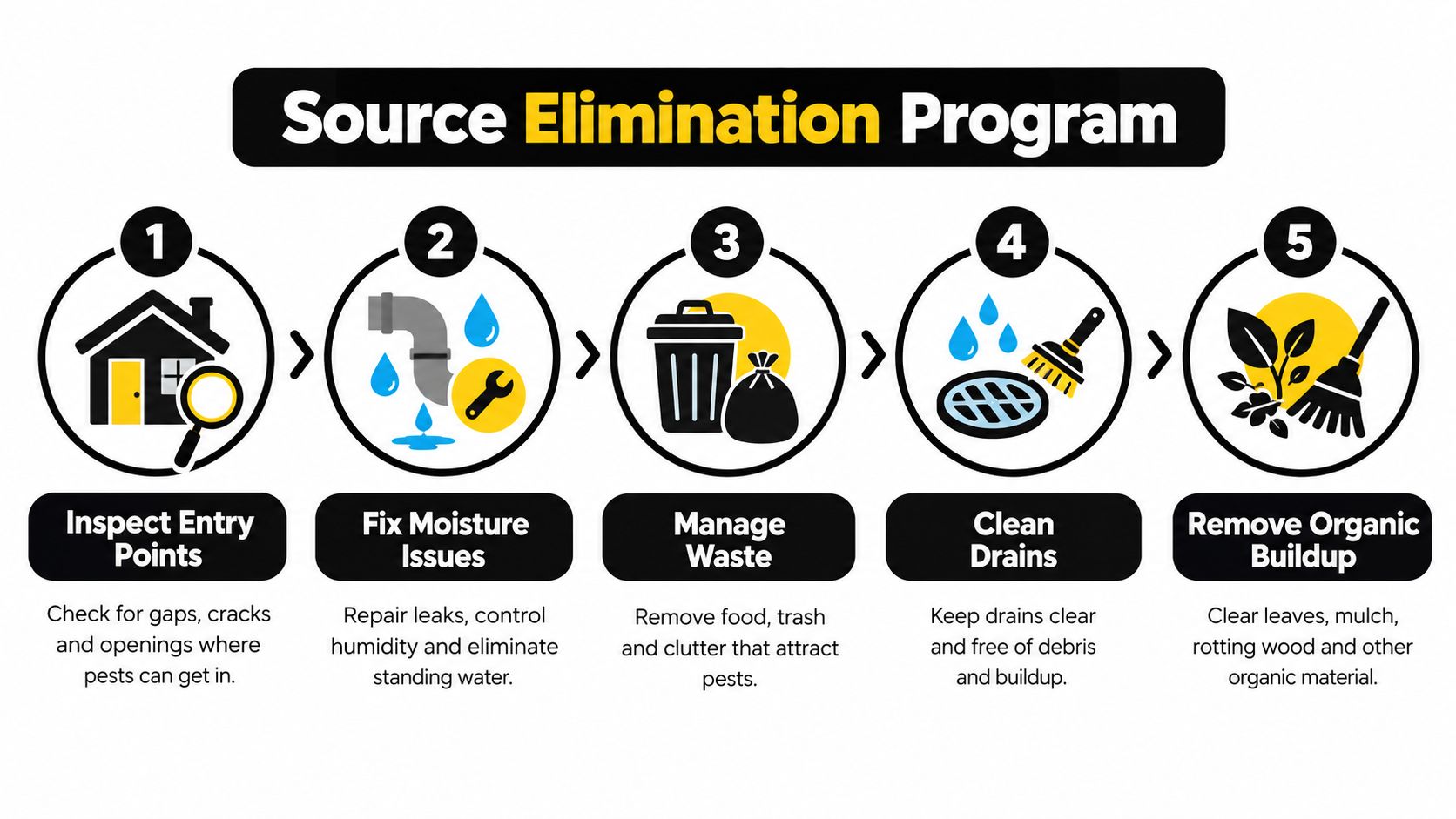
A restaurant should build its program around Integrated Pest Management, or IPM. The order matters. Inspect first, correct the conditions that sustain pests, and use traps or lights as supporting tools rather than the primary answer. A useful overview of the same prevention logic appears in this integrated pest management guide, while facility teams managing broader premises can also consult this Facility Management Insights pest guide.
Follow the inspection sequence
Start with a physical walk-through. Check delivery doors, rear entrances, window screens, utility penetrations, vents, floor-wall joints, drains, waste areas, bar stations, and food storage. Look for moisture, organic buildup, leaks, standing water, damaged seals, and spaces where doors fail to close tightly.
Then remove the conditions that support activity:
- Eliminate food access. Keep ingredients covered, clean spills promptly, and prevent residue from collecting beneath equipment.
- Control moisture. Repair leaks, dry wet areas, and remove stagnant water around sinks, drains, ice equipment, and waste storage.
- Manage waste. Keep lids closed, clean residue from bin surfaces, and prevent waste areas from becoming a secondary food source.
- Clean drains and organic deposits. Drain biofilm and wet food residue can support fly development even when visible surfaces appear clean.
- Close entry routes. Maintain screens, door sweeps, and sealed gaps so insects can't repeatedly re-enter.
Sanitation is fundamental. Guidance for food-service IPM says twice-weekly thorough cleaning of wet organic matter can disrupt the fly life cycle. It also identifies practical exclusion benchmarks, including keeping doors and windows closed, using a 16-mesh screen, and maintaining a door sweep tight enough that a dollar bill can't slide underneath (food-service sanitation and IPM guidance).
Use devices after correcting the source
Fly lights and traps can help locate activity and reduce adult flies, but they won't remove breeding material. A light installed above a dirty drain can create the appearance of action while the underlying population continues to develop.
The strongest sequence is simple: inspect, clean, exclude, monitor, then treat selectively. Reactive killing has a place during an active incident, but it shouldn't substitute for fixing the door, drain, dumpster, or moisture problem that keeps recreating the incident.
Essential Sanitation and Monitoring Practices for Kitchens
A fly sighting is often the final sign of a problem that started out of view. Effective kitchen sanitation therefore depends on finding where food residue, moisture, and waste persist, then assigning someone to correct each condition.
Start with a route-based inspection rather than a general cleaning reminder. Walk through receiving, preparation, service, washing, storage, and waste areas. Record the condition of drains, floor-wall junctions, equipment bases, bin wheels, compactors, mop sinks, and the spaces behind refrigeration. These locations can support fly activity even when customer-facing surfaces look clean.
Give each high-risk area a named owner. The responsible employee should know what to remove, what condition to check, and where to record completion. A useful log might confirm that a drain was scrubbed, a leaking connection was reported, or residue around a waste container was removed. Broad instructions such as “keep the kitchen clean” provide no reliable evidence that the work occurred.
Use monitoring to find the source
Fly lights and sticky monitors are useful for showing where adult activity is concentrated. Place and review them according to the equipment instructions, away from food preparation and areas where fragments could contaminate food. A rising catch count should prompt an inspection of drains, waste handling, deliveries, and damp equipment. The device measures activity. It does not remove breeding material.
Staff reports add information that monitors can miss. Provide one clear reporting method, such as a logbook, shared form, or manager notification. Each entry should state the location, time, pest type if known, and nearby food, water, or waste conditions.
Respond to every report through the same short cycle: inspect the area, remove the attractant, record the correction, and recheck for returning activity. This approach turns isolated sightings into useful operational evidence.
A clean kitchen is not automatically a monitored kitchen. Prevention depends on knowing what was checked, who checked it, and what changed afterward.
Schedule inspections of concealed spaces as well as visible work areas. Look behind equipment, beneath shelving, around delivery points, and beside waste containers. The purpose is practical: identify a maintenance or sanitation failure while the remedy is still simple, before it becomes an inspection finding, food-safety concern, or service disruption.
How to Choose and Work with Pest Control Professionals
A pest-control provider should strengthen prevention, not arrive after a complaint and apply treatment. Ask each candidate how technicians inspect, what evidence they record, how they protect food and equipment, and which corrective actions remain the restaurant's responsibility.
Licensing requires careful checking. Pest-control applicator certification and licensing are controlled by states, while cities and counties may add their own requirements. Confirm that the provider meets both state standards and local rules, as outlined in this food-handling pest-management guidance.

Evaluate the proposal, not just the price
A useful proposal should specify inspection areas, monitoring devices, sanitation duties, exclusion repairs, reporting procedures, and follow-up expectations. It should separate the technician's work from the changes the restaurant team must make.
Prioritize records that show findings and corrective actions over generic statements that service was completed. Ask whether the technician will assess drains, waste handling, door seals, receiving practices, and moisture sources. A plan centered on chemical application leaves the breeding conditions unresolved, especially with flies.
Set communication rules before service begins. Name the person who receives reports, define how urgent findings are escalated, identify where records are stored, and clarify how the provider works with the kitchen manager and maintenance team. Clear ownership lets both sides respond quickly while protecting food handling.
Avoid unsafe shortcuts
Fly sprays near food or preparation areas can create chemical contamination risks without eliminating the breeding source. Treatment should follow the provider's approved procedures, with exposed food protected and application kept away from food-contact risks. Drain cleaning, waste control, and moisture correction still address the conditions supporting fly activity.
A dependable provider explains the cause, documents the remedy, and gives the restaurant specific follow-up actions. Operators can also review this resource on dependable pest control when assessing what reliable service should include. The goal is a documented prevention partnership, not temporary relief after each sighting.
Understanding Food Safety Regulations and Inspection Readiness
Inspection readiness depends on controlling pest access and documenting that control. FDA Food Code Section 6-501.111 requires food establishments to prevent pests from entering and to control insects, rodents, and other pests. It also prohibits live animals in food preparation, storage, and ware-washing areas, subject to limited exemptions. Managers should verify the applicable code through the official FDA Food Code document and local enforcement requirements.
A clean inspection outcome is not proof that the program works. Inspectors may find conditions that support pests even when no mouse or fly is visible. Door gaps, unsanitary drains, waste buildup, and standing moisture can all undermine compliance.
Make inspection evidence usable
Keep service reports, pest sighting logs, corrective-action records, sanitation schedules, maintenance tickets, and follow-up notes together. Each entry should state:
- What was found
- Where it was found
- What action was taken
- Who confirmed correction
Use these records to show a continuing control process rather than a series of emergency treatments. Industry guidance recommends at least quarterly pest-management inspections, with more frequent internal checks where the building layout, operating conditions, or fly activity creates greater risk (FDA Food Code pest-control guidance).
Put recurring findings on the management agenda
Repeated findings at a rear door, drain, or waste station need a permanent sanitation or maintenance fix. Closing the same service ticket after each treatment leaves the source in place and creates a weak inspection record. Review trends with the kitchen manager and assign a named owner and completion date.
Training gives managers another way to demonstrate control. A structured option such as find a food safety supervisor course can help clarify responsibility for daily checks and escalation. Managers can also use this restaurant health-code violations guide to organize internal reviews. An inspection-ready team can explain its controls, show corrective evidence, and identify the next action without relying only on a vendor invoice.
Training Staff to Spot and Report Pest Risks Early
A fly near a food display, a damaged door seal, or residue beneath a sink can provide the first warning of a larger control failure. Staff training should therefore focus on three actions: recognize the sign, report its exact location, and protect food or the work area immediately when needed.
Underreported fly activity deserves particular attention. Food-service research identifies improper sanitation as a leading driver of fly infestations, making source elimination more useful than repeatedly killing visible insects (research on pest management in food-service environments). Employees do not need to identify the fly species. They need to notice conditions that allow flies to feed, breed, or enter.
During normal service, staff should watch for:
- Insect activity: Flies around drains, waste lids, bar stations, windows, or food displays.
- Moisture clues: Leaks, standing water, damp cloths, condensation, or wet floor edges.
- Entry-point defects: Torn screens, open receiving doors, damaged sweeps, or gaps around pipes.
- Sanitation failures: Food residue beneath equipment, overflowing waste, dirty drain covers, or spills left after service.
- Unusual evidence: Droppings, gnawing, pest remains, or odors in storage and utility areas.
Reports should name the location and condition, not state that “there are flies.” The designated manager can then isolate exposed food when appropriate, arrange cleaning or maintenance, and decide whether professional inspection is required.
Build these observations into opening, closing, and shift-handover routines. A short checklist can cover drains, waste areas, receiving doors, food displays, and damp equipment spaces. Keep dry goods sealed, remove spills promptly, close waste containers, and avoid propping doors open.
Managers also need to respond without blame. Staff who expect criticism may ignore a single fly or minor leak until repeated activity becomes an inspection issue. Use team meetings to review real locations, such as the rear receiving door or the drain beside the bar, and explain what action followed each report. Reporting then becomes ordinary food-safety work, while recurring signs point management toward the source that requires correction.
Frequently Asked Questions About Restaurant Pest Control
How often should a restaurant schedule professional inspections?
Schedule professional inspections at least quarterly, as recommended by commercial kitchen pest-control guidance. Increase attention when staff reports activity, conditions change, or moisture and waste problems persist. Inspection frequency should reflect site risk, not a calendar alone.
What records should managers keep?
Keep service reports, sighting logs, sanitation checks, maintenance corrections, and follow-up verification together. Each record should identify the location, finding, action taken, and responsible person. Clear records show whether a recurring issue was corrected or merely treated.
Should a restaurant use fly spray near food preparation?
Do not use fly spray near food preparation. Restaurant fly-control guidance warns of chemical contamination concerns and untreated sources. Address sanitation and entry conditions first, then use approved monitoring or treatment methods through a qualified professional.
When should management escalate?
Escalate when activity returns after cleaning, sightings repeat, evidence appears near food or storage, or the source remains unclear. A professional should inspect the full environment, not only the spot where a fly appeared.
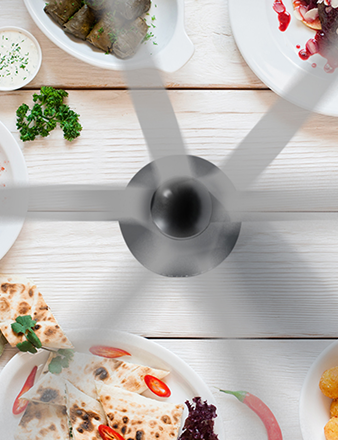
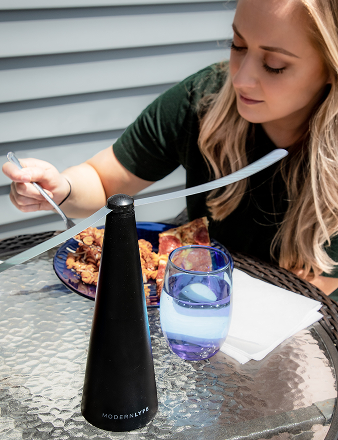
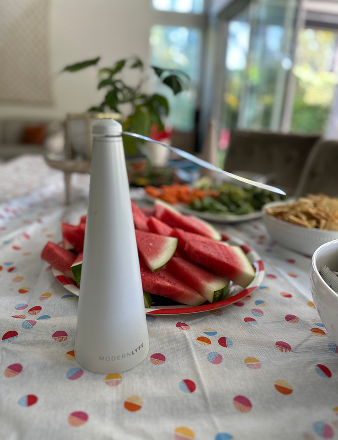
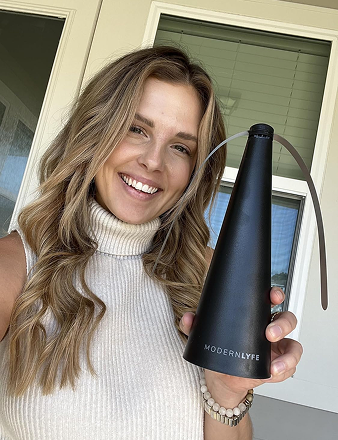
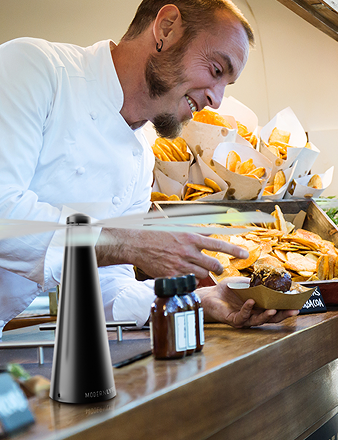
MODERN LYFE offers quiet, battery-operated fly fans for tables, buffet lines, serving stations, and hospitality areas. See the available options at MODERN LYFE as a non-chemical layer alongside sanitation and exclusion.