You can smell the problem before you see it, the buffet line is warm, the patio doors keep opening, and flies have found the sweet spots near the fruit, the bins, and the pet area. That's when bad advice becomes expensive fast. Pet safe fly control isn't a bottle you buy once, it's a way of running a space so flies lose the food, the breeding sites, and the landing zones they're counting on.
The mistake I see most often is people starting with a spray. That's backward. If you're managing a home patio, a restaurant terrace, or a catered event, the right move is to audit the pressure first, then build a layered plan that keeps pets out of the hazard zone and keeps service moving.
How to Audit Fly Pressure Before You Buy Anything
Start with the same walk I'd do before a Friday night service. Move slowly, stand where guests stand, and look for the places flies can feed, breed, or rest. Don't guess. A fly problem is usually a site problem, and if you skip the diagnosis you end up buying the wrong fix.
Walk the space like a manager, not a shopper
Check the entry points first, because flies don't need an invitation. Doors that stick open, torn screens, unsealed gaps around utility lines, and uncovered service windows all matter. Then move to the attraction sources, which are usually more obvious than people want to admit. Food stations, pet bowls, garbage cans, compost, and spill zones draw flies fast.
Practical rule: if a spot gets food, moisture, or organic waste, treat it as fly territory until you prove otherwise.
Then hit the sanitation hotspots. Look under prep tables, behind bins, around drains, and in any corner where damp debris collects. In hospitality, the hidden mess is usually the problem, not the visible insect. The goal is to find the two or three changes that will do the most work, not to create a long shopping list.
The business case is simple. A major global survey found 83% of pet owners consider flea and tick treatment a key part of pet care, and 51% of dog owners reported at least one or two flea or tick issues worldwide, while 66% of outdoor cat owners and 43% of exclusively indoor cat owners reported a flea or tick issue; in the UK, 86.1% of dog owners and 91.1% of cat owners reported treatment in the prior 12 months Merck Animal Health survey. That doesn't make fly control the same problem, but it does show how tightly pet-related prevention depends on routine, not one-off fixes.

Score the problem before you spend
Use a simple internal score. Give each zone a high, medium, or low rating based on how often flies land there and how close pets or guests get to it. A pet bowl next to a back door gets a higher risk score than a screened window nobody opens. A compost bin beside a patio line is more serious than one sealed far from traffic.
The fastest win is usually not a product. It's removing the thing flies are already using.
If you find active breeding material, stop thinking about repellents and start thinking about cleanup and containment. The stuff that fails most often is the thing people hope will work without changing the site. That's not a control plan, that's wishful spending.
Building the Pet Safe IPM Stack in the Right Order
The right order is essential. Source reduction first, trapping second, targeted treatment last. That's the backbone of a real pet safe fly control program, and it's the same logic behind integrated pest management in general, which focuses on making the environment less hospitable before applying chemicals. See the fuller framework in this overview of integrated pest management.
Start with the source, not the symptom
If food waste, pet waste, or damp organic debris stays in place, adult flies keep coming back. That's why sanitation and breeding-site removal are the foundation. Adult suppression alone is temporary when the source remains active. In hospitality, that means waste cycling, cleanup discipline, and closing the gaps where residues build up.
Traps come next because they reduce visible pressure without blanketing the space in residue. Sticky boards, contained electric traps, and baited units have a place when they're positioned correctly and serviced on schedule. The main job is to pull flies away from food and pet zones, not to pretend the room is sterile.
Targeted residual treatment is the final layer, not the opening move. Use it only when the site still needs it, and keep it off food-contact areas. Extension guidance for outdoor fly control says treated surfaces should be dry before pets or guests return, which is exactly the standard you want in mixed-use spaces.
A strong IPM stack also matches what the animal-health market has learned for years. Veterinary efficacy studies show modern parasite-control products can deliver sustained reductions over time, and veterinarians advising fluralaner use often prefer longer-duration protection because it's easier for owners to maintain PubMed clinical study. The operational lesson is obvious, long-term control beats frantic repeat work.
What gets skipped and what breaks
Skip source reduction and traps get overwhelmed. Skip trapping and you keep flies landing on food while you wait for cleanup to do all the work. Skip targeted treatment when the site still has pressure, and staff start improvising with random sprays.
Use the least disruptive layer that actually solves the problem, then move up only if the site proves it needs more.
That's the cleanest way to protect pets, protect food service, and avoid turning a fly nuisance into a chemical exposure issue.
Non-Toxic Traps, Botanical Repellents, and Sticky Boards That Actually Work
Most “natural” fly products fall into two camps, useful or decorative. If you're running service, you need the first kind. In a home, a decorative product can be tolerable. On a patio with guests and plates, it's dead weight.
Compare by setting, not by marketing
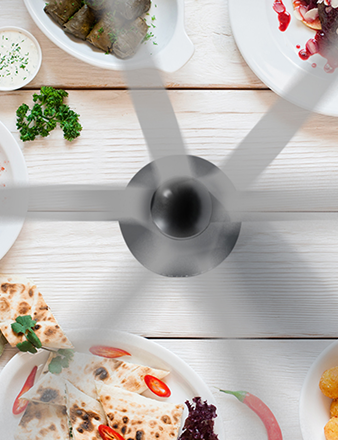
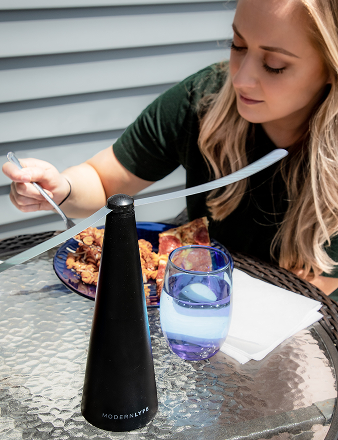
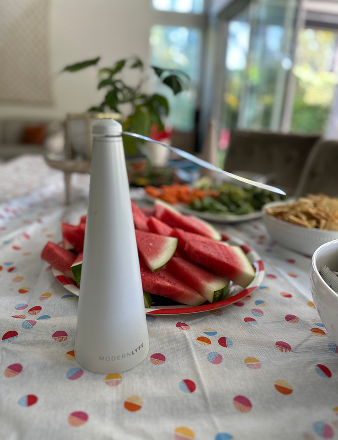
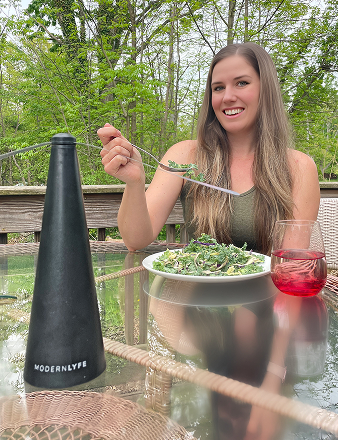
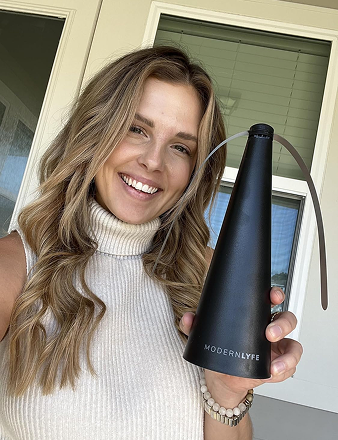
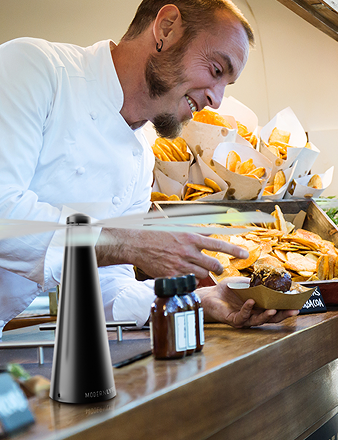
The best contained option for many interiors is a pet-friendly flying insect trap that uses light and adhesive, because it doesn't rely on loose spray drift. One example is the MODERN LYFE Fly Fan, a tabletop fly-repelling fan used around food service tables, which fits the category of a physical deterrent rather than a chemical one. For full product selection, the question isn't whether something is marketed as gentle, it's whether it stays out of reach, catches flies consistently, and doesn't interfere with guests.
For indoor placement, trap hygiene matters. One guide recommends keeping traps out of pets' reach, placing electric units vertically, positioning sticky boards on a raised shelf, and replacing glue boards every 1 to 2 weeks or sooner if full WowCatch fly control guidance. That's the sort of maintenance cadence people skip, then blame the product.
| Method | Best Setting | Typical Effectiveness | Pet-Safety Note |
|---|---|---|---|
| Sticky boards | Back rooms, garages, service corridors | Good for monitoring and capture when maintained | Keep elevated and away from curious paws |
| Contained electric traps | Indoor service areas, prep-adjacent spaces | Strong for steady background capture | Plug vertically and keep out of reach |
| Baited traps | Exterior nuisance zones, away from dining | Can cut pressure when source control is already working | Keep well away from pets and food |
| Botanical sprays | Limited home use, spot deterrence | Variable, and usually short-lived | Mixed-pet homes need extra caution |
| Fly fans | Patios, buffet lines, tables | Works as a deterrent at point of service | Best when placed directly at food zones, not on the floor |
Don't let “natural” become sloppy
Botanical repellents sound good, but they're not a free pass. If a product can drift, be licked, or land on a surface pets use, it belongs under species-specific review, not generic labeling. For hospitality, I'd rather see a contained trap and good airflow than a misty bottle of uncertain value.
Fans, Airflow, and Physical Barriers on Real Layouts
Airflow is the most underrated tool in fly control because it changes the room without changing the chemistry. Flies hate moving air, and people do better in it too. That makes fans a smart first line for patios, cocktail setups, and buffet edges where you don't want broad insecticide exposure.
Put the air where the food is
On a buffet, aim the airflow across the food line, not into guests' faces. A fly fan should sit near the food station where flies are trying to land, not on the floor where it just moves dust. In a long service line, I'd rather see multiple smaller units creating overlapping coverage than one weak fan at one end doing nothing by the chafing dish.
Screens and enclosures still matter more than people admit. A screened tent or zippered barrier can outperform a loose fan setup when the site is exposed, especially during events with changing foot traffic. For food truck windows and temporary service points, the physical barrier is the control, and the fan just adds pressure where the opening remains active. For a broader example of real-world use, see real-world performance.
Practical rule: if guests can walk through the fly path, the fly path is still open.
Match the barrier to the layout
Use screened enclosures when the space allows it. Use fans when you need visibility, easy setup, and a low-profile deterrent at the table or line. Use both when the site is stubborn.
For outdoor dining, the old advice still holds up. Extension guidance says to apply residual spray only to the point of runoff on fly-resting surfaces, and to remove picnic tables, benches, chairs, and pets until the spray is dry Purdue Extension fly control guidance. That's the standard, keep exposure controlled and keep the air moving.
The main mistake is treating airflow like a substitute for sanitation. It isn't. Airflow buys time and reduces landings, but if the bins are open and the food residue is sloppy, the flies will keep coming back after sunset.
The Cat Safety Gap Most Pet Safe Labels Ignore
A generic pet safe label is not enough when cats are in the building. Cats are not small dogs, and fly-control guidance often blurs that line. In mixed-pet homes and hospitality spaces, the question is not whether a product sounds friendly, it is whether it is safe for the species present.
Read the label for species, not sentiment
Some fly repellents used around dogs should not be used on or near cats. A neutral industry source warns that certain fly-repellent products can be fatal to cats, which makes the difference clear in shared households and cat-friendly patios Lambert Vet Supply guidance. Staff and homeowners need to treat that as a hard stop.
Cats also create a different exposure pattern. They rub on surfaces, groom themselves constantly, and reach places dogs do not. A spray that looks harmless on paper can become a problem if it lands on a wall edge, a mat, or a baseboard a cat will contact later. If you do not know what pets are present, default to the stricter standard.

Use the safest category first
In mixed-pet spaces, physical barriers, contained traps, and controlled airflow beat broad botanical sprays. If you need a screen solution for doors or patio access, a tear-resistant screen for pets can help keep openings sealed while reducing the chance that a curious cat or dog pushes through a weak barrier. That is a better fit than a vague “pet-safe” promise that does not name the species it was tested around.
For teams that want a practical standard, keep the control method tied to the animal risk and the service flow. Pet-safe fly control guidance for hospitality settings needs to stay specific about what touches cats, what sits near food, and what belongs only in dog-only areas. A clean way to brief staff is to align the product choice with the animal profile first, then check the placement against food service hygiene standards.
The rule is simple. If the product cannot clearly explain cat compatibility, it does not belong near cats.
Sanitation Protocols That Hold Up Through Service
Sanitation is what keeps the rest of the plan working. If the line is clean at open but sloppy by midservice, flies find it before staff do. In hospitality, source reduction has to run on a schedule, not on memory.
Build it into the shift
Before opening, clear food residue, sanitize prep-adjacent surfaces, and pull waste bins into a checked, closed position. Two hours before service is a useful checkpoint because it gives the team time to fix whatever the night crew missed. During service, keep the reset cycle short. Every 45 minutes, a lead should check spills, bin lids, pet bowl placement, and any damp corners around the line. Follow established food service hygiene standards so bins stay closed and surfaces stay sanitized.
At breakdown, do not leave the mess for tomorrow. Empty waste, wipe the surfaces that held food, and remove anything that can ferment overnight. Patios and catering tents need tighter control because wind, crumbs, and guest traffic create small residues that build fast.
Use the same discipline indoors and outside
Pet bowls should never sit beside food displays or open waste. If a pet area is part of a home or venue, separate it physically from the service zone and keep the bowls clean and dry. Drainage matters too, because damp organic material is fly fuel even when the room looks tidy.
The cleanest service line is the one that does not give flies a reason to return after the music stops.
If you are handing this off to a host, manager, or lead server, keep it blunt. Check the bins. Check the floor edges. Check the bowls. Then check again before the next rush. That is the routine, and it works.
Monitoring Performance and Troubleshooting the Three Most Common Breakdowns
A fly program doesn't fail all at once. It slips. One fan gets moved, one bin gets left open, one “pet-safe” spray gets used in the wrong place, and suddenly the whole line feels sloppy. Monitoring has to be light, fast, and honest.
Watch the site, not your assumptions
Count visible landings at the same hotspots each service period. If the same surface keeps drawing flies, that's your signal that the site still has a food, moisture, or access problem. Track what changed before the spike, because flies usually respond to a missed task, not bad luck.
The three breakdowns I see most often are easy to name.
- One tactic doing all the work: If you're relying only on fans or only on traps, you're underbuilding the program. Source reduction has to stay in place or the pressure comes back.
- Spraying near pet-accessible surfaces: “Pet-safe” can get sloppy. Keep treated areas dry, keep pets out until surfaces are fully dry, and don't spray where cats or dogs will touch it.
- Missed breeding reservoirs: Trash corners, damp debris, and forgotten organic waste turn a quiet problem into a repeat problem. If flies keep coming back after cleanup, look harder, not wider.
Use the reset triggers
If flies increase near the buffet, check the airflow first, then the sanitation schedule, then the waste path. If they show up near pet areas, move the bowls and inspect the floor edges. If they cluster at one doorway, the entry point is still open.
Stop treating “pet safe” as a one-time product choice. It's an operating discipline. Use source reduction, then trapping, then targeted treatment only if needed, and keep cat safety stricter than dog safety when you don't have a clear species-specific label.
If you want cleaner patios, calmer buffets, and fewer last-minute fly panics, Modern Lyfe builds fly fan solutions for food service and event setups that need practical control without clutter. Visit MODERN LYFE to compare options for tables, buffets, and outdoor service areas, then put the right gear into your workflow before the next busy night hits.