You've probably had this moment already. Service is running smoothly, the lighting is right, the plates look sharp, and then a couple of flies start circling the appetizer station or hovering over a patio cocktail. Guests notice fast. Staff notices faster. Suddenly a small pest issue turns into a cleanliness issue in the customer's mind.
That's why so many owners search for plugins to keep bugs away. The appeal is obvious. Plug something into the wall, let it run, and move on with the day. In hospitality, though, pest control doesn't get judged by convenience. It gets judged by what guests see, what lands near food, and whether the fix works during service.
A lot of products promise that easy answer. Many don't hold up where restaurants, hotels, caterers, and event teams need them most.
Why "Set and Forget" Pest Control Fails Hospitality
Friday at 7:30 p.m., the dining room is full, the patio is booked, and a few flies start working the edge of the garnish station. Someone plugs in a repeller near the service door because it feels like quick action. In a hospitality setting, that usually buys reassurance, not control.
I see this mistake often. Owners want a low-labor fix for a problem that changes by the hour. Pest pressure rises with open doors, spilled syrup, drain moisture, patio traffic, delivery schedules, and weather shifts. A device that depends on still air and ideal placement struggles in a restaurant, bar, hotel breakfast area, or banquet setup.
That matters because guests do not grade pest control on intention. They grade it on what they see near food, drinks, and tables.
Hospitality needs active control
A plug-in can have a role in a small, defined area. It is rarely enough on its own in active service zones. That is the gap behind many searches for a fly repeller plug-in for restaurant and hospitality use. The product category sounds simple. The operating reality is not.
The true cost is not the purchase price. It is the time lost while staff assumes the issue is covered, even though flies are still reaching guest-facing areas. During that delay, comments get made, photos get taken, and one minor pest problem starts reading like a sanitation problem.
Why the "set and forget" approach breaks down
Hospitality spaces are dynamic. Airflow changes every time the front door opens. Staff carry product from prep to expo to floor. Sweet residue builds up around soda guns, bar mats, and bussing stations faster than many teams realize. Patio and entry points pull insects toward the same areas where guests linger.
Products that rely on vague repelling claims tend to fail first in those conditions, especially the devices marketed as broad solutions for "all kinds of pests." In practice, you need control at the source and interception near the activity, not a wall device placed wherever an outlet happens to be open.
A simple field rule helps: if a product cannot keep up with traffic, food odors, and shifting air, it is a weak fit for hospitality.
Where owners waste money
The waste usually shows up in three places:
- Visible but poorly placed devices: The unit sits in guest view, but the primary breeding or entry point is a drain area, back door, host stand, or patio threshold.
- Mismatch between claim and pest: The packaging promises coverage for insects in general, while the actual problem is small flying insects around food, fruit, or moisture.
- Reduced staff urgency: Once a plug-in goes into the outlet, cleaning, exclusion, and trap checks often get less attention than they should.
Mechanical capture tools and monitored traps usually give operators a clearer read on whether pressure is improving. If you are comparing a passive plug-in to a device that catches insects, the BugMD Zapville guide shows the kind of setup and maintenance questions operators should be asking before they spend more money.
The bottom line is simple. Hospitality pest control cannot run on hope, marketing claims, or a device everyone forgets until a guest points out a fly. It works when the method matches the pest, the layout, and the pace of service.
Decoding Plug-In Pest Control Technologies
Before writing off the whole category, it helps to separate the products that all get lumped together as “plug-ins.” They don't work the same way, and they don't fail the same way.

The four main types
Some devices release an active ingredient. Others try to repel pests with sound, heat, light, or scent. If you're comparing plugins to keep bugs away, these are the main categories you'll run into.
| Technology Type | How It Works | Primary Target Pests |
|---|---|---|
| Chemical diffusers | Heat or vapor releases an insect-repelling ingredient into nearby air | Mosquitoes and some biting insects |
| Ultrasonic or electromagnetic repellers | Emits sound waves or electrical-field claims intended to make spaces uncomfortable for pests | Broadly marketed for rodents and insects |
| Ionic or heat traps | Uses light, warmth, or attraction cues to draw insects into a trap area | Small flying insects in contained areas |
| Scent diffusers | Releases smells pests are supposed to avoid | Varies by formulation and target pest |
Chemical diffusers
These are the closest thing to a traditional repellent in plug-in form. Think of them as a wall outlet version of a vapor-based deterrent. Instead of spraying a space, they release an active ingredient over time.
They can make sense in certain non-food, controlled settings. Guest rooms, enclosed waiting areas, or residential patios are one thing. Open dining rooms, buffet lines, and exposed food zones are another. In hospitality, anything airborne near service areas needs a harder safety review than consumer marketing usually suggests.
Ultrasonic and electromagnetic devices
These are the devices many homeowners picture first. They're sold as silent, clean, modern tools that pests supposedly hate. The basic pitch is simple. Plug it in, and the device creates an invisible signal that drives bugs away.
It sounds elegant. That's part of the problem.
A useful way to think about it is this: the product is selling the idea of a silent alarm that only pests can hear. If the target pest ignores the alarm, nothing meaningful happens. If the pest adapts quickly, nothing meaningful happens. If the environment is open and dynamic, the claim gets even weaker.
For a broader view of how one electric insect-control product is positioned and used, the BugMD Zapville guide is worth reviewing because it shows the kind of setup expectations these products often come with.
Ionic and heat traps
These are less about repelling and more about attracting. Some use light. Some use warmth. Some rely on sticky capture or internal collection. In the right indoor location, they can help with small flying insects.
That said, owners should judge them by placement. If a trap is visible to guests near a pastry case or drinks station, it can create the exact impression you're trying to avoid. A device can be technically functional and still be a poor hospitality choice if it telegraphs “we have a bug problem” to every table that walks by.
Scent-based plug-ins
These products rely on odors insects are meant to avoid. Sometimes they use fragrance-like formulas. Sometimes they mimic botanical deterrents. They're usually positioned as gentler options.
In practice, scent introduces its own trade-off. Restaurants and event venues already work hard to control the smell environment. You don't want a repellent fragrance competing with plated food, wine service, or the sensory profile of the room.
For a breakdown focused specifically on a hospitality-use case, this article on fly repeller plug in options is useful because it frames the decision around real service environments rather than generic home use.
The Hard Truth About Plug-In Effectiveness
It usually starts the same way. A restaurant owner plugs a device into an outlet near the host stand or service station, sees a glowing light, and assumes the problem is being handled. Then Friday dinner hits, the patio door keeps opening, dessert plates start landing, and the flies are still doing laps around guests.
That gap between marketing and performance is biggest with ultrasonic and electromagnetic plug-ins. They sell well because they feel tidy, quiet, and low-effort. In actual hospitality spaces, they often buy false confidence more than real control.
Published research on commercial ultrasonic repellers has repeatedly failed to show dependable pest reduction under practical conditions. That matches what pest professionals see in restaurants, bars, and event venues. The unit stays plugged in. The pest pressure stays largely the same.
Why hospitality exposes weak products fast
A dining room is a stress test. Doors open every few minutes. Deliveries come through the back. Staff move constantly between prep, service, and waste areas. Food odors, moisture, and warmth keep attracting insects whether a plug-in is on or not.
That is why weak tools fall apart so quickly in this setting.
If your main issue is flies near guests or food, ultrasonic devices are usually the wrong purchase. They do not intercept the pest. They do not remove the breeding source. They do not stop entry. At best, they give the team one more reason to assume the issue is covered when it is not. That kind of false assurance can leave you exposed to the same sanitation mistakes that lead to restaurant health code violations.
“Some effect” is not the same as service-grade control
Owners sometimes report that a plug-in seemed to help in a quiet office, a storage corner, or for a few days after installation. That does not mean it will protect a live food business during peak service.
The standard in hospitality is simple:
- Does it reduce pest activity where guests notice it
- Does it keep working during traffic, door movement, and active service
- Does it hold up in semi-open areas like patios, bars, and buffet rooms
- Does it solve the problem without creating a presentation issue or distracting staff from real controls
With ultrasonic plug-ins, the answer is too often no.
Mechanical devices deserve a more serious look than they usually get. Sticky traps, concealed light traps, door control hardware, drain management tools, and targeted monitoring are less exciting on a package. They are also much closer to what works in the field. They catch, measure, and reduce pests in a way staff can verify.
That is the hard truth. The plug-in category is full of products that are easy to buy, easy to install, and hard to justify once guest experience, sanitation, and repeat performance become the defining standard.
Safety And Regulations In Hospitality Spaces
A busy Saturday dinner service is the wrong time to discover that a cheap plug-in is warming an overloaded outlet behind the host stand, throwing off a chemical scent near the bar, or doing nothing while flies keep showing up in guest areas. In hospitality, pest devices have to meet a higher standard than “easy to buy.”

Food-adjacent use is where mistakes happen
The biggest safety errors usually happen in spaces that feel convenient. Outlet near the pastry case. Plug near the self-serve drink station. Device tucked behind a buffet skirt where nobody has to look at it. Those are also the places where food exposure, guest visibility, and inspector scrutiny matter most.
Chemical plug-ins deserve extra caution. If a unit disperses anything into the air, staff need to know where that air moves, whether exposed food is nearby, and whether the product is even appropriate for that setting. A product sold for home use is not automatically a smart fit for a dining room, bar, breakfast station, or open prep area.
Ultrasonic units avoid the residue question, but they create a different operational risk. If a manager believes the device is handling the problem, basic controls often slip. Missed drain cleaning, propped-open doors, sloppy trash habits, and weak receiving checks cause far more trouble than owners want to admit. That kind of shortcut thinking is how small issues turn into restaurant health code violations.
Electrical safety is still part of pest control
Any plug-in device in a restaurant should be treated as commercial electrical equipment. Check certification marks. Check the outlet condition. Check whether staff have daisy-chained power strips in a service corridor because there were not enough receptacles where someone wanted the device.
Cheap plug-ins are often a bad bargain.
They can loosen in worn outlets, get knocked loose during cleaning, block adjacent receptacles, or add clutter in spaces that already have coffee equipment, POS hardware, chargers, and small appliances fighting for power. In older buildings, I would rather see fewer devices and better placement than a patchwork of bargain units plugged in wherever an outlet happens to be open.
Compliance and guest perception
Health inspectors are not grading you on marketing claims from the box. They are looking at sanitation, storage, food protection, and whether your control methods make sense for the hazard.
Guests are doing their own inspection too. A visible gadget near a condiment station, a perfumed repellent near plated food, or an insect light mounted where people can see catch trays all change how clean the operation feels. Even a device that is technically allowed can be the wrong choice if it creates doubt.
That is why the safer answer in hospitality is often less flashy. Concealed glue boards in monitored locations, discreet fly lights placed away from guest sightlines, door sweeps, drain maintenance tools, and documented service checks usually create fewer compliance headaches than consumer plug-ins.
Use this checklist before putting any device into service:
- Check placement: Keep devices away from exposed food, plating lines, beverage garnishes, and food-contact surfaces.
- Confirm electrical safety: Use intact outlets, avoid overloaded strips, and replace damaged or loose-fitting units.
- Review the label and intended setting: Home-use packaging is not enough. Make sure the product fits your actual environment.
- Consider guest sightlines: If a guest can see it easily, decide whether it supports or hurts the impression of cleanliness.
- Match the tool to the pest and area: Flies at a patio door, roaches near drains, and stored-product pests in dry storage need different controls.
- Require a sanitation backstop: No device should be allowed to replace cleaning, exclusion, waste handling, and inspection routines.
Weighing Plug-In Pros And Cons For Your Business
Restaurant owners don't need a lab report. They need a decision that works during service, protects presentation, and doesn't create extra headaches for staff.

What business owners like about plug-ins
The appeal is real. Plug-ins are popular because they solve a staffing and simplicity problem.
- Easy setup: Staff can install them without a service call or special training.
- Low day-to-day effort: Once in place, many units require little attention beyond checking power or replacing cartridges.
- Discrete footprint: Some models stay out of the way better than sprays, hanging traps, or countertop gadgets.
For a manager already juggling labor, deliveries, prep, and service, that simplicity matters.
Where the business case weakens
Ease of use isn't the same as effectiveness. In hospitality, a product has to hold up under pressure, not just sit in an outlet.
Here are the trade-offs that matter most:
| Factor | Potential Advantage | Common Drawback |
|---|---|---|
| Installation | Fast and simple | Fast setup can hide poor fit for the actual pest issue |
| Maintenance | Often minimal | Cartridges, replacement units, or cleaning still create recurring tasks |
| Guest perception | Some units are unobtrusive | Visible traps or odd devices can signal a pest problem |
| Coverage | Useful in small, contained spots | Weak in open, high-traffic, or food-heavy areas |
| Safety profile | Some options avoid sprays | “Chemical-free” doesn't automatically mean effective or appropriate |
Key takeaway: In hospitality, the best pest product isn't the one that asks the least of your staff. It's the one guests never have to notice.
A practical scoring method
When I evaluate a product category for restaurants and events, I use a simple operator test. Not a technical test. An operator test.
Ask five questions:
- Does it work where guests sit and eat
- Will staff maintain it correctly without reminders
- Does it avoid adding odor, clutter, or visual noise
- Does it fit health and safety expectations
- Would you still trust it on your busiest night
If a device fails two or three of those questions, it usually doesn't belong in front-of-house. Many plug-ins score well on convenience and poorly on live performance.
That's why operators often end up combining them with stronger sanitation, tighter door management, and more visible physical deterrents anyway. Once you're doing that, it's worth asking whether the plug-in is helping or just occupying an outlet.
Smarter Alternatives That Actually Work
Friday dinner starts in twenty minutes. The patio is set, drinks are garnished, and a few flies have already found the garnish station. That is the moment a plug-in stops being a theory and starts being a liability. In live service, the better answer is usually a mechanical control you can aim at the problem area and judge with your own eyes.

Why physical airflow makes more sense
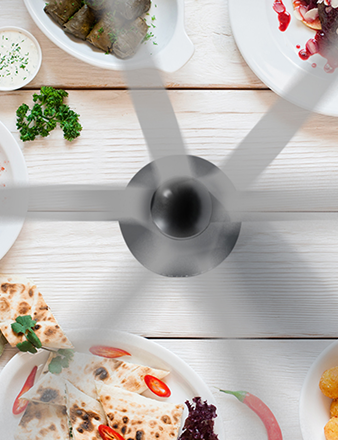
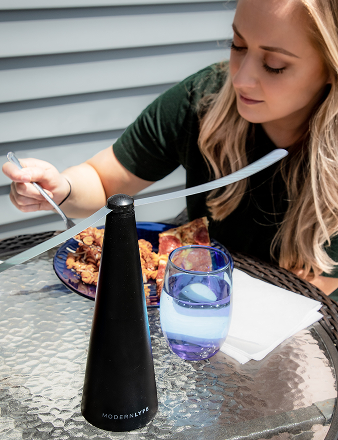
For flies around food, localized airflow is one of the few front-of-house tools that matches how service works. A fan does not rely on a pest reacting to a signal that may or may not matter in a noisy, humid, high-traffic room. It changes the conditions right where insects are trying to land.
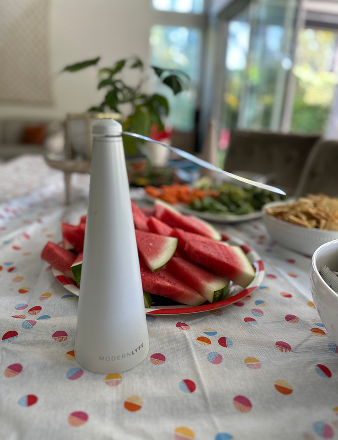
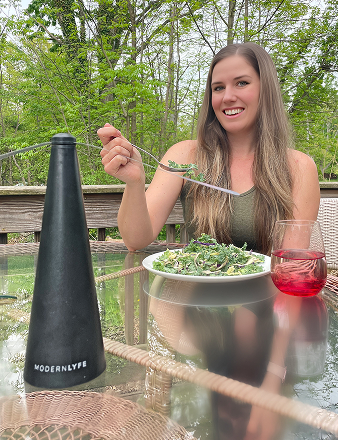
That matters at buffet edges, host stands, bar pickup shelves, dessert displays, and outdoor tables. You do not need room-wide coverage in those moments. You need to protect a specific service zone without adding odor, residue, or a gadget guests will notice.
This is also where many operators waste money. They buy a wall plug-in because it is cheap, tidy, and easy to install, then end up adding other controls because the flies are still where the food is. A targeted mechanical setup costs more upfront in some cases, but at least it is solving the actual problem.
Better fit for modern service setups
Hospitality spaces change by the hour. Tables get pushed together. Bars expand for events. Patio traffic shifts with weather. Catering layouts are rebuilt from scratch at every venue. Fixed plug-ins struggle in that kind of environment because their placement depends on outlet locations, not pest pressure.
Portable or well-positioned airflow devices are more practical. Staff can move them with the service setup, protect a vulnerable station during peak periods, and pull them from guest view when the risk drops. That is a more useful trade-off than leaving an ultrasonic unit in the wall and hoping coverage somehow follows the floor plan.
The same logic applies to a broader integrated pest management approach for hospitality spaces. Use physical controls where they are visible, testable, and easy to adjust. Then support them with sanitation, waste control, door discipline, and professional treatment where needed.
What to prioritize instead of hype
If the goal is fewer guest complaints and cleaner service, focus on tools with clear operating value:
- Targeted placement: Protect the garnish station, buffet line, pass, or patio table cluster where insects are active.
- Low visual impact: Front-of-house equipment should look intentional and discreet.
- Quiet performance: Guests should hear conversation, not a utility device fighting the room.
- Fast cleaning: Staff need to wipe it down and reset it during service without special steps.
- Flexible power options: Battery operation or smart placement helps when outlets are in the wrong spot.
- Easy verification: A manager should be able to see whether the device is improving the area it is meant to protect.
One more practical point. Mechanical options are not magic either. If drains are dirty, doors are propped open, or fruit is left exposed at the bar, no fan will clean up that neglect. But paired with good operating habits, physical deterrents usually outperform the plug-in categories that make the biggest claims and show the weakest results in real hospitality settings.
The best tool is the one that protects the guest experience without asking anyone to believe in it.
Your Action Plan For A Pest-Free Environment
Friday service starts in an hour. The patio is set, the buffet is dressed, and someone suggests plugging in a “pest repeller” near the bar. That is usually the point where operators waste money. In hospitality, the wrong tool does not just fail unnoticed. It shows up in guest complaints, distracted staff, and foodservice risk.
Start with the service setting, not the product label. A prep office, a hotel hallway, a brunch patio, and a carving station have different insect pressure, different sightlines, and different safety requirements. Broad plug-in claims are rarely useful here, especially if they rely on ultrasonic or electromagnetic marketing instead of results you can observe during service.
The simplest filter is this. If you cannot tell whether the device is improving the problem area, it should not be your first purchase.
Use this operator checklist
- Pinpoint the pressure point. Identify where insects are affecting service: host stand, entry door, bar fruit, buffet line, patio tables, or trash route.
- Fix the condition drawing them in. Empty waste, clean drains, cover garnish, rotate fruit, and stop propping doors open.
- Rule out weak plug-in options. If a device promises broad pest control with no visible effect, treat it as a low-priority buy.
- Check safety before placement. Anything used near food or guests needs to be appropriate for that area and easy for staff to maintain.
- Choose controls you can verify. Mechanical deterrents and targeted trapping give managers something concrete to inspect and adjust.
- Review results during live service. Watch the area at the times insects show up, then move, replace, or remove tools that are not changing the outcome.
This is also a cost-control decision. One guest spotting flies near a buffet can turn into a complaint, a comped check, or a review that hurts future bookings. A visible, well-placed fly fan or other physical deterrent usually costs less than one bad service recovery.
Good operators keep this simple. Cut the plug-in categories with the weakest real-world track record. Put money into controls your team can place with purpose, clean fast, and judge by eye.
The best pest-control purchase protects food, protects guest comfort, and holds up during a busy shift.
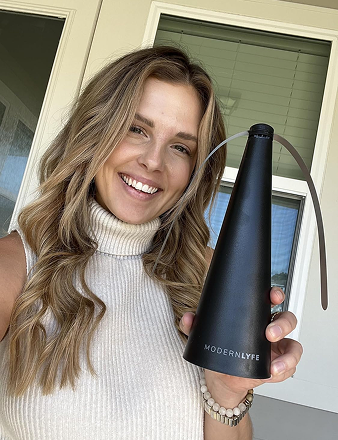
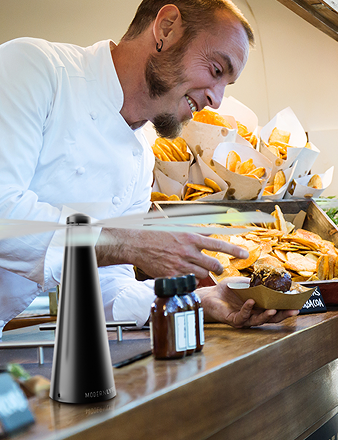
If you want a cleaner alternative to traditional plugins to keep bugs away, take a look at MODERN LYFE. Their battery-operated fly fans are built for dining tables, buffet lines, patios, events, and other hospitality setups where guest experience matters as much as insect control.