You're standing at the venue doors with guests arriving, a caterer asking about the revised headcount, a speaker waiting for a microphone, and three vendors calling different members of your team for decisions. On paper, the event is ready. On the floor, nobody knows which version of the plan is current.
That gap is where professional event coordination earns its keep. The coordinator turns a concept into a controlled operating system, aligning people, timing, suppliers, safety, communication, and guest comfort so the event feels natural instead of managed. The work matters in a substantial professional market. The U.S. Bureau of Labor Statistics reported about 155,800 meeting, convention, and event-planner jobs in 2024, projected 6% growth from 2025 to 2035, and about 16,800 openings each year on average, with a median annual wage of $61,160 in May 2025. These figures are summarized with sourcing in event-planning labor statistics.
The operational lesson is simple: a polished event isn't created by decoration alone. It comes from hundreds of small decisions that prevent friction before guests encounter it.
What a Well-Coordinated Event Actually Feels Like
At 6:45 p.m., the production lead confirms the backup AV feed. At 6:50, the microphone passes its final check. At 6:55, the catering captain verifies dietary flags printed on place cards and checks that the first trays are staged in the correct service zone. At 7:00, doors open, the climate feels comfortable, registration moves without a queue, and the host can greet guests instead of asking where the AV technician went.
At 7:10, the first reception announcements begin. The bar team sees the service forecast, the floor team knows which guests need assistance, and the next speaker is already positioned. Nobody applauds the coordination because nobody needs to notice it.
Now run the same corporate reception without that discipline. Guests reach the entrance before registration is ready. Appetizers collect in a slow-moving queue. The host searches for the AV technician while the microphone produces feedback. At 7:18 p.m., the bar runs out of white wine, and the person who could approve a replacement is somewhere outside taking a supplier call.
The second event may have the same venue, menu, entertainment, and budget. It feels completely different because coordination controls the distance between a problem appearing and a decision being made.
Practical rule: Guests should notice the welcome, the program, and the people they came to see. They shouldn't notice your internal handoffs.
The coordinator's real job
A modern coordinator orchestrates vendors, timing, staffing, communications, and contingencies in real time. They don't merely check boxes on a planning sheet. They decide which supplier enters through which door, who owns a delayed delivery, how staff receive an urgent update, and when a schedule change must reach the audience.
That scope reflects the wider events economy. One industry summary places the global events industry at about $1.4 trillion in 2025, with projections ranging from roughly $2 trillion to $3.4 trillion by 2033, depending on methodology. The U.S. events market is separately reported at about $302.7 billion in 2025, with a projection to $471.4 billion by 2033 at a 5.7% CAGR. The figures and methodology context appear in event industry market statistics.
Professional event coordination is therefore not occasional help for a busy day. It's a durable service discipline supporting conferences, corporate meetings, weddings, exhibitions, hospitality events, and large public gatherings. The room feels effortless only because someone has made the operational decisions before the guests need them.
Defining Professional Event Coordination in Modern Terms
Professional event coordination is the operational discipline that turns an approved event concept into a runnable experience. It connects timelines, vendor scope, staffing, floor flow, communication, safety, guest movement, and live decision-making.
Event planning and event coordination overlap, but they aren't identical. The planner usually shapes the creative and budget architecture, including the event concept, venue direction, design language, menu approach, and commercial priorities. The coordinator takes that approved direction and makes it executable, with clear owners, deadlines, access plans, load-in sequences, rehearsals, and day-of decisions.
Venue management has a different boundary. The venue lead handles the property's internal obligations, such as house rules, building access, facilities, security procedures, and venue staff. The coordinator must connect those obligations to the client's wider event system. If the venue's loading window conflicts with the caterer's setup, the coordinator resolves the conflict before it becomes a service failure.
The systems a coordinator controls
A reliable coordinator works across several linked systems:
- Scheduling: Workback dates, arrival windows, setup periods, program transitions, and teardown.
- Vendor management: Scope, contacts, deliverables, dependencies, payment status, and substitutions.
- Communications: Registration messaging, staff updates, escalation alerts, and attendee instructions.
- Run of show: The live sequence, including cues, owners, buffers, and decision points.
- Risk management: Hazards, likelihood, severity, mitigations, and response ownership.
- Guest flow: Entrances, queues, seating, food service, restrooms, transport, and exits.
- Reporting: Budget reconciliation, feedback, incidents, supplier performance, and lessons learned.
The deliverables should be tangible. Require a single source-of-truth run sheet, an escalation tree that names who can make which decision, and a written debrief after the event. If your team has multiple spreadsheets with different timings, you don't have visibility. You have competing versions of reality.
Why checklists aren't enough
An industry text describes event coordination as the integrated implementation of operational and logistical requirements, spanning site design, fire safety, incident planning, communication, crowd management, transport, structures, barriers, electrical systems, lighting, food, water, sanitation, waste, noise, and special effects. That breadth is documented in integrated event operations guidance.
The systems thesis is direct: an event isn't a checklist of independent tasks. It's a network of connected interfaces, and a weak interface can damage both safety and guest experience.
The Core Coordination Workflow From Brief to Wrap-Up
A strong workflow gives every phase a defined output and every handoff a named owner. Use six phases, but don't treat them as isolated boxes. Each phase creates information the next phase must use.
1. Discovery and brief
Start with purpose, audience, constraints, decision-makers, accessibility needs, venue requirements, and success criteria. The output is a stakeholder map, a clarified brief, and an initial decision log. If the client has several departments, identify who approves budget, creative, production, guest communications, and last-minute changes.
2. Concept and budget alignment
Turn the brief into a workable format, guest journey, program shape, and budget architecture. Confirm what is fixed, what can move, and what must be protected. The output is an approved concept, budget categories, assumptions, and a list of exclusions. Don't let vendors quote against an attractive idea that has no operational boundary.
3. Vendor sourcing and contracting
Build a vendor matrix covering scope, contact details, arrival requirements, equipment, dependencies, payment status, cancellation terms, and backup options. If transport is part of the guest experience, review practical guidance on transportation for corporate events alongside venue access and arrival timing. The output is a contracted supplier team with documented responsibilities.
4. Run-sheet build and rehearsals
Create the minute-by-minute run sheet, floor plan, staffing assignments, cue list, contact sheet, and contingency triggers. Rehearse the transitions that can fail, especially speaker changes, room resets, food service during programming, and AV handoffs. The run sheet should show not only what happens, but who acts and what happens if the cue is late.

5. Live on-site execution
Run a pre-shift vendor sync, verify critical areas, and establish the communications cadence before guests arrive. Use email for standard information and a rapid channel for urgent changes. An event communications guide recommends SMS rather than email for urgent schedule or safety updates, as outlined in event communication channel guidance.
6. Post-event reconciliation
Collect incident notes, feedback, supplier invoices, attendance information, and stakeholder observations. Produce a debrief memo that records what triggered a response, what worked, what failed, and what should change.
The common breakdowns occur at handoffs: a substituted vendor, a late attendee change, or timeline drift that nobody escalates. Treat those moments as controlled transfers, not informal updates. The workflow should feed its lessons back into the next discovery phase, so every event improves the operating model instead of starting from zero.
DIY Versus Hiring a Professional Coordinator
DIY works when the event is simple, contained, and forgiving. A small gathering with few suppliers, a familiar venue, and a host with dependable vendor relationships can run well without a dedicated coordinator. The pressure rises when that host must manage registration, production, catering communication, guest relations, and emergency decisions at once. At that point, coordination is an operating system, not a checklist.
Score your situation across these dimensions.
| Dimension | DIY Self-Run | Professional Coordinator |
|---|---|---|
| Cost | Lower visible labor cost, but the host absorbs planning time and disruption | Adds a fee while creating clear ownership and reducing operational distraction |
| Time commitment | Heavy personal involvement before and during the event | Structured meetings, approvals, and handoffs, with the coordinator carrying execution |
| Vendor relationships | Depend on personal contacts and negotiating experience | Built through a vendor matrix, documented scope, contracts, and clear escalation |
| Risk exposure | Problems reach the host directly and are handled reactively | Risks are identified, assigned, and tied to response procedures |
| Guest experience | Strong when the format is informal and forgiving | More consistent across complex programs, multiple suppliers, and public-facing events |
Where DIY works
DIY is reasonable when guest movement is straightforward, supplier dependencies are limited, and the event does not require heavy compliance or technical production. It also works when the host can remain present without losing the purpose of the gathering.
DIY breaks down when suppliers must load in together, the program has strict timing, or the venue has complex rules. Outdoor hospitality adds guest-comfort risks that rarely appear on a basic checklist, including weather exposure, food-safety controls, stagnant or uncomfortable airflow, poorly placed hygiene stations, and insects near food or seating. Teams that plan events at hospitality venues should account for venue operations and guest experience as one connected system.
Count the hidden cost
The DIY price includes more than invoices. It includes planning hours, a weekend spent resolving supplier problems, supplier minimums caused by weak forecasting, and the cost of a contingency decision made too late. A host who spends the reception chasing a missing delivery has transferred the coordination cost into lost attention and a weaker guest experience.
One late delivery can also pull the host away from guest care, delay service, and leave small comfort issues unresolved. Those details matter on the floor because guests experience the combined effect, not the separate causes.
If any two of complexity, guest count, or public visibility are high, hiring a professional coordinator usually fits the operational load better. Choose based on consequence and responsibility, not budget alone.
Vendor Management and Risk Planning That Holds Up
Vendor selection should feel more like procurement than browsing. Start with a five-step sequence:
- Brief alignment: Confirm that the supplier understands the event format, audience, venue, service standard, and timing.
- Proof of past work: Review comparable work and ask references for specific details about reliability, communication, and recovery from problems.
- Contract review: Document scope, deliverables, arrival times, payment terms, cancellation rules, substitutions, and responsibility for damage.
- Insurance and compliance check: Verify the documentation required by the venue, jurisdiction, and service type.
- Paid pilot or final confirmation: Test a critical service where practical, or require a documented final confirmation before full commitment.
Red flags deserve an immediate response. Walk away from verbal-only pricing, missing cancellation terms, a business dependent on one unreachable contact, or references that avoid answering direct questions.
Build the risk register before the floor plan is final
Use a register with five columns: hazard, likelihood, severity, owner, and mitigation. Populate it during planning, then review it at the venue walkthrough.
| Hazard | Likelihood | Severity | Owner | Mitigation |
|---|---|---|---|---|
| Power loss | Medium | High | Production lead | Confirm venue power plan, stage backup power where required, and keep a restart procedure |
| AV failure | Medium | High | AV lead | Test primary and backup feeds, store local files, and assign a cue owner |
| Supplier no-show | Low to medium | High | Coordinator | Confirm arrival, keep alternate contacts, and identify replacement options |
| Weather shift | Medium | High | Venue lead | Set trigger points for shelter, wind, heat, rain, and guest communication |
| Food allergen incident | Low | High | Catering lead | Separate service controls, label dietary meals, and define immediate escalation |
| Medical event | Low | High | Safety lead | Confirm first-aid access, emergency routes, staff roles, and incident reporting |
| Key staff absence | Medium | Medium to high | Coordinator | Cross-train a deputy and keep role instructions in the run sheet |
For hygiene, place fixed hand-hygiene infrastructure where guests naturally pause. Guidance recommends alcohol-based sanitizer containing at least 70 to 80% alcohol at entrances, exits, washrooms, and meal-service areas, with at least one dispenser per 50 participants at critical points, as set out in this event health and safety guideline. Food handlers should have designated cleaning and hand-washing facilities, and workers with gastrointestinal symptoms should be excluded until at least 48 hours after symptoms stop, according to the same guidance.

Hold 10 to 15% of total spend in an unallocated contingency reserve. This is a planning recommendation, not spare money for upgrades. Protect it for supplier substitution, weather response, urgent transport, equipment replacement, or guest-safety requirements.
Never skip cancellation, force majeure, substitution, overtime, delivery, damage, insurance, payment, and liability clauses. On the day, every vendor must know the escalation chain. A practical chain is vendor lead, functional lead, event coordinator, client decision-maker, and venue or safety authority. The coordinator should be able to reach the person with binding authority in under five minutes.
Record the debrief while details are fresh. Note what triggered the issue, what worked, and what gets retired from the playbook. Use vendor management best practices to reinforce that discipline between events.
Engineering Guest Experience on the Floor
At a 180-guest outdoor summer reception, the room feels calm. Food moves steadily. Guests can hear the speeches, find the bar, and sit without swatting insects between courses. That result doesn't come from luck or attractive furniture. It comes from mapping comfort risks before guests arrive.

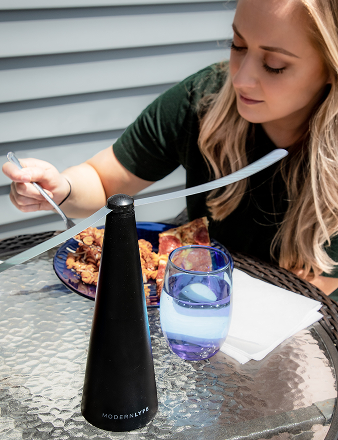
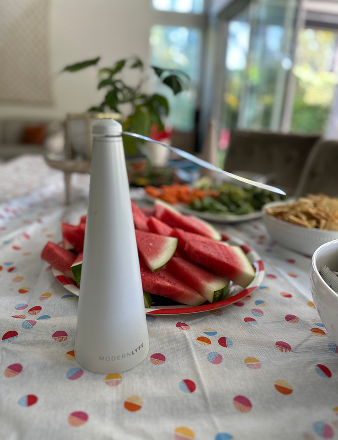
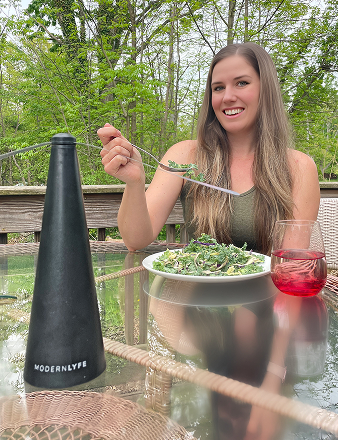
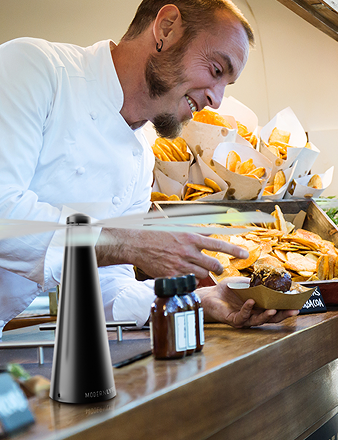
The coordinator and venue lead walk the site against the sun path, identify shaded seating, and check where heat will build. They assess seasonal insect pressure, then position discreet fly-fan solutions at the bar and buffet perimeters rather than blasting air across dining tables. Commercial pest guidance recommends directing fans toward entry and settling points where flies gather, while pairing airflow with spill cleanup, closed trash lids, and dry service areas. The operational guidance appears in outdoor event pest-control planning.
Hygiene stations sit along natural footfall, not hidden against walls. Place them at entrances, exits, restrooms, and meal-service areas, especially where people pause to decide where to go next. Guests are more likely to use a station that is visible and close to the action than one that requires a detour.
Protect the service sequence
The catering lead sequences plating and replenishment so staff don't cross the speech sightline. A floor manager watches the buffet, bar, and stage as connected zones. When the program changes, the team changes service timing with it, preventing a rush that creates queues, blocked circulation, and food sitting unattended.
A pre-shift vendor sync confirms who owns each zone. The floor plan protects sightlines and keeps high-contact areas from becoming bottlenecks. One point of contact owns the guest perspective, so the host isn't forced to choose between greeting people and solving a service issue.
For practical ideas on turning operational details into satisfaction improvements, use this guest satisfaction guidance.
The same principles work indoors, at weddings, in hotel ballrooms, and at corporate receptions:
- Walk the room as a guest: Test arrival, registration, seating, food, restrooms, exits, and departure in that order.
- Map the journey: Mark every decision node where guests need information, assistance, hygiene access, or a clear route.
- Protect micro-moments: Keep microphones, water, dietary meals, shade, seating, and wayfinding ready before demand peaks.
- Choose invisible tools: Fans, signs, staff radios, and backup equipment should support the experience without dominating it.
The coordinator's job is to make these controls disappear into the guest experience. If the room feels comfortable, services arrive on cue, and nobody has to ask twice for help, the system is doing its work.
The visual setup can be complemented by this event-service video:
Your Practical Coordination Checklist and Next Steps
A useful checklist connects planning decisions to floor actions. Keep it short enough to use during a site walk, but specific enough to expose ownership gaps.
Master run-of-show checklist
Your live document should include:
- Setup: Vendor arrival, access, power, furniture, signage, sanitation, catering prep, AV test, and safety check.
- Guest arrival: Registration owner, welcome position, accessibility support, transport information, coat or bag handling, and first-service timing.
- Key moment: Speaker cue, microphone, lighting, food pause, photography position, backup content, and decision-maker.
- Wrap: Guest departure, supplier teardown, lost property, waste removal, incident notes, venue inspection, and invoice capture.
For accessible communication, address the person directly, ask before offering help, allow extra time for questions, face the person when speaking, avoid bright backlighting, and identify yourself by name. UNICEF's accessible event preparation toolkit also identifies accessible invitations, websites, transportation, visibility, live transcription, live translation, sign-language interpretation, and magnetic hearing loops as operational considerations.
A 30, 60, and 90-day action plan
At 90 days, lock the brief, budget, venue, stakeholder map, accessibility requirements, priority suppliers, and major program decisions. For a small event, focus on scope and guest flow. For a larger event, establish the workstream owners and escalation authority immediately.
At 60 days, confirm vendor contracts, floor plans, production requirements, transport, dietary processes, registration, communications, and contingency triggers. Start the recurring confirmation schedule instead of waiting for a final-week scramble.
At 30 days, freeze major scope, issue the current run sheet, confirm staffing, test communications, conduct the venue walkthrough, and tabletop the likely disruptions. The final weeks should validate decisions, not introduce the entire operating model.
Score the guest experience
Grade the event against clear qualitative questions:
- Could guests find the entrance and registration without asking?
- Did food and beverage service move without blocking key routes?
- Were dietary and accessibility needs handled discreetly?
- Did urgent updates reach staff and attendees through the right channel?
- Did the host remain available to guests?
- Did each incident have one owner and one documented response?
Teams hiring their first coordinator should provide the brief, decision rights, budget boundaries, venue access, and supplier history. Teams scaling an internal department should redesign roles around data management, digital tool administration, sustainability compliance, and vendor governance, not just add more temporary labor. A 2026 industry report found that 36% of companies reported staff shortages in internal event departments during 2025, while coordinator roles expanded beyond logistics into these technical and compliance responsibilities. The finding is discussed in event trends affecting internal staffing.
Use this event coordinator checklist template to turn the framework into a working document. If visual storytelling is part of the deliverable, clarify the content role early, including whether you need a specialist such as a Wedding Content Creator Italy for timely behind-the-scenes coverage.

Use this decision tree: choose DIY when the event has low operational complexity, limited suppliers, and forgiving consequences. Hire a coordinator when timing, guest movement, vendors, or public visibility create meaningful exposure. Engage a full agency when strategy, creative production, multiple workstreams, and complex stakeholder management must operate together.
Book the vendor walkthrough, lock the run of show, run a tabletop simulation, and rehearse the contingency triggers. Nothing important on event day should depend on improvisation.
MODERN LYFE helps event teams organize the practical details that protect guest comfort, including checklist resources and discreet fly-fan solutions for dining and service areas. Visit MODERN LYFE to review coordination resources and choose tools that keep outdoor food service and guest areas comfortable without disrupting the design.