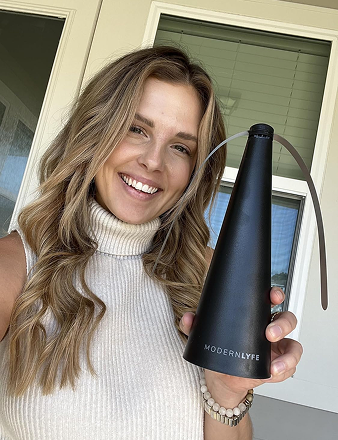
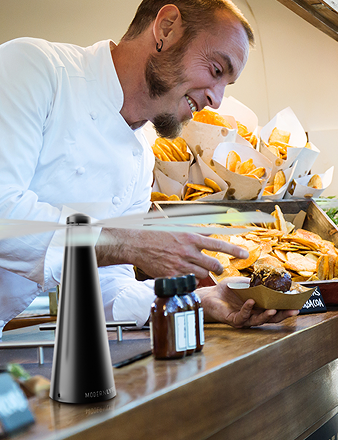
You're standing there with a delivery on the dock, a prep list on your clipboard, and a room that still has to look polished before guests walk in. The fly fans are boxed, the tables are set, and someone on staff is already asking whether they can just get plugged in and go. That's the moment to slow down, because professional installation services are what keep a simple product rollout from becoming an event-day problem.
A fan that's easy to unpack isn't automatically easy to deploy across a patio, buffet line, or catering setup. The difference between “delivered” and “ready to perform” is usually hidden in the details, clearances, wiring access, stable mounting, and who's accountable if something shifts after setup. In hospitality, those details are the whole job.
Why Professional Installation Matters for Fly Fans
The quickest way to turn a smooth service into a mess is to assume the equipment will take care of itself. A restaurant owner opens the boxes the afternoon before a busy dinner, sees the fans are lightweight, and figures the staff can place them on the nearest surfaces. Then one unit wobbles on a table edge, another sits too close to a pass-through, and suddenly the room has clutter, noise, and avoidable risk.
That's why professional installation services matter in hospitality. You're not buying a gadget for a shelf, you're setting up equipment that has to survive traffic, heat, cleaning, and last-minute changes. If a fly fan sits in the wrong spot, it can interfere with service flow, create a snag for staff, or fail when the room is full and nobody has time to troubleshoot.

What goes wrong when setup is rushed
The failure points are usually boring, which is exactly why people miss them. A table surface isn't as stable as it looked in the showroom. A patio gets more wind than the team expected. A battery charging station ends up on a circuit that's already working too hard.
Practical rule: if the install needs explanation after guests arrive, it was installed too late or too loosely.
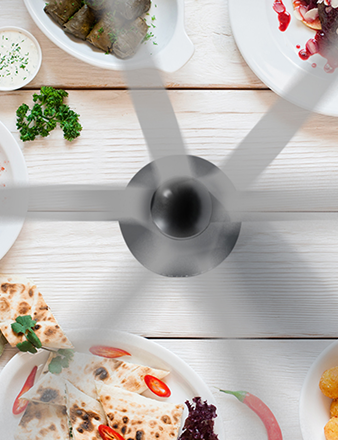
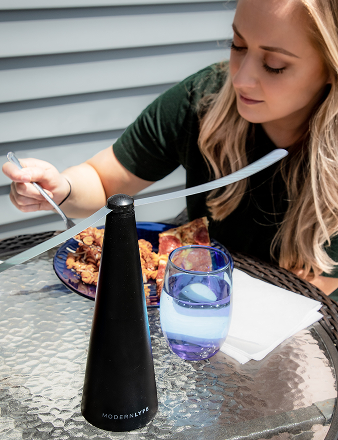
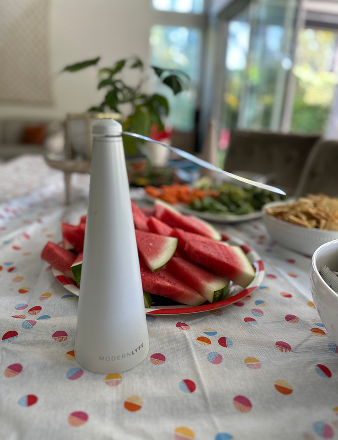
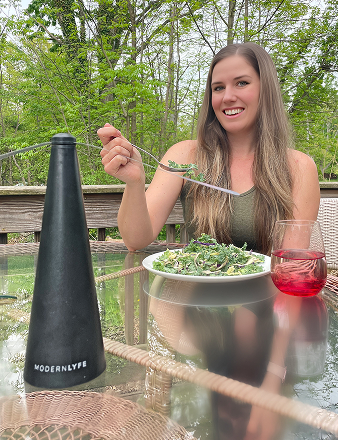
A good installation team treats fly fans like part of the venue's operating system. They look at sightlines, guest movement, cleaning routines, and where staff can reach the units without disrupting service. That's especially important for Modern Lyfe fly fans, because the product is designed for simple placement, but simple doesn't mean you should improvise when you're running multiple tables, multiple stations, or multiple venues.
Value is reliability under pressure. On event day, nobody cares that the product was easy to unpack. They care that it stays put, runs where it should, and doesn't force a manager to fix a setup problem in front of customers.
Conducting a Thorough Site Assessment
Start with the room, not the quote. Most installation problems are already visible before anyone touches a tool, and a proper site assessment catches them early. If you document the space well, installers can price the job accurately and won't surprise you later with scope creep.

Check the physical conditions first
Walk the venue and look at every place a fan might live. Measure table depth, confirm the surface doesn't rock, and make note of anything that could interfere with safe placement. On outdoor patios, wind exposure matters. On indoor banquet layouts, pendant lights, HVAC vents, sprinklers, and server paths matter just as much.
A clear site survey also helps when you're coordinating more than one system at once. If your operation already uses a structured site survey for wireless network, apply that same discipline here. Gather photos from multiple angles, note outlet locations, and identify where staff can reach the units without weaving through guests.
Document what the installer needs to know
Use a simple checklist and send it with the request for quote. Include outlet spacing, likely charging locations, the number of tables or stations, and any surfaces that can't take load. If you're managing a venue with changing floor plans, note which layouts are permanent and which change by event type.
Bring the measurements, the photos, and the room notes. Guessing costs time, and guessing placement costs more.
For deeper product details, keep the vendor's technical specifications in the same packet so the installer isn't making assumptions about the hardware. That saves you from bad assumptions about clearances, access, and operating conditions.
The goal is simple. Give every bidder the same facts, and you'll get quotes you can compare without decoding someone's guesswork.
Vetting Installers with a Structured Checklist
A polished website proves almost nothing about hospitality fieldwork. Ask for documents, scope details, and job history. In California, contractors must be licensed if the project needs a building permit, uses employee labor, or totals $1,000 or more, and the board says you cannot split a larger project into smaller contracts just to avoid that threshold, according to the CSLB licensing rules.
Ask for credentials that match the job
If the work includes gas or electrical modification, installation, or commissioning, a UK consumer guide says it must be handled by qualified registered professionals. It also calls for relevant public and employer's liability insurance, plus a contingency fund of around 10% for unforeseen items, according to the BIFIS consumer guide. Even outside the UK, that is a practical standard for how seriously a contractor treats risk.
Ask for references that match your setting. Recent restaurant, hotel, or catering installs matter more than generic home work. A crew that has handled dining rooms, patios, and event turnover understands the pace of hospitality. A crew that has not will learn on your schedule, and that is how event-day problems start.
Use a bid format that forces clarity
I want every quote to break out labor, travel, any electrical work, and post-install support. That makes it easy to compare one contractor against another without guessing what was included. Vague bids hide weak planning, and weak planning shows up on site.
Use the logic behind the installer vetting checklist to keep the process disciplined. Field-service benchmarking points to a simple pattern. Contractors that qualify the work clearly and quote cleanly tend to stand out faster than the ones who throw out a number and hope it sticks.
Ask direct questions.
- License status: Can they show the exact license class for the work involved?
- Insurance proof: Will they email current coverage documents without hesitation?
- Relevant experience: Have they handled fly fans or similar hospitality installs before?
- Warranty support: Who owns workmanship problems after the install is done?
- Operational fit: Can they work around your service schedule and help manage washroom and cleaning stock without disrupting the venue?
The installer vetting checklist below lays out the basics in a format that works on procurement calls.

If a contractor will not define the scope, they are asking you to carry the risk.
Understanding Cost and Timeline Expectations
The wrong way to buy installation is to chase the lowest bid and hope the job sorts itself out. That usually leads to missing details, rushed work, or a second visit you pay for later. The right way is to understand what you're paying for and what kind of timeline your venue can tolerate.
Professional labor is the biggest cost driver, and the broader market tells you why. The U.S. Bureau of Labor Statistics says installation, maintenance, and repair occupations are projected to grow faster than average from 2024 to 2034, with about 608,100 openings each year on average, and the median annual wage for the group was $58,230 in May 2024, compared with $49,500 across all occupations, according to the BLS occupational outlook. That's a strong signal that skilled installers are in demand and won't price like casual labor.
What belongs in the quote
Use a clean breakdown so the numbers make sense.
| Cost Category | Typical Range | Notes |
|---|---|---|
| Labor | Varies by scope | Price should reflect setup complexity, not just the number of boxes |
| Travel | Varies by location | More likely for multi-site or remote deployments |
| Electrical work | Varies by venue condition | Only needed if charging or power access requires changes |
| Contingency | Around 10% | Set aside for genuinely unforeseen items, per professional installer guidance |
| Post-install support | Varies by contract | Clarify whether follow-up adjustments are included |
A strong quote should also tell you what counts as finished. If the contractor leaves without documenting placement, charging, and troubleshooting notes, the install isn't really done. That kind of handoff saves time when staff changes or a later event needs the same layout.
Match the timeline to the site
A single patio setup can often move quickly if the room is ready and the assessment was accurate. A hotel group rollout takes longer because each property has its own access rules, labor windows, and event calendar. Don't let anyone sell you a universal timeline for a non-universal job.
The cheapest bid is often the one that forgot to price coordination.
If you're buying for a venue group, compare one installer's process against another's. In fragmented service markets, consistency matters more than a headline price because the cost shows up in rework, not in the invoice alone. That's why a slightly higher bid with tighter scope is often the safer operating decision.
Coordinating On-Site Installation Day
Installation day should feel controlled, not chaotic. If the crew is dodging servers, moving around guests, or waiting on someone to approve placement, you've already lost time. The fix is simple, assign one point of contact, protect the work window, and clear the space before anybody arrives.

Control the room before the crew arrives
Schedule the work during off-peak hours whenever possible. If the restaurant is still serving lunch, fence off the work area and brief the front-of-house team so they don't keep resetting the same tables. If it's a multi-venue catering week, give each site a different access plan instead of assuming the same setup works everywhere.
The day-of checklist should be plain and short:
- Tables cleared: Remove décor, glassware, linens, and anything fragile.
- Power confirmed: Make sure outlets, charging points, or extension routes are ready.
- Access open: Keep paths clear for carts, ladders, or tool bags.
- Decision-maker present: One person approves placement changes on the spot.
Keep communication tight
The crew needs one person who can say yes or no quickly. Otherwise, every minor question turns into a delay while three managers debate table placement. If the installer finds a hidden issue, like a weak surface or blocked access point, the decision-maker should solve it immediately instead of pushing the problem into the next shift.
For fast-moving teams, the quick installation guide is a useful reference to keep nearby for pre-arrival prep and handoff discipline. Use it as a checklist, not a substitute for planning.
The best install days feel boring. That's the point. Guests shouldn't notice the process, and your staff shouldn't be forced to improvise because the setup wasn't coordinated tightly enough.
Securing Warranty and Maintenance Handoff
The installer can leave, but the job still isn't finished until the paperwork is in your hands. If you skip the handoff, you're setting yourself up for confusion the first time a unit needs service or a question comes up about coverage. Get the documents before the crew packs up.
Collect the paperwork that matters
Ask for warranty registration confirmation, any service contact details, and a simple maintenance note that matches the actual setup in your venue. If the installation involved any special placement, outdoor storage, or charging routine, get that written down. Verbal instructions disappear fast once staff rotates.
The peace of mind guarantee is the right kind of reference point here because it reinforces how important clear support channels are after the work is done. The installer should tell you exactly what counts as a workmanship issue versus a product issue.
Build maintenance into operations
Don't wait for a problem to start a maintenance routine. Set a recurring calendar for cleaning blades, checking stability, and replacing batteries or charging components as needed by the product configuration. If the units are seasonal, create a storage process so the next event starts clean instead of scrambled.
Operational rule: if the maintenance owner is unclear, the equipment will get blamed for what's really a handoff failure.
Modern Lyfe's support should be the product-defect path, while the installer should be the workmanship path. Keep those contacts separate in your venue notes, and you'll waste less time when something needs attention. That distinction sounds minor until a busy shift exposes a gap.
Frequently Asked Questions About Fly Fan Installation
Do battery-operated fans need specialized certification
Not usually for the fan itself, but the answer changes if the install touches electrical work, structural attachment, or code-controlled areas. If a contractor says “no certification needed” without checking the venue conditions, that's a red flag.
What about historic venues with restrictions
Bring the venue manager and the installer into the same conversation early. Historic properties often care more about mounting methods, visibility, and reversible changes than about the product category itself. Don't assume a general-purpose installer knows those rules.
What if the installer damages the venue
Stop the work, document the damage, and get it written into the service record before anyone leaves. Insurance and clear scope matter, because vague agreements make small problems expensive.
Is professional installation worth it for only a few fans
Yes, if the room is operationally sensitive. A few fans in a restaurant patio may look simple, but if placement affects traffic flow, guest comfort, or cleanup, paying for proper setup is cheaper than fixing a bad layout later.
MODERN LYFE supplies fly fans built for restaurants, catering teams, hotels, and event spaces that need clean placement and dependable performance. If you're planning a rollout and want the product and the setup to work together, visit MODERN LYFE and build your installation plan with the venue, not against it.