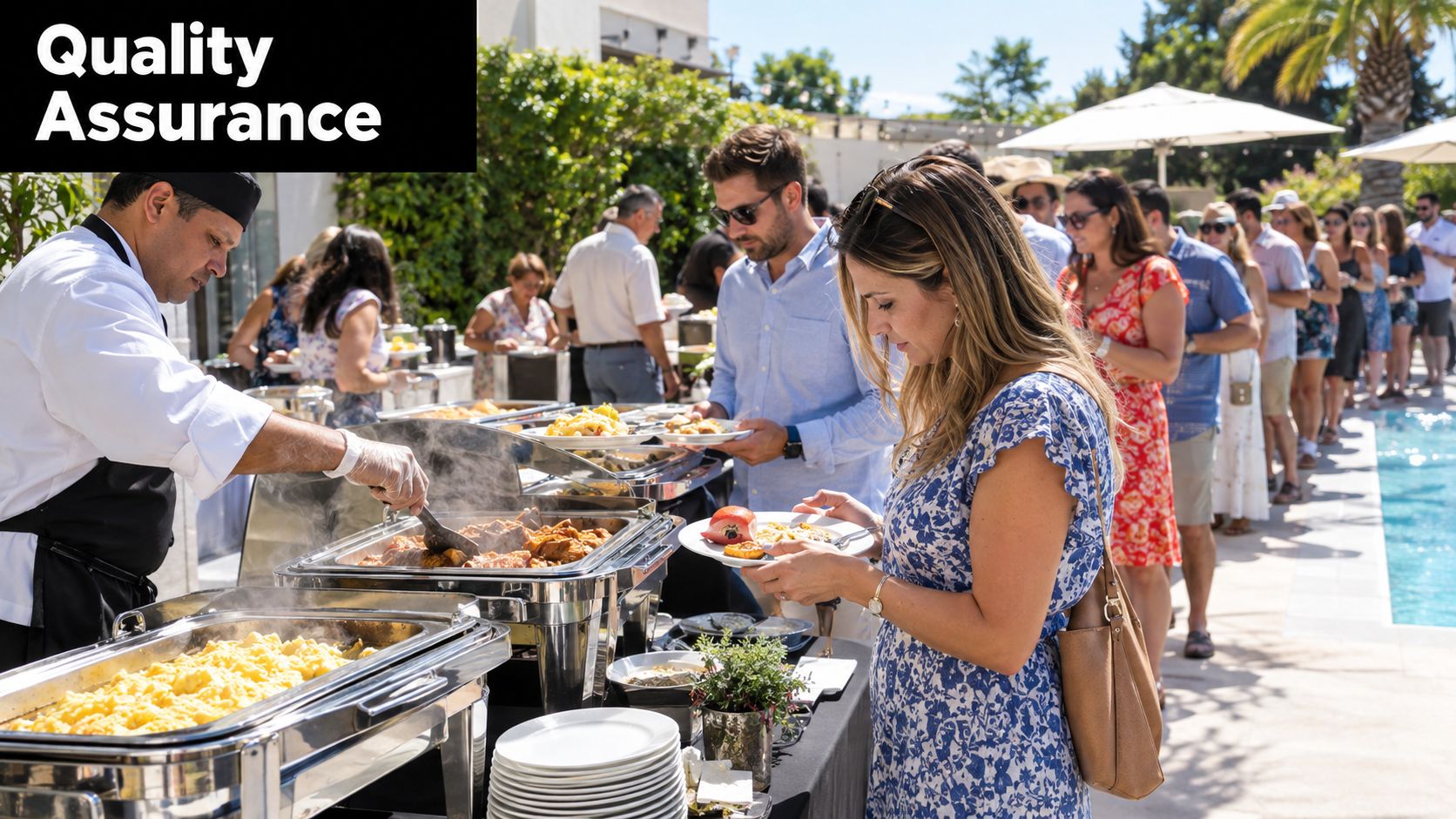
It's late morning, the patio is full, and brunch has hit that dangerous point where everyone's moving fast enough to miss small mistakes. Steam is lifting off the buffet line. A server grabs the wrong backup pan and swaps it into the eggs station. A guest notices an olive in the fruit area. Someone asks whether the pastry bites contain nuts, and the label is missing. Then a fruit fly drifts past the dessert table.
None of those moments looks dramatic by itself. Together, they tell you the same thing. Your operation doesn't have a system catching problems before the guest does.
That's where quality assurance basics matter in hospitality. Not as paperwork. Not as a binder on a shelf. As the daily operating playbook that keeps service clean, safe, consistent, and calm when the shift gets loud.
What Quality Assurance Really Means on a Busy Service Floor
On a busy service floor, quality assurance means building repeatable checks into the work so the team doesn't have to rely on memory, luck, or one star employee. In hospitality, the guest sees the process live. There's no quiet factory wall and no recall option after the experience has already happened at the buffet, table, bar, or banquet station.
The guest sees every gap
At that patio brunch, the wrong batch pan didn't get caught because refill procedures weren't tight. The stray olive showed cross-station mess and poor reset discipline. The missing allergen label meant documentation broke down. The fruit fly near pastries pointed to a sanitation and environmental control problem that should've been addressed before service.
Those aren't separate issues. They're one issue wearing different uniforms.
Practical rule: If the guest is discovering the problem first, your QA system is too weak.
That's why hospitality managers need a direct definition. Quality assurance basics are the habits, checks, records, and corrective actions that protect guest experience before the guest feels the failure.
QA is a system, not a heroic save
New managers often confuse QA with inspection alone. They think it means walking around and spotting mistakes. Inspection matters, but inspection by itself is late-stage defense. Strong QA starts earlier, with setup standards, role clarity, monitoring, and fast correction.
A lot of teams also need help finding a sanitation quality framework that connects cleaning routines to service execution. That's useful because sanitation in hospitality isn't a back-room task. It shows up in buffet appearance, utensil condition, pest pressure, and guest confidence.
Why hospitality QA feels different
Hospitality runs in real time. Food quality, cleanliness, pace, and presentation are judged in public. If a pan sits too long, if a garnish station gets sloppy, if insects gather near food, guests don't wait for your monthly review. They decide in the moment whether your standards are real.
That's why a practical QA program has to answer simple floor-level questions:
- What should this station look like before opening
- Who checks it during service
- What gets logged
- What happens when standards slip
The strongest teams treat QA like line choreography. Everyone knows the marks. Everyone knows the cues. Everyone knows what to fix before the room notices.
The Three Core Principles Every Hospitality QA Program Shares
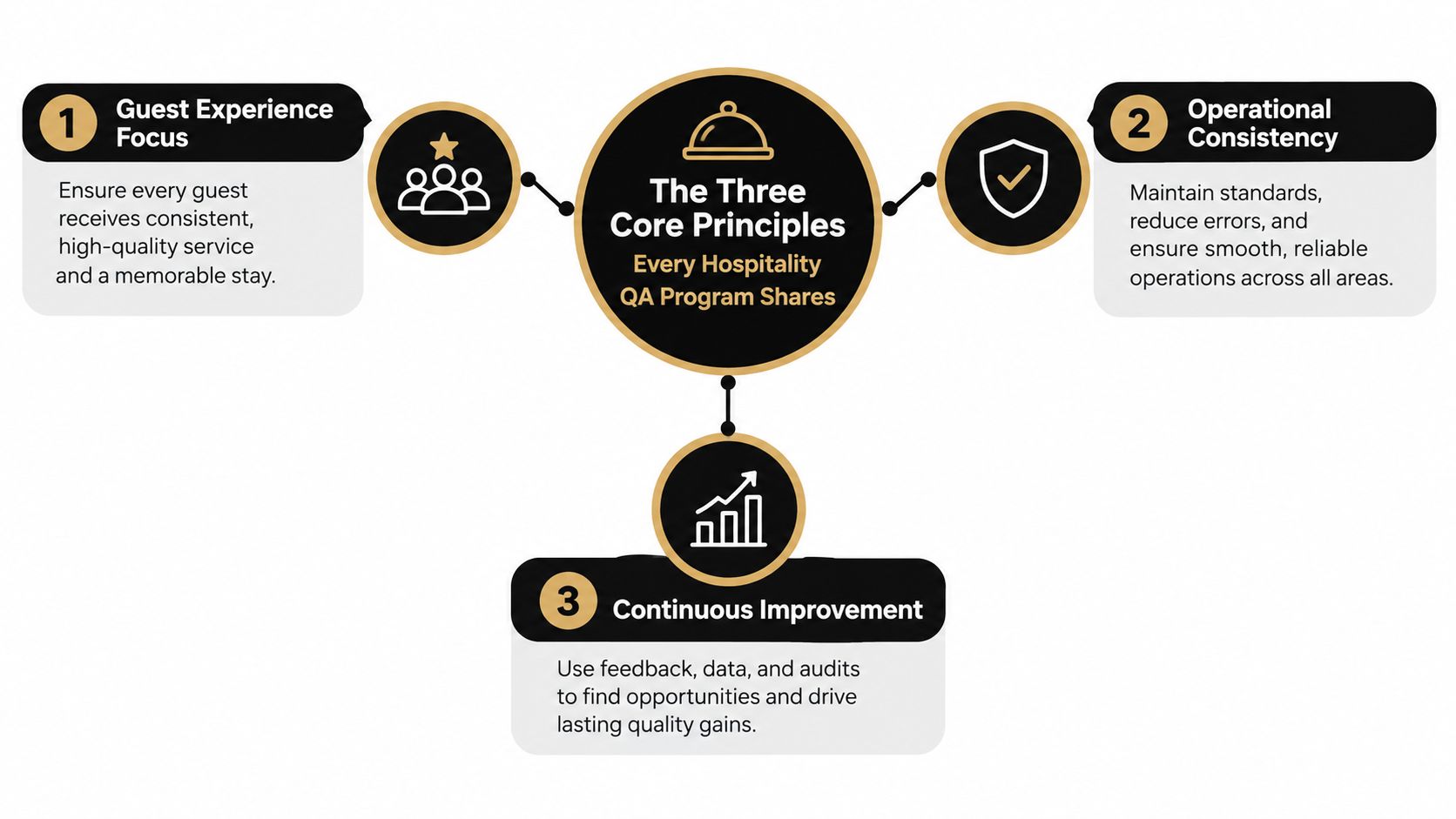
Every workable hospitality QA program comes back to three principles. Process control. Documentation. Corrective action. If one is missing, the other two won't hold for long.
A formal quality system follows the same logic. ISO 9001:2015 defines a quality management system as something an organization must establish, implement, maintain, and continually improve, structured around context, leadership, planning, support, operation, performance evaluation, and improvement through the ISO 9001 standard overview.
Process control keeps the line predictable
Process control means the station works the same way no matter who's on shift. In a buffet setting, that can mean standard holding temperatures, defined refill timing, assigned utensils for each pan, and one accepted setup for allergen signage.
If your eggs station depends on the strongest cook remembering every detail, you don't have control. You have hope.
In food safety systems, a critical limit is the measurable maximum or minimum value applied at a critical control point to prevent, eliminate, or reduce a hazard to an acceptable level, and those limits should be observable, measurable, and monitored in real time according to HACCP guidance from UNIDO. On the floor, that means staff need standards they can check, not vague instructions like “keep it hot.”
A quick visual makes this easier to train:
Documentation lets you reconstruct reality
When service gets messy, memory becomes unreliable. Documentation gives managers a trail. Prep sheets, temperature logs, receiving checks, allergen tags, and cleaning sign-offs tell you what was supposed to happen and what happened.
Beginners often push back. They say logs slow the team down. Bad logs do. Tight logs don't. A one-page line check or a clipped temperature sheet can save a manager from guessing after a complaint lands.
Good documentation doesn't exist for auditors first. It exists so your team can answer, with confidence, what happened on the floor.
Corrective action closes the loop
A weak team notices errors. A strong team notices, responds, records, and prevents repeat errors.
Say a steam table drops below the required holding standard during service. The pan comes off the line. The backup plan kicks in. The manager checks whether the issue came from equipment, setup, refill timing, or staff practice. Then the SOP changes or retraining happens before the next shift.
Here's the point many new managers miss:
- Process control sets the standard.
- Documentation proves whether the standard held.
- Corrective action stops the same miss from returning.
That's the engine behind quality assurance basics in hospitality. It's not a checklist you complete once. It's a loop you run every day.
Daily QA Activities That Keep Service Consistent
Most managers don't need more theory. They need a clear picture of what QA looks like during a real shift. On the floor, daily QA work usually falls into four buckets: inspections, SOPs, monitoring, and KPIs.
Inspections and SOPs
Inspections are short, deliberate walkthroughs. They happen before opening, during transitions, and after service. You're checking whether reality matches the standard. On a buffet line, that means pan placement, utensil condition, label visibility, sneeze guard cleanliness, backup stock, and any signs that insects or spills are starting to become a problem.
SOPs give those inspections something to inspect against. The best hospitality SOPs are short and role-specific.
- Refill SOP: Which backup pan belongs to which station, who verifies the label, and where the time mark goes.
- Dating SOP: How prep gets labeled, where the label sits, and who signs the sheet.
- Reset SOP: What gets wiped, replaced, re-aligned, and re-stocked between groups.
A long procedure manual won't survive brunch. A one-page station SOP might.
Monitoring and KPIs
Monitoring means repeated checks during service, not just one opening look. In QA terms, you're making sure the process stays in range while guests are actively using it.
The basic mechanics matter. Acceptance sampling uses AQL as a statistical decision threshold. ISO 2859-1 describes AQL as the worst tolerable process average for a continuing series of lots, and common normal-inspection ranges run from 0.065 to 6.5 in the ISO 2859-1 standard text. In plain hospitality language, that means small defect levels still need defined acceptance rules. You don't judge quality by vibe.
Quality-control references also frame defect rate as defective units divided by total inspected units, multiplied by 100, and a batch of 1,000 items with a 2% defect rate means 20 nonconforming units in this quality-control reference document. That's why “only a few mistakes” isn't a safe standard on a service line.
Daily QA Activities at a Glance
| Activity Type | Example in Service | QA Principle Supported |
|---|---|---|
| Inspection | Opening walk of buffet line, cold storage, and event setup tables | Process control |
| SOP | One-page refill procedure for hot pans and utensil replacement | Process control |
| Monitoring | Temperature checks, sanitizer checks, guest feedback notes from servers | Documentation |
| KPI | Tracking temperature compliance, complaint patterns, waste, and setup completion | Corrective action |
Track a small number of signals closely. If you track everything, nobody responds to anything.
For a new manager, the simplest test is this. If a station slips mid-service, can your team show what they checked, what standard they used, and what they did next? If not, your QA activity is still informal.
Sample Checklists for Events and Buffet Lines
Checklists work when they prevent a known risk. They fail when they become generic paperwork. In hospitality, every line item should answer one question: what specific problem does this stop before a guest sees it?
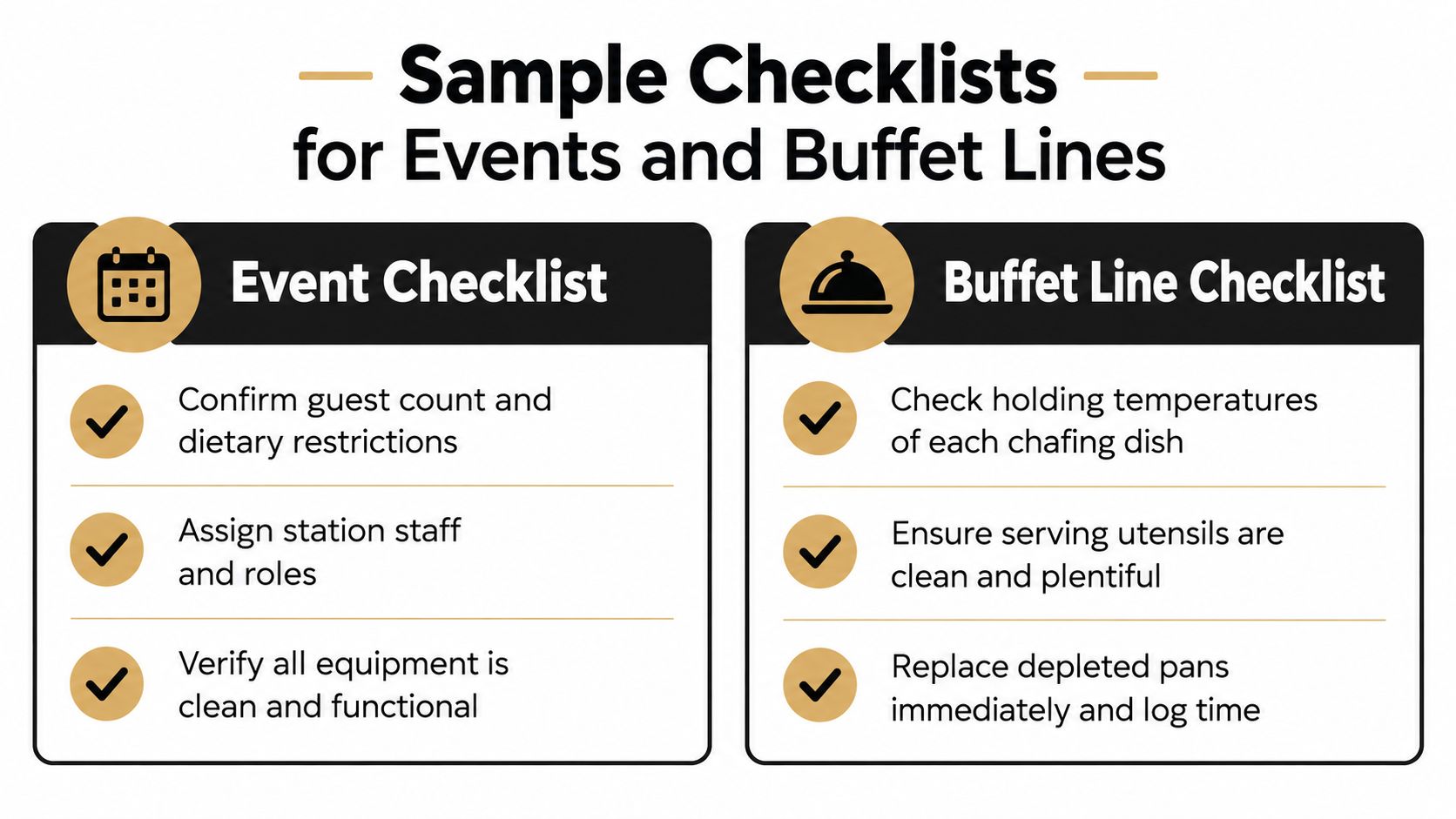
Pre-shift checklist
Before doors open, the manager or shift lead should verify the basics that are hardest to fix once guests arrive.
- Confirm guest count and dietary notes: This prevents rushed substitutions and missing allergen communication.
- Assign stations and named owners: This prevents the “everyone thought someone else had it” failure.
- Check equipment function: Test hot holding, cold holding, lighting, and serving tools before food lands on the line.
- Verify labels and menu cards: This prevents confusion at the point of service.
- Inspect surfaces and traffic paths: This reduces cross-contact, spills, clutter, and awkward guest flow.
If you want a practical comparison point, this food service checklist guide is useful because it keeps the focus on floor-ready checks instead of abstract standards.
Mid-shift checklist
Mid-shift checks keep small drifts from becoming service failures.
- Recheck holding conditions: Don't assume the line is still operating as it was at opening.
- Inspect utensil and plate levels: Low supplies create messy guest behavior fast.
- Look for station contamination: A garnish in the wrong tray or sauce spill at the wrong station signals control is slipping.
- Review presentation: Empty-looking pans, dried edges, crooked labels, and wiped-out décor all affect perceived quality.
- Watch guest questions: Repeated questions often reveal unclear signage or weak station logic.
A good mid-shift checklist catches drift. A bad one just confirms the shift exists.
End-of-shift checklist
Closing QA isn't only about cleaning. It's about learning.
- Record any failures: Missing labels, holding issues, guest complaints, and delayed refills should be written down.
- Separate product and equipment issues: Staff need to know whether the miss came from execution or hardware.
- Reset and sanitize stations: Start the next shift clean, not half-recovered.
- Update prep and waste records: This supports tighter ordering and cleaner next-day setup.
- Flag retraining needs: Don't trust memory to carry lessons into tomorrow.
That's the shape of useful quality assurance basics. Short lists. Clear risks. Action attached to each check.
Training Your Team to Live the QA Program
A QA program becomes real when the team performs it the same way under pressure. Until then, it's just organized intention.
Two teams, one event, very different outcomes
Take the same outdoor wedding brunch. The untrained team arrives with decent food and decent effort, but no shared routine. One server places pastries in a warm corner with high guest traffic. Another refills fruit before clearing the serving edge. A third notices a missing allergen tag but assumes the captain already handled it. Nothing looks disastrous at first. Then the station gets sticky, guest questions stack up, and the team starts improvising.
The trained team walks in differently. The captain assigns zones. Each station lead knows the setup standard. The refill person checks labels before swapping pans. The floor lead scans for cleanliness, insect pressure, and guest bottlenecks every round. The difference isn't talent. It's rehearsal.
Train for moments, not speeches
Most hospitality training fails because it's too broad. Staff don't need a long lecture on excellence. They need to know what to do when the coffee urn drips, when the shrimp label falls, when the sanitizer bucket disappears, or when bugs start gathering near a sweet station.
Useful training materials are short, visual, and tied to real scenarios. A manager building a program can borrow ideas from these staff training materials for service teams, especially if the goal is to make standards easy to repeat on the floor.
Train around decision points such as:
- When to stop service at a station
- Who gets called for a holding or labeling issue
- How to document a guest-facing problem
- What “reset” means between waves of guests
Don't ask whether staff sat through training. Ask whether they can perform the standard during the rush.
What new managers usually get wrong
They train once and assume the system is now installed. It isn't. QA training in hospitality needs refreshers, live coaching, and quick corrections in the moment. If you see someone refill a buffet pan without checking the label, that's a training moment right there. Fix it on the floor, then tighten the SOP later if needed.
A calm, consistent team is usually a trained team. Chaos often means the standards only exist in the manager's head.
Integrating Physical Controls Into a Complete QA System
Hospitality teams sometimes treat physical controls like magic fixes. They add a shield, fan, cover, trap, or barrier and expect the quality problem to disappear. That's not how QA works. A physical control only performs well when it sits inside a larger system of placement, monitoring, documentation, and review.
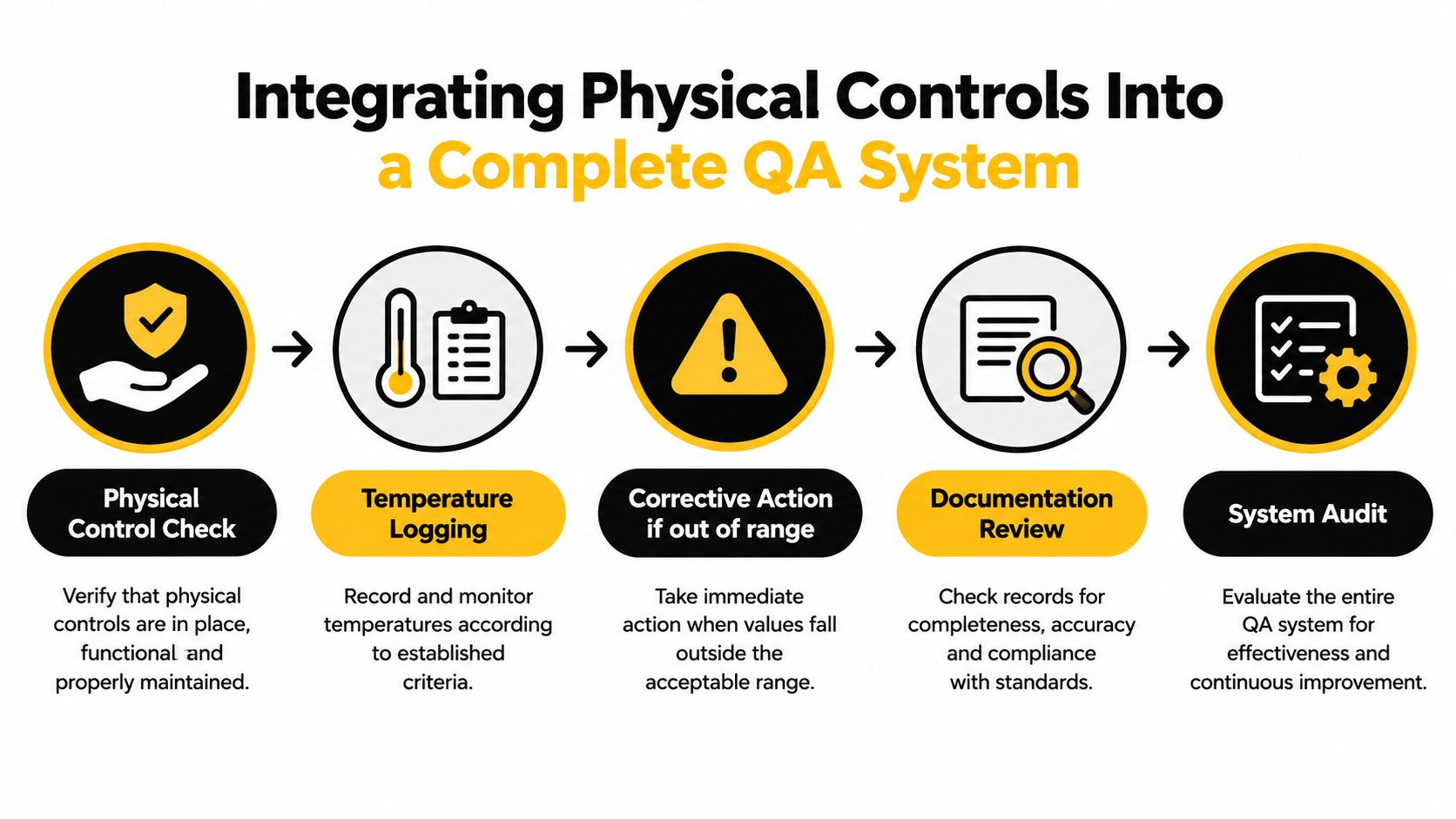
Where a fly fan fits
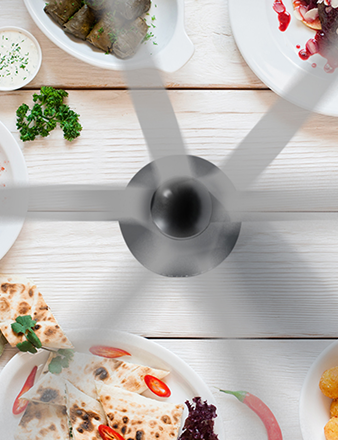
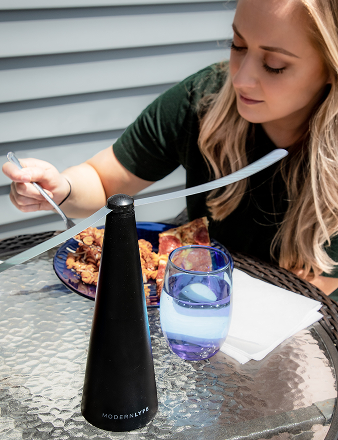
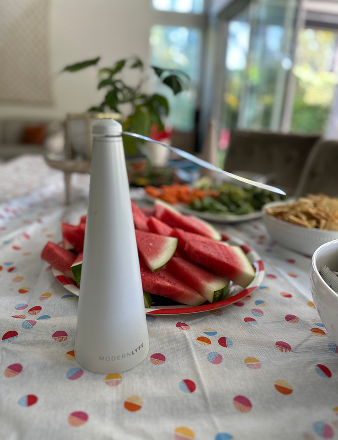
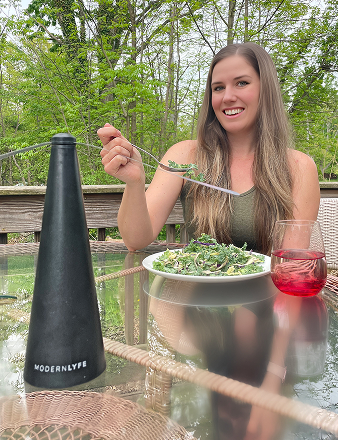
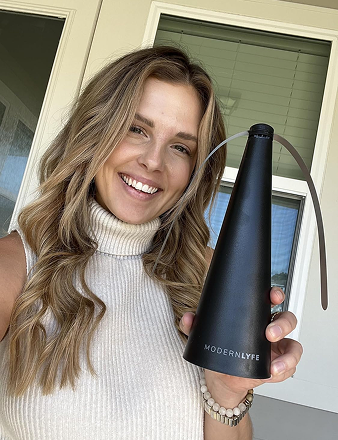
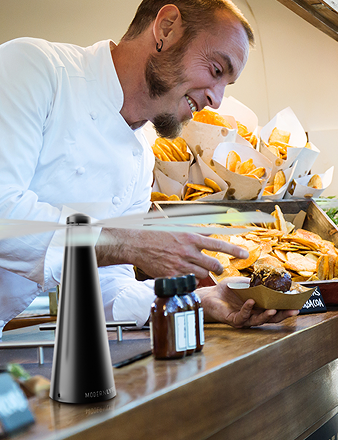
Take a buffet or outdoor pastry station. A strategically placed fly fan can help discourage insects from landing near food. But by itself, it doesn't prove the station is under control. The manager still needs to decide where it belongs, who checks it before service, what signs show it isn't enough, and what action follows if insect activity continues.
This is also where product choice should stay practical. One option in that system is a food protection setup approach that includes fly fans as part of table or buffet protection, alongside cleaning discipline, layout control, and service checks.
The loop matters more than the device
Physical controls belong in the same QA loop as everything else:
- Placement: Put the control where exposure risk exists.
- Verification: Confirm it's operating before guests arrive.
- Observation: Watch whether conditions on the floor still trigger risk.
- Documentation: Note recurring problem zones and failures.
- Review: Change placement, staffing, or cleaning practices based on what happened.
That's the difference between a control and a system. The control is the object. The system is the decision-making around it.
A strong sanitation routine matters just as much. If you're tightening that side of operations, this BacteriaFAQ.com protocol for spotless surfaces is a helpful reference because it reinforces validation thinking instead of assuming a surface is clean just because someone wiped it.
QA has always been about standardization
This systems mindset isn't new. A major quality milestone was the formalization of harmonized quality management standards. The British Standards Institution published BS 5750 in March 1979, it became the template for the ISO 9000 family released in March 1987, and the history reaches back to MIL-Q-9858 (1959). By the end of 2014, there were more than 1.3 million ISO 9001 certificates in effect in 190+ countries, and later reporting placed global ISO 9001 certification above 1.2 million organizations, as summarized in the ISO 9000 family history.
The lesson for hospitality is simple. Quality doesn't improve because a tool exists. It improves because the team standardizes how the tool is used, checked, and improved.
Your First Steps for a QA Program That Actually Sticks
If your current setup is loose, don't build a giant system this month. Build a usable one this week.
Start with one shift of honest observation
Shadow one full shift. Walk the line, service stations, storage, expo, and guest-facing areas. Write down every quality risk you see. Don't solve anything yet. Just capture the misses, near misses, awkward workarounds, unclear labels, clutter points, and handoff failures.
Then pick three risks you can control. Not ten. Three.
Turn those risks into floor tools
For each of those three risks, write one simple SOP. Keep it short enough that a busy supervisor would still use it. Then assign one QA owner per shift and hand them a printed pre-shift checklist.
Your early KPI set should stay small too. Track temperature compliance and guest complaint rate first. If the numbers are messy, that's fine. Messy visibility beats false confidence.
A sampling mindset helps here. ISO 2859-1:2026 is the key international acceptance-sampling standard for attribute inspection, covering single, double, and multiple sampling plans for lot-by-lot inspection using AQL rules in this ANSI summary of ISO 2859-1:2026. On the operations side, the USDA Quality Assurance Program shows that verification often uses fixed random sample sizes of 3, 6, or 13, depending on the requirement, in the USDA QA manual. The point isn't to make your banquet team act like a lab. The point is to stop judging quality by hunches alone.
Review monthly and tighten, don't expand
Schedule a 30-minute monthly review. Look at what failed, what repeated, and what your team ignored because the process was too clumsy. Update the SOPs. Reassign weak station ownership. Rotate physical controls such as fly fans when one placement isn't solving the actual exposure point.
One more modern reality matters. Some quality assurance basics articles still act like QA is mostly manual checking and conventional test routines. But projected market coverage says the work is changing fast. A 2025 to 2026 industry report cited by CrossCheck says 89% of organizations are piloting or deploying generative-AI-augmented quality workflows, while only 15% have scaled them across the enterprise in this QA trends summary. For hospitality managers, the takeaway is practical. Keep your standards observable, documented, and teachable. Tools will change. Weak process discipline won't suddenly fix itself.
Quality assurance basics don't need to be complicated. They need to be visible, assigned, checked, and improved. That's what sticks.
MODERN LYFE offers practical tools and hospitality guidance built around cleaner, more controlled buffet and event setups, including fly-fan solutions that fit into a broader food protection process. If you're tightening QA on patios, banquet lines, or outdoor dining stations, visit MODERN LYFE to see how their products and articles can support a more reliable service setup.