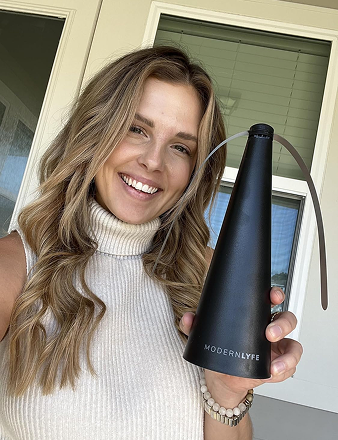
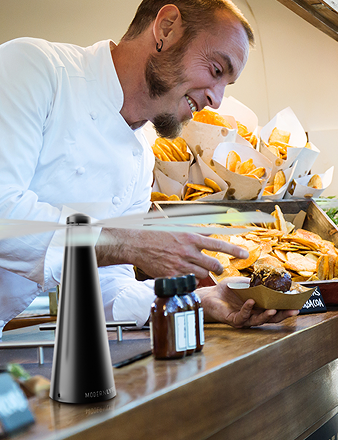
A guest sits down on your patio, likes the menu, and notices flies hovering near the appetizer station. Another guest checks into a hotel for a wedding weekend, finds a comfort issue in the room, and posts about it before checkout. A catering client sees a service miss during setup, mentions it in a group chat, and the complaint reaches future buyers before your team has written a single response.
That's the starting point for reputation management in hospitality. Your reputation is built before the review. It forms in the gap between what a guest experiences, what your staff notices, what your systems catch, and how quickly someone takes ownership.
Online reviews now sit at the center of that process. A 2024 survey reported that 54% of consumers trust online reviews first, ahead of friends and family at 24%, company claims at 18%, and social media influencers and media reviews at 2% each. The same survey found that 77% considered online reviews mostly trustworthy, which is why review visibility and credibility now matter so much in booking and dining decisions (2024 consumer review trust survey from Reputation).
For restaurants, hotels, venues, caterers, and event hosts, good reputation management tips aren't just about writing polished replies. They're operational. Detect signals. Prevent recurring friction. Respond visibly. Document the fix. Then make sure the same issue doesn't hit the next shift, the next event, or the next season.
1. Monitor Online Reviews Across All Platforms
A guest can praise your banquet staff on Google, complain about check-in on Facebook, and post room photos to Instagram before your manager finishes the shift report. If those signals stay separate, your team misses the pattern.
Hospitality feedback rarely lives in one place. Restaurants, hotels, venues, and caterers hear different parts of the guest experience on Google, Yelp, Facebook, TripAdvisor, social tags, and event-specific directories. Guidance from Local Impact points to monitoring multiple review platforms and branded search results because teams that watch only one or two channels miss visible complaints and unresolved questions (multi-platform reputation monitoring guidance from Local Impact).

This is operating system work. Detect the signal, sort it fast, assign an owner, and document what changed.
A practical setup starts with one review queue. One person checks every core channel daily. One shared log records the platform, issue type, location, shift or event date, severity, and follow-up owner. That structure matters because public feedback is rarely just a marketing input. It often points to a repeat service failure, a staffing gap, a listing error, or a handoff problem between sales, events, and operations.
Use categories your team can act on:
- Channel: Google, Yelp, Facebook, TripAdvisor, Instagram tags, event directories
- Issue type: cleanliness, noise, food quality, room comfort, setup timing, staff tone, billing, booking communication
- Owner: front desk, floor manager, chef, housekeeping lead, event captain, sales coordinator
- Status: new, in review, fixed, waiting on guest follow-up, added to training
One review can be an outlier. The same complaint across two platforms usually means the problem is real and visible.
For example, if a wedding venue gets one public complaint about slow bar service and two Instagram story tags about long lines at the same event, the right move is not just to prepare a response. Check staffing levels, bar layout, drink ticket timing, and whether the event captain flagged the issue during service. The review is the signal. The operating fix sits behind it.
Set a review routine your managers can keep:
- Check priority platforms at the start and end of each day
- Turn on notifications for new reviews, tags, and listing edits
- Flag any complaint tied to safety, sanitation, discrimination, billing disputes, or event execution for same-day review
- Log repeat themes weekly and bring them into ops meetings
- Update SOPs, pre-shift notes, or event prep sheets when the same issue appears more than once
There is a trade-off here. Monitoring more channels takes time, and small teams do not have hours to spare. The answer is not to watch everything equally. Watch the platforms that affect bookings, covers, and inquiries first, then add channels where guests post photos, vendor feedback, or event commentary. If you want a broader framework, this Carlos Alba Media reputation guide is a useful companion.
The goal is simple. No review should die as an isolated comment. It should enter a system that helps your team catch friction early, fix recurring problems, and show future guests that feedback leads to visible improvements.
2. Respond Professionally to Negative Feedback
A Saturday wedding ends with a one-star review before your team finishes breakdown. The guest says the ballroom was too warm, the bar backed up, and no one seemed to know who was in charge. At that point, your reply is part guest recovery, part public operations note. Future clients are reading it to judge how your team handles pressure.
A weak response creates a second failure. The original issue stays visible, and the business looks careless, defensive, or absent. A strong response does something different. It confirms the guest was heard, shows that a manager checked what happened, and leaves a record that the problem went back into the operating system.
Public replies should not read like PR copy. They should read like ownership.
Here is the standard to train against:
Thank you for sharing this. I'm sorry the room comfort and bar wait times pulled focus from the event. We reviewed staffing, bar flow, and HVAC settings with the event team after service, and we've adjusted our pre-event checks for similar functions. If you're open to it, please contact our manager directly so we can follow up on the details with you.
That reply works because it does four jobs in a small space. It names the problem. It accepts responsibility without arguing. It signals an internal review. It moves private details offline without hiding the fix.
Use this checklist before posting any negative-review response:
- Name the specific issue, such as delayed check-in, cold food, unclear event coordination, or billing confusion
- Apologize when the complaint is valid
- Mention one real action your team took after reviewing the incident
- Keep the tone calm, even if the review is exaggerated
- Offer direct follow-up for refunds, personal details, or dispute resolution
- Remove filler like “we strive” or “this is not reflective of our standards”
There is a trade-off here. If you say too little, the response feels canned. If you say too much, you risk exposing private details, inviting a back-and-forth, or making promises the team has not implemented. The best middle ground is specific but controlled. Mention the category of fix, not a full internal report.
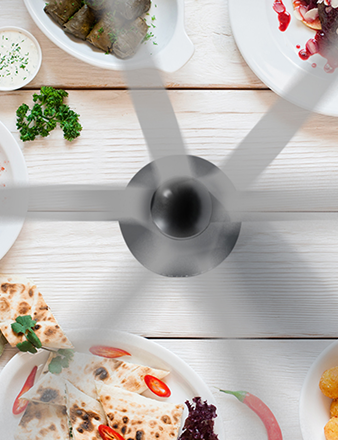
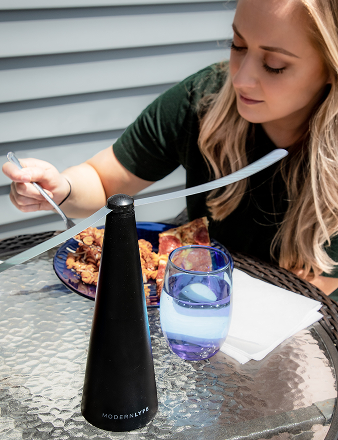
The action named in the reply should match the business type. A hotel might reference front-desk coverage changes or room-readiness checks. A caterer might mention buffet timing, food protection, or staffing at replenishment points. A venue with outdoor dining or event service can say it reviewed table placement and added guest-comfort measures such as Modern Lyfe fly fans.
One rule matters more than tone. Do not post a polished apology for a problem the team has not examined. Guests can spot that. So can staff. The reply is the visible layer, but the credibility comes from what happened behind the scenes after the complaint landed.
3. Showcase Your Product Quality and Innovation
A planner tours your space on Tuesday. By Thursday, they are comparing you with two other venues that serve the same guest count and fit the same budget. The difference often comes down to what they can verify. If your standards stay invisible, buyers fill in the blanks with guesswork.
Reputation management works at the operating level here. Good teams detect what guests notice, build the fix into service, and then document it where future buyers will see it. Product quality is part of that system. Innovation is the proof that your team keeps refining the guest experience instead of repeating the same setup year after year.
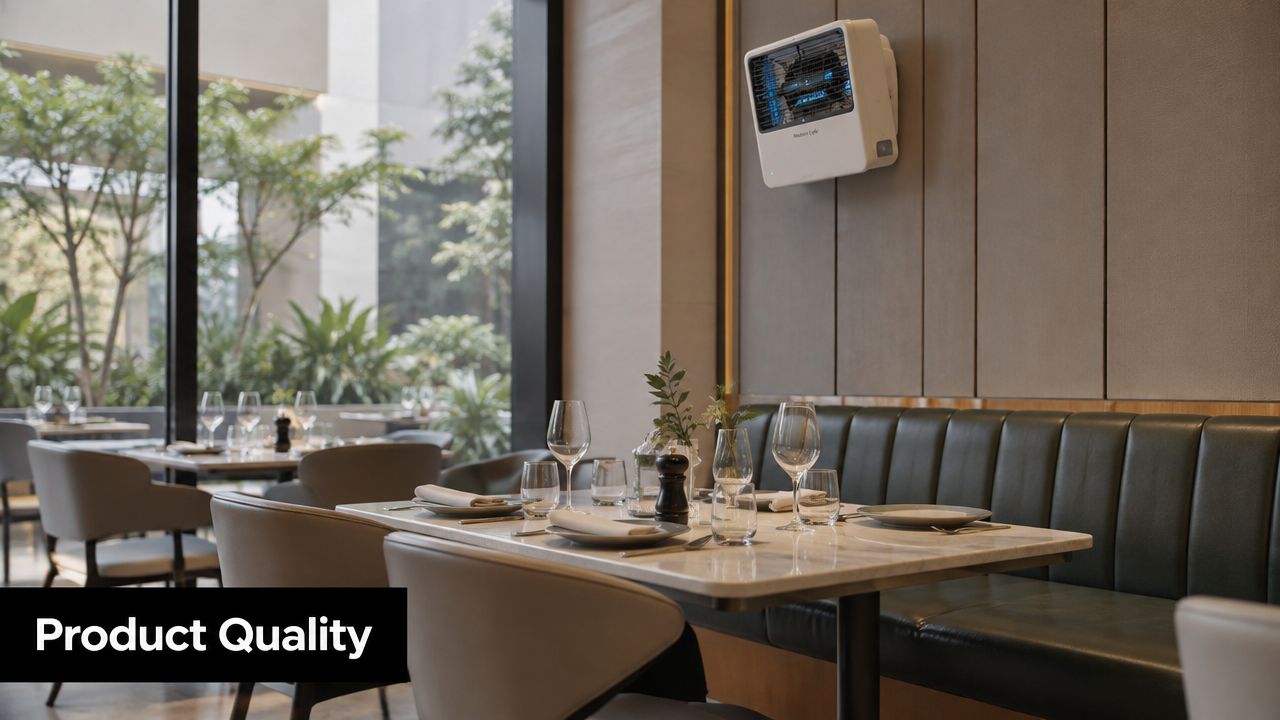
The key is to show choices that solve real service friction. A restaurant can show how patio tables are arranged for airflow and comfort during busy brunch. A hotel can document how outdoor event areas are staged before guest arrival. A caterer can show how food presentation holds up during peak pickup periods, not just in a styled still photo.
That content does two jobs at once. It reassures new buyers, and it gives staff a visible standard to match during service.
Try a simple operating rule. If a guest would mention the detail in a review, a planner would ask about it on a tour, or a manager checks it before every event, it deserves to be shown somewhere public.
Here are four formats that work well in hospitality:
- Setup proof: Before-service photos of patios, buffet lines, bars, host stands, or event spaces once they are fully guest-ready
- Process proof: Short clips of staff resetting stations, protecting food, testing comfort equipment, or walking the room before doors open
- Decision proof: Captions that explain why the team uses a certain layout, service flow, or guest-comfort tool
- Outcome proof: Client comments that mention reliability, comfort, cleanliness, timing, or ease of coordination
There is a trade-off. Polished content can make the property look strong, but if it feels staged or outdated, it creates the wrong expectation. Raw phone footage feels more credible in many cases, especially for planners who want to know what service looks like during an actual event window. Use both. Keep the visual quality high enough to reflect the brand, but current enough to reflect reality.
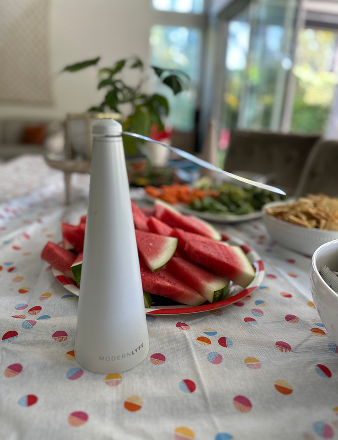
A venue hosting outdoor dinners might post the pre-service walkthrough, table spacing, and comfort measures in place for guests. If the team uses Modern Lyfe fly fans, show them in the dining setup and explain their role in keeping service areas more comfortable. A resort can show how poolside dining stations are protected and replenished. A food truck can show how speed, cleanliness, and presentation hold up during a rush.
Video helps when the experience is visual. This kind of content can support that trust-building work:
One practical test matters. Ask whether the post shows a repeatable standard or a one-off moment. Repeatable standards strengthen reputation because they connect the public promise to the actual operation. That is what buyers trust.
4. Build and Maintain an Active Social Media Presence
A planner reads your reviews, taps through to Instagram, and sees last spring's menu, an old holiday setup, and two unanswered questions under a private-event post. That gap creates doubt fast. Social media is part of the reputation operating system because guests use it to verify whether your standards still hold in real service.
Use the feed to reduce uncertainty before someone calls, books, or walks in. Show what is current. Keep hours, pinned highlights, and event information accurate. Answer public questions where others can see the response. A quiet or outdated account makes buyers do extra work, and extra work costs inquiries.
A useful rule is simple. Post for verification, not vanity.
That changes what the team publishes. A restaurant can show tonight's patio setup, waitlist process, or how staff are handling heat during outdoor service. A venue can post the room reset between ceremony and reception, then save it to a highlight labeled "event flow." A hotel can use Stories to confirm what breakfast, check-in traffic, and common areas look like during a normal week.
The strongest accounts also route signals back into operations. If guests keep asking about parking, dress code, weather backup, accessibility, or outdoor comfort, that is not just content planning. It is friction tracking. Update captions, FAQs, reply templates, and pre-event messages so the same confusion does not keep surfacing in comments and DMs.
Here is a practical workflow hospitality teams can run without adding much overhead:
- Assign one owner per shift or per day to check DMs, tags, and comments
- Save 5 to 7 approved replies for common questions, then personalize before posting
- Flag repeated questions to the manager handling events, front desk, or service
- Remove outdated offers, seasonal dishes, and expired event details from highlights
- Post recent proof of the guest experience at least a few times each week
- Capture both polished assets and current phone footage so buyers can compare promise to reality
If you use Modern Lyfe fans during outdoor dining, buffet service, or guest arrival, show them in the setup guests will experience. A short clip with tables set, airflow visible, and staff working around the equipment gives planners more useful information than a standalone product shot.
Video usually does the best job of proving pace, atmosphere, and service coordination. This explainer on video for reputation gives a good overview of why that format carries so much weight.
One more trade-off matters. Fast replies help, but careless replies create a second problem in public. Set a response window your team can maintain, then document what needs follow-up offline. Social media supports review management by making your standards visible in real time and by catching small reputation leaks before they turn into complaints.
5. Implement Customer Service Excellence Training
A Saturday wedding runs 20 minutes behind. Guests drift from the ceremony space to cocktail hour, the patio feels warmer than expected, and three different staff members give three different answers about what will happen next. That is how a service issue becomes a reputation issue.
Training fixes that only when it works like an operating system. Teams need a clear way to detect friction, respond in the moment, log what happened, and change the standard before the same complaint shows up in reviews again.
The gap is usually not effort. It is repeatability. A market report summarizing physician behavior found a familiar pattern: high concern about satisfaction, low time spent managing public feedback, and little direct response to reviews (reputation management software market summary citing physician behavior). Hospitality teams face the same risk if training stops at general service values instead of specific service decisions.
Here is a more useful way to pressure-test training during real shifts:
1. Start with the moments that trigger public complaints.
Map the points where guests feel uncertainty, discomfort, or inconsistency. Early arrivals. Delayed tables. Patio heat. Buffet backups. Noise complaints. Room-readiness delays. These are the moments staff should rehearse first because they are the moments guests remember in detail.
2. Give frontline staff decision rights, not vague reminders.
Staff need to know what they can fix without waiting for a manager. Can they move a table, offer water, replace a dish, adjust a setup, comp a round, or call for event support? If the answer changes by manager, the guest experience changes by shift.
3. Standardize the words guests hear.
A host, server, banquet captain, and front desk agent should not invent four versions of the same explanation. Write short scripts for common pressure points, then practice them out loud. Teams can use staff training materials for hospitality service standards to build those response guides around actual guest interactions.
A few scripts do more work than a long handbook:
- “Your table is not ready yet. We expect about 12 minutes. I can seat you inside now or keep you first for the patio.”
- “We have already asked the event team to adjust the setup. I will update you in five minutes so you are not left guessing.”
- “I can solve part of this now, and I am bringing my manager in for the part that needs approval.”
Use drills, not just orientation. Run a ten-minute pre-shift exercise with one realistic scenario and one required outcome: the guest gets a clear answer, the issue gets logged, and the next staff handoff stays consistent.
One example: if outdoor comfort complaints keep appearing, training should include who checks the space before service, what staff should say when guests raise the issue, what adjustments are available on site, and where the team records repeat friction for managers to review later. That turns reputation management into operations, not cleanup.
Manager check: ask three employees how they would handle the same complaint. If the guest would get three different answers, the standard is still missing.
6. Create Compelling Case Studies and Testimonials
A planner is comparing three venues after a difficult event season. All three claim attentive service. One of them shows what changed after repeated guest complaints, who owned the fix, and what the client noticed on event day. That venue gives the buyer something usable.
That is the job of a case study in hospitality. It should help the next guest or event host answer a practical question: if something goes wrong, does this team detect it, correct it, and keep the experience on track?

Skip generic praise. Publish proof of how your operation works under pressure.
The strongest testimonials usually include four details:
- the service context, such as a wedding weekend, patio dinner rush, or multi-day corporate event
- the friction point, such as setup delays, weather exposure, noise, staffing confusion, or food presentation concerns
- the visible response, including what staff changed and how quickly
- the guest outcome, in the client's own words
This section matters because reputation management works like an operating system. Reviews flag the signal. Staff fixes address the friction. Case studies document the improvement so future buyers can see that the issue was handled, not ignored.
Here is the format I would use:
What happened
Name the scenario in one or two lines.
What changed operationally
Describe the adjustment. Be specific about timing, staffing, communication, setup, or service flow.
What the guest noticed
Use a short quote that reflects the client experience, not your marketing language.
What your team kept
If the fix became standard practice, say that too. That shows the improvement stuck.
A good example sounds like this: after several outdoor reception complaints about guest comfort near sunset, the venue reassigned one setup check to the banquet lead, added a pre-event weather review to the planner call, and gave staff a clear escalation point during service. The client testimonial then confirms the result: guests stayed comfortable, the timeline held, and the couple did not have to manage the issue themselves.
That does more work than “amazing service.”
For teams building a library, review these testimonial examples for hospitality and service businesses. Use them to tighten the structure, then collect stories by service type, event size, season, and recurring concern.
A practical rule: if a testimonial could apply to any restaurant, hotel, caterer, or venue, it is too vague to strengthen reputation. If it shows how your team handles real friction and what changed afterward, publish it.
7. Be Transparent About Your Practices and Standards
A guest asks a simple question before booking the patio reception. What happens if wind picks up during dinner, how is food protected, and who makes the call if conditions change? If the answer depends on which manager picks up the phone, your reputation system has a gap.
Transparency matters because it turns internal standards into visible guest confidence. In hospitality, that means publishing the parts of your operating system that affect comfort, timing, cleanliness, setup quality, and service decisions. Guests do not need your full SOP binder. They need clear answers before arrival, during service, and after a problem.
Use a visibility test. If a standard shapes the guest experience, put it somewhere the guest or client can see it.
For example:
- A restaurant can list patio comfort measures, reservation policies, and food-handling practices on the booking page.
- A venue can spell out setup timing, rain contingencies, vendor access rules, and service cutoffs in the event packet.
- A hotel can give front desk and sales staff one approved answer for common questions about housekeeping timing, noise, parking, and event support.
- A caterer can document who owns setup checks, replenishment timing, and on-site escalation during service.
This is less about disclosure and more about consistency. Public standards help guests know what to expect. They also help staff answer the same question the same way at 10 a.m. in a sales call and at 7 p.m. during a live event.
One practical rule works well here: publish promises your team can keep on a busy Saturday.
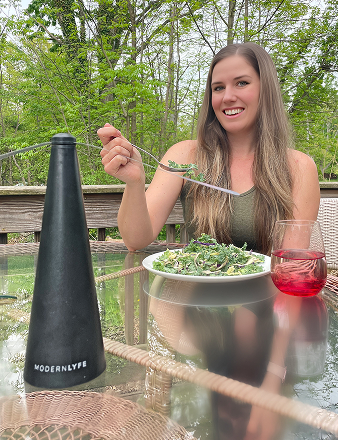
If a past complaint led to a real fix, make that fix visible. Say what changed. If you added guest-comfort equipment such as Modern Lyfe fly fans for outdoor tables or buffet lines, include that in the service standard. Present it as an operating choice that reduces guest friction, not a sales line.
Good transparency leaves a paper trail. Website copy, proposal language, pre-event documents, signage, and staff scripts should match. When they do, reputation management stops being a response task and starts working like operations control.
Guests trust standards they can confirm before they book and experience again on site.
8. Proactively Address Potential Issues Before They Become Problems
Saturday at 6:45 p.m., the host stand is backed up, an event guest cannot find the right entrance, and a server is explaining the same patio issue for the third time. By the time that complaint shows up in a review, the operational miss already happened.
Proactive reputation management works like an operating system. It catches signals early, routes them to the right owner, and turns one-off complaints into documented fixes.
The work usually starts before service gets busy. Managers should review the last round of low-star reviews, event notes, maintenance tickets, and front-desk questions together, then ask one blunt question: what is likely to break again this month?
A useful rhythm looks like this:
- 7 days before a busy stretch: review recurring friction by shift, event type, or season
- 48 hours before: confirm supplies, staffing, signage, equipment, and weather backups
- During service: log small guest frustrations before they become public complaints
- After service or the event: assign one owner, one fix, and one deadline for each repeated issue
This approach matters because reputation problems rarely start online. They start in parking flow, odor control, buffet protection, restroom checks, delayed room turnover, unclear event setup boundaries, or a staff handoff that nobody documented.
One example: outdoor service complaints often show up as "bad atmosphere" or "poor planning" in reviews, even when the root cause is practical. Pest activity, heat, or stagnant air can undo an otherwise solid event. Teams that want fewer avoidable complaints should build prevention into setup standards, including basics covered in this guide on how to prevent pest problems.
The trade-off is simple. Preventive checks take time before service. Public complaint recovery takes more time, costs more goodwill, and usually pulls a manager into damage control during peak hours.
For fast-moving public issues, set an escalation rule before you need it. If a complaint starts spreading on social, the person running service should not also be deciding messaging on the fly. This outside resource on Instagram crisis management advice is useful for teams that need a clearer handoff between operations and marketing.
A practical test works well here: if the same guest complaint appears twice, stop treating it as a one-off. Add it to the pre-shift brief, assign a fix, and check whether the change holds on a busy night. That is how reputation management shifts from response work to operating discipline.
8-Point Reputation Management Comparison
| Strategy | 🔄 Implementation Complexity | ⚡ Resource Requirements | 📊 Expected Outcomes | 💡 Ideal Use Cases | ⭐ Key Advantages |
|---|---|---|---|---|---|
| Monitor Online Reviews Across All Platforms | Moderate, setup of tools and workflows | Moderate, review management tools + staff time | Faster issue detection; improved response times | Multi-location restaurants, hotels, catering services | Protects reputation; builds trust ⭐⭐⭐ |
| Respond Professionally to Negative Feedback | Low–Moderate, templates + training needed | Low, staff time; possible escalation channels | Higher recovery rate; fewer repeat complaints | Event venues, restaurants, hotels after incidents | Converts critics; shows accountability ⭐⭐⭐⭐ |
| Showcase Your Product Quality and Innovation | Moderate–High, ongoing content program | High, content production, design, marketing | Strong brand differentiation; better customer perception | Upscale restaurants, boutique hotels, event venues | Drives differentiation and social proof ⭐⭐⭐⭐ |
| Build and Maintain an Active Social Media Presence | Moderate, consistent scheduling and engagement | Moderate–High, content, community manager | Increased visibility; direct customer engagement (variable reach) | Boutique hotels, catering, food trucks, venues | Organic reach and rapid correction of misinformation ⭐⭐⭐ |
| Implement Customer Service Excellence Training | High, program design, rollout, reinforcement | High, training costs, time, ongoing refreshers | Consistent guest experience; fewer reputation issues over time | High-touch hospitality, hotel chains, fine dining | Prevents issues; builds loyalty and consistency ⭐⭐⭐⭐ |
| Create Compelling Case Studies and Testimonials | Moderate, customer coordination + production | Moderate, video/photo production, permissions | Credible social proof; higher conversion rates | B2B event sales, hotels, restaurants showcasing results | Highly persuasive and repurposable content ⭐⭐⭐ |
| Be Transparent About Your Practices and Standards | Low–Moderate, documentation and disclosure | Low–Moderate, materials, website updates | Increased trust; fewer hygiene-related surprises | Health-conscious venues, catering, outdoor vendors | Differentiates by building guest trust ⭐⭐⭐ |
| Proactively Address Potential Issues Before They Become Problems | High, audits, preventive programs, investments | High, equipment, maintenance, audits | Fewer crises; long-term cost savings and reputation stability | Seasonal operations, high-volume venues, chains | Prevents crises; long-term competitive advantage ⭐⭐⭐⭐ |
Turn Feedback Into Your Next Standard
The most useful reputation management tips aren't glamorous. They're repeatable.
Monitor reviews and social channels every day. Route issues to one owner. Respond with empathy in public. Record what changed behind the scenes. Then bring recurring themes into team check-ins so complaints turn into better standards instead of recycled apologies.
That operating rhythm matters because hospitality reputation is cumulative. A single review can influence future bookings, but patterns matter more. If guests keep mentioning patio comfort, inconsistent service language, unclear event communication, or food presentation issues, your job isn't just to answer the review. It's to remove the reason the next guest would write the same thing.
Pick one preventive improvement and make it visible. That might mean updating hygiene language on your website, running complaint-handling role-play with the front-of-house team, tightening event setup checklists, or improving outdoor dining comfort with table-level tools such as Modern Lyfe fly fans. Then document the change. Save before-and-after photos. Keep a staff note on the new procedure. Watch how the feedback shifts across reviews, messages, and post-event comments.
A lot of teams get stuck. They respond, but they don't log. They apologize, but they don't retrain. They buy a tool, but they don't explain the standard it supports. Good reputation work connects all of it. Reviews, staff behavior, listing accuracy, guest communication, and physical setup should reinforce the same promise.
A strong hospitality reputation isn't built by one polished response from a manager after hours. It's built during service, before guests post, while staff still have time to fix the experience. That's why the best operators treat reputation management as an operating system. Detect signals early. Prevent recurring friction. Respond visibly. Document improvements. Repeat.
If you're responsible for a restaurant, hotel, venue, catering company, or event-hosting business, start smaller than you think. Choose one recurring pain point. Assign one owner. Build one response script. Make one visible operational fix. Consistency will do more for your reputation than volume ever will.
MODERN LYFE offers fly fans designed for restaurants, hotels, caterers, event hosts, and outdoor dining setups where guest comfort and food presentation directly affect reviews. If you're tightening your hospitality standards and want a practical way to support cleaner, more comfortable service environments, visit MODERN LYFE.