You walk into the kitchen and spot a few fruit flies circling the bowl on the counter. Then you hear a soft scratch from the pantry wall, and suddenly the problem doesn't feel small anymore. That's the point where residential pest management stops being about one visible bug and starts being about the conditions inside the home that keep inviting pests back.
The modern answer isn't spray first, ask questions later. It's Integrated Pest Management, or IPM, a layered way of thinking that uses prevention, monitoring, and precise control instead of hoping one product fixes everything. That shift matters because pest pressure in homes is widespread, and it's expensive to ignore, which is part of why the U.S. pest control market grew from an estimated $14.3 billion in 2012 to over $24 billion in 2023 according to Census Bureau reporting.
Practical rule: If you can change the conditions that attract pests, you usually reduce the need for aggressive treatment.

What Residential Pest Management Really Means Today
A homeowner notices a few roaches near the dishwasher, then spots a mouse dropping in the pantry. The instinct is usually to reach for a spray or a trap and call it done, but that only treats the symptom. Pests show up where a home gives them food, water, warmth, and a way in.
Modern residential pest management works like a layered defense, the way a house uses a roof, locks, and weather sealing together instead of relying on one fix. First you make the space less inviting, then you watch for early signs, then you use the smallest effective control. That approach matches the EPA's Integrated Pest Management framework, which centers on monitoring, prevention, and targeted control EPA IPM principles.
The scale of the issue makes that shift easier to understand. The Census Bureau reported that about 14 million of roughly 124 million occupied housing units saw cockroaches in the prior 12 months, and nearly 14.8 million reported seeing rodents Census Bureau pest data. That is not a rare corner case. It shows up in kitchens, attics, crawl spaces, garages, and especially in places where homes share walls, pipes, or ventilation with other units.
A better way to read pest problems is to treat them as a stress test for the home. A gap under a door, a box of trash left in the garage, a leaking pipe behind a cabinet, or a cluttered storage area can matter more than any product stored under the sink. If you have cleaned a surface and seen the same pests return soon after, you have already seen why spray-first thinking falls short.
The four pillars in plain language
- Prevention first, close the openings pests use and remove the food and water they rely on.
- Monitoring, watch for early signs before the problem spreads.
- Targeted control, choose the least disruptive tool that fits the actual pest and the actual location.
- Evaluation, check whether the fix worked and adjust if it did not.
That is what effective residential pest management really means. It is less about reacting to whatever shows up in the open and more about changing the conditions that let pests settle in, especially in homes where small failures in sealing, storage, or moisture control create repeat problems. For households that want help with the cleaning side of that work, our residential cleaning service can remove the residue, clutter, and hidden debris that make pest pressure harder to control.
The Most Common Household Pests and Why They Show Up
Most household pests are not trying to “invade” in a dramatic sense. They're just following the same logic every living thing follows, find food, water, shelter, and a place to reproduce. Once you look at them that way, the patterns get easier to read.
Cockroaches usually show up near moisture, grease, food residue, and dark cracks. Rodents favor warmth, nesting material, and tiny openings that connect outdoors to walls, attics, or storage areas. Ants are often drawn to crumbs, pet food, and wet spots around sinks or appliances. Flies gather where food is exposed or waste isn't managed well, while mosquitoes need standing water nearby. Spiders often follow other insects, bed bugs travel with luggage and used furniture, termites target wood, and stinging insects build nests near eaves, yards, and roof edges.
A home doesn't need to be filthy for any of these to appear. A single leak, an unsealed pantry, or clutter in a garage can create the conditions they need. That's why a good inspection looks beyond the pest itself and asks what made the environment workable in the first place.
For a more practical home reset, some homeowners pair pest observation with a thorough cleaning pass. A structured service like our residential cleaning service can help remove food residue, clutter, and hidden debris that make pest pressure worse, especially in kitchens, laundry rooms, and storage areas.
Common Household Pests at a Glance
| Pest | Common Sign | Primary Attractant | Key Risk |
|---|---|---|---|
| Cockroaches | Droppings, shed skins, night activity | Food residue, moisture, warmth | Contamination concerns |
| Rodents | Scratching, droppings, gnaw marks | Shelter, nesting material, food | Property damage, contamination |
| Ants | Trails near counters or windows | Crumbs, pet food, moisture | Ongoing indoor nuisance |
| Flies | Buzzing near trash or fruit | Exposed food, waste, organic debris | Disease transmission concerns |
| Mosquitoes | Biting outdoors or near doors | Standing water | Bites and outdoor disruption |
| Spiders | Webs, sightings in corners | Other insects, shelter | Unwanted indoor presence |
| Bed bugs | Bites, spotting on bedding | Travel, used furniture, human activity | Sleep disruption and spread |
| Termites | Wood damage, frass, swarmers | Wood and moisture | Structural damage |
| Stinging insects | Nests under eaves or in yard areas | Shelter and food sources outdoors | Stings and nesting hazards |
The species list matters, but the bigger question is always the same. What is this pest getting from the home that it can't get somewhere else?
How Integrated Pest Management Works in Practice
A kitchen counter with a few crumbs, a damp cabinet under the sink, and a gap behind a dishwasher can look harmless to a homeowner. To a pest, it can read like a clear invitation. Integrated Pest Management, or IPM, works by treating the home as a system, then correcting the conditions that let pests settle in instead of reaching for spray first. A short overview in this IPM guide can help make the framework easier to picture before you start applying it at home.
The first decision is set action thresholds. That means deciding what level of activity calls for action, because a single ant in the garage does not carry the same weight as a trail moving through the kitchen every morning. A homeowner in a house, and a resident in a multi-unit building, may also need different thresholds, since one apartment's problem can be fed by shared walls, plumbing chases, or trash areas that everyone uses.
The next step is monitor and identify. A flashlight under the sink, sticky traps near appliances, or a few clear phone photos can tell you whether the problem is ants, roaches, rodents, or something else entirely. Identification matters because the wrong response wastes time, and the wrong product can leave the source untouched. The EPA describes IPM as a combined, risk-based system built around those monitoring and decision steps, and EPA IPM principles lays out that approach in plain terms.

The best pest decision is usually the one you can justify with evidence from the home, not frustration in the moment.
What the workflow looks like at home
- Set action thresholds, so repeated sightings in a pantry or along a baseboard matter more than a single bug near an exterior door.
- Monitor and identify, using traps, photos, and inspection notes to confirm the pest and trace where it moves.
- Prevent, by sealing entry points, removing attractants, and making the space harder to use.
- Control, when needed, with the least broad method that targets the actual pest.
The video below gives a visual walkthrough of the same cycle.
The strength of IPM is that it behaves like a feedback loop, not a one-time purchase. If traps catch activity in one room but not another, the placement changes. If sealing a gap reduces sightings, the home is telling you the prevention step is working. If you want to browse eco pest control methods, the same logic applies, choose the smallest intervention that fits the pattern you found.
Exclusion and Sanitation That Stop Pests Before They Settle In
A kitchen can be spotless and still invite pests if a gap is doing the work of a doorway. That is why physical exclusion often solves more than people expect. A mouse does not need an open garage door, because a hole about the size of a dime can be enough for entry, and tiny gaps around windows, doors, pipes, siding, vents, and foundations deserve attention first gap-sealing guidance. One overlooked utility penetration can let pests in even when the home looks sealed from the street.
The EPA's housing-manager guidance turns broad advice into repairs a homeowner can check off. Broken screens, doors that do not close fully, vent covers, and holes in walls should be fixed quickly. Leaking pipes, dripping faucets, clogged drains, and standing water need the same urgency, because moisture often turns a minor nuisance into a repeat infestation EPA housing manager guidance.
A small repair can change the whole pattern. A loose screen gives flies a landing pad, while a damp cabinet under the sink can keep ants, cockroaches, and other moisture-seekers returning to the same spot. In multi-unit housing, these issues can be even harder to sort out, because one unit's leaky pipe or trash habit can affect the neighbors next door. That is why prevention has to be precise, not just reactive.
The quickest wins around a home
- Seal cracks and gaps, especially at foundations, pipes, and exterior joints.
- Install door sweeps and weatherstripping, so pests do not use the gap under a door.
- Repair screens, because torn mesh is an open invitation to flies and crawling pests.
- Store food properly, including pet food and bird seed, in pest-proof containers or the refrigerator.
- Manage trash nightly, keep cans tightly lidded, and remove or seal garbage at night.
- Clear standing water, then check for slow drains and gutter clogs.
The EPA's IPM-in-buildings checklist also recommends cleaning recyclables before storing them and removing debris from gutters EPA IPM in buildings. Those details sound small, but pests use small details. A grease film on a can, a damp corner under a sink, or a loose screen at the garage can keep feeding the same problem.
For homeowners who prefer lower-toxicity approaches, browse eco pest control methods to see how targeted prevention and careful product selection can fit into a precision-first routine. The same approach also helps with everyday nuisance insects. If flying pests keep showing up near fruit bowls, sink drains, or pet food stations, a targeted habit change can matter more than a spray, and a practical guide like how to control flies around the home fits that kind of prevention-first thinking. The main idea is simple, pests should be blocked and starved before anyone reaches for a spray.
Monitoring and DIY Controls That Work Without Overusing Pesticides
A homeowner hears scratching in the pantry wall at night, opens a cabinet, and sees no obvious damage. The usual reflex is to spray the area and hope for the best. That reaction feels active, but it is closer to turning on a hose in a dark room. You may hit something, but you still do not know where the problem starts.
Monitoring gives the home a kind of checkup. Sticky traps can show where roaches or other crawling insects are moving. A flashlight inspection under appliances can reveal droppings, shed skins, or nesting debris that would otherwise stay hidden. Pheromone traps can confirm activity for certain insects, and simple phone photos help track whether the problem is growing, shrinking, or shifting to another area.
A quick read of the pattern often matters more than the product. The EPA's guidance on EPA IPM principles points toward prevention and targeted control because early identification changes what you do next. In kitchens and dining spaces, a small issue can become a routine one if crumbs, moisture, or pet food stay available.
Precision tools that earn their place
A few tools fit this approach better than broad spraying:
- Baits and gels, useful for certain ants and roaches when placed where they travel.
- Traps, useful for confirming activity and reducing numbers without spraying surfaces.
- Exclusion devices, useful for keeping rodents out of specific access points.
- Diatomaceous earth, useful in some dry, targeted applications when used correctly.
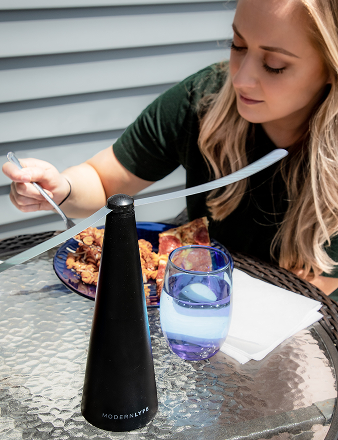
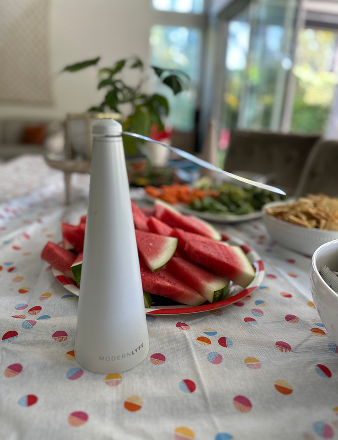
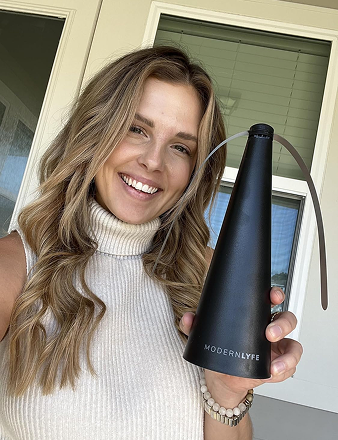
- Battery-operated fly fans, useful around dining tables, patios, and buffet setups where flies are a nuisance but broad spraying would be a poor fit.
That last tool matters in homes that host meals outdoors or deal with open serving areas. A quiet fan can keep flies away from food and guests without leaving residue on surfaces, which fits a prevention-first routine better than a spray that lingers where people eat. For a closer look at that kind of approach, see non-toxic fly control methods.
A small trap on the back of a cabinet, a bait placed in a travel lane, or a fan aimed at a serving table often solves more than a hurried spray ever will. The point is to match the tool to the pest and the place it is active, then leave the rest of the home alone.
Practical rule: If you do not know where the pest is active, start with a flashlight, a trap, or a photo, not a product.
The goal is not to avoid every intervention. It is to use the smallest tool that solves the actual issue, instead of building a pesticide habit around every sighting.
Safe and Targeted Pesticide Use When Treatment Is Necessary
Pesticides still belong in the home toolbox sometimes, but they work best when they're used like precision tools, not general-purpose cleaners. The EPA says the pesticide label is the best guide for safe and effective home use, and that means reading it before the container is opened, not after the application is done EPA household pesticide guidance.
The label also sets the limits. Use only the amount recommended. Limit applications to infested areas. Never use outdoor pesticides indoors. Avoid treating entire floors, walls, or ceilings. Keep people and pets away until the label says the area is safe to re-enter. Those rules matter more, not less, in homes with children, pets, or food prep areas.
Choosing the right type of treatment
Broadcast spraying covers a broad area, which is why it carries more exposure risk when used carelessly. Crack-and-crevice treatments narrow the application to the actual travel route or harborage area, which usually fits better with an IPM approach. Bait stations are even more targeted when the pest and the placement are matched correctly.
A simple safety routine
- Read the label fully, because the product name isn't the instruction.
- Match the product to the pest, not just to a general category like “bugs.”
- Apply only where it's needed, especially near cracks, voids, or infested spots.
- Wait for the re-entry time, then ventilate and clean only as directed.
For homeowners comparing tools, 100 food-grade diatomaceous earth options is a useful starting point for understanding one of the more common dry, targeted approaches. The larger point is that safer use usually means narrower use. More product is not the same thing as better control.
A 12-Month Seasonal Plan for a Pest-Resistant Home
A pest-resistant home does not follow the calendar perfectly, but weather, moisture, and access points shift in patterns you can use. A damp spring basement, a summer patio with food scraps, a fall gap under a door, or a warm winter utility chase each gives pests a different opening. The homeowner's job is to notice which opening is most likely in each season, then close it before pests settle in.
Spring is the time to walk the outside of the house with a sharp eye. Look for gaps in siding, torn screens, loose trim, and any opening around pipes or cables where overwintered pests may already be waiting inside wall spaces or basements. Summer changes the job. Flies, mosquitoes, and stinging insects often cluster around trash, outdoor eating areas, and standing water, so cleanup around those spots matters more than broad treatment.
Fall is the season for exclusion. Rodents start hunting for warmth and shelter, and a house that felt tight in July can still have small access points around the foundation, garage, or attic. Winter shifts the focus indoors, where hidden activity is easier to miss because pests stay close to heat, food, and moisture. That is when traps, inspection, and quick repairs do more than a casual spray ever could.
A seasonal checklist from Pine Country Window Cleaning can fit neatly into this kind of routine if you already like to group home tasks by season. Pest prevention works the same way, because a torn screen, a clogged gutter, or a small leak is easier to fix before it starts serving as shelter.
A practical home rhythm
Spring is the season for inspection. Check siding, screens, and utility penetrations, then correct any opening that gives pests a path inside.
Summer is the season for sanitation outdoors. Clean food residue around patios, bins, and entertaining spaces, and do not let spilled drinks or greasy waste sit long enough to become a feeding spot.
Fall is the season for sealing and clearing. Close rodent entry points, reduce clutter in garages and storage areas, and make sure leaves or debris are not hiding gaps near the foundation.
Winter is the season for monitoring. Watch traps, inspect warm zones, and look again at any gap that was easy to miss in better weather.
That rhythm works because each season exposes a different weak point in the home. A house that stays sealed, dry, and monitored gives pests far fewer chances to spread from a crack into a larger problem. In apartments and other multi-unit buildings, the same plan matters even more, because a gap in one unit can become a shared route through walls, ceilings, and utility chases. Consistent residential pest management is less about reacting to every sighting and more about keeping the home from becoming easy to enter, easy to feed in, and easy to stay in.
When to Call a Professional and How to Choose Wisely
You notice a few ants in the kitchen, clean up, and they vanish. A week later they are back near the sink, then along a baseboard, then inside a cabinet. That is the point where do-it-yourself care starts to look less like a fix and more like a temporary pause.
DIY works well when the problem is small, visible, and contained. It breaks down when pests return after treatment, when activity spreads between rooms, or when the pest itself brings structural or health risk. Termites and bed bugs are the clearest examples, and rodents, recurring cockroaches, or infestations moving through shared walls can also push the issue past what a homeowner can handle alone.
Multi-unit housing deserves special attention because one unit rarely stands alone. If pests are moving through neighboring walls, ceilings, or utility chases, the response has to be coordinated across apartments or adjacent homes, like stopping a leak that has already reached several floors instead of drying one patch of carpet. Housing-focused IPM research also points to system-level tactics, standard expectations, more time for chronic units, inspections of adjacent apartments, and repeated resident education as more effective than relying on one-time treatment alone housing IPM research.
Bottom line: If the pest problem crosses walls, keeps coming back, or raises exposure concerns, a pro should bring structure, not just a spray bottle.
What to look for in a service
- IPM-based methods, not just routine spraying.
- Written inspection reports, so you know what was found and where.
- Clear re-treatment thresholds, so follow-up is not vague.
- Treatment records, so future residents or buyers can see what changed.
- Coordination for multi-unit buildings, when the home shares walls or systems with others.
A good service should explain what it found, what it plans to change, and how success will be checked. That matters because prevention, monitoring, and targeted control belong together, and a home still needs sealing, sanitation, and follow-up checks after treatment. The same approach is reflected in modernlyfe.com, where practical pest control is framed around reducing the conditions that let pests keep returning.
Choose the option that changes the home itself, not just the surface symptom. A call to MODERN LYFE at modernlyfe.com makes sense when you want a practical, physical way to reduce fly pressure around food and gatherings while you keep the rest of the home on an IPM footing.