You're setting tables before the first guest walks in, checking the patio layout, and hoping the weather, the staff, and the equipment all cooperate. That's exactly where risk management strategies earn their keep, because hospitality rarely fails in one dramatic moment. It fails in small, preventable ways, like a missed pest hotspot near the buffet, a fan left in the wrong place, a supplier delay, or a staff member who wasn't trained to spot the problem early.
The strongest operators don't wait for the day to unravel. They identify the hazards, layer in controls, document what's happening, train the team, and keep improving the playbook. That shift from reactive cleanup to proactive prevention is what turns an ordinary venue into a reliable one. If you're planning an outdoor wedding, running a café patio, or managing a hotel banquet, this is the kind of work that protects the guest experience before anyone notices a flaw. For event planners who need a tighter front-end plan, the PlanSeats event planning guide is a useful companion.
1. Hazard Identification and Assessment
The first move is simple, but too many teams rush past it, identify what can go wrong in your space. In hospitality, that means looking beyond obvious food handling issues and spotting pest entry points, equipment blind spots, wind exposure at outdoor events, and layout choices that make flies more likely to gather around food.
A practical assessment starts on the floor, not in a spreadsheet. A restaurant manager should walk the dining room before lunch service, check doorways, inspect buffet ends, and note where a fly fan would do real work instead of decorative work. A wedding planner should do the same at the venue, especially near dessert displays, bar setups, and uncovered service stations.
Build the checklist around your venue
The checklist has to fit the site, not a generic template. A rooftop cocktail hour needs a different inspection than a food truck window or a resort breakfast buffet. Track what you find in one place so recurring issues don't get buried in shift notes.
Practical rule: assess during the hours when the room is busiest, because that's when weak points show up fastest.
Use a documented checklist, schedule assessments around peak pest seasons, and combine Modern Lyfe fly fans with screens, waste control, and smart placement. A manager who records the same issue three Fridays in a row has already found a trend, not just a one-off annoyance.
2. Prevention and Control Measures
Prevention works best when it's layered. One fan won't solve a messy workflow, and one clean-down won't solve a poor patio layout. The goal is to reduce the chance of pest activity reaching guests in the first place, while making the environment harder for flies to settle near food.
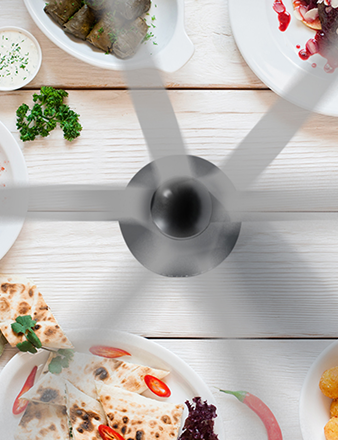
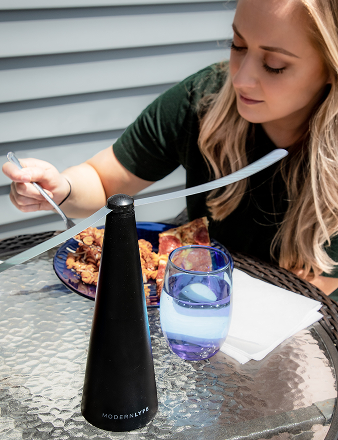
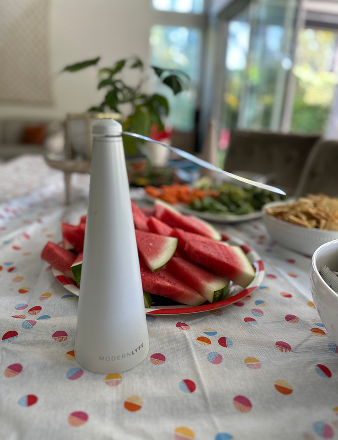
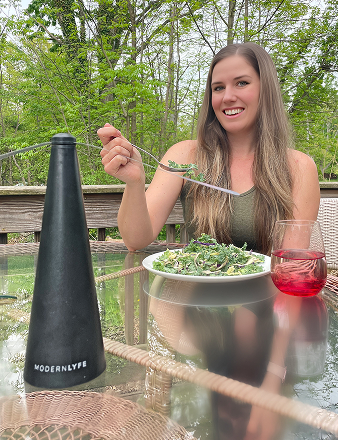
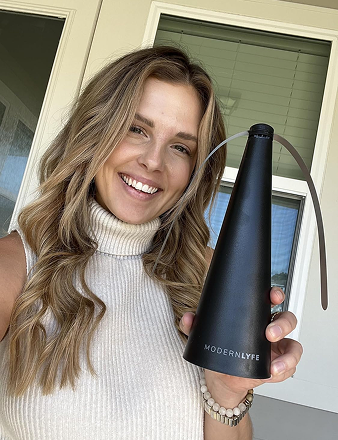
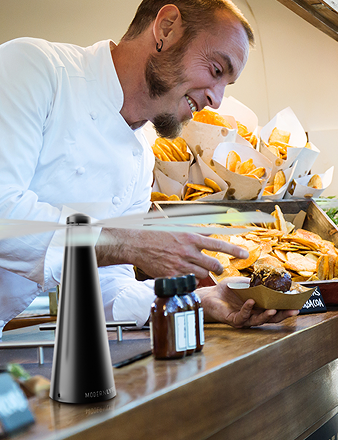
Modern hospitality operators need controls that are visible to staff but unobtrusive to guests. That's where Modern Lyfe's approach fits well, because fly fans can sit at buffet lines, outdoor tables, and service stations without making the setup feel heavy or industrial. The right placement supports the broader hygiene routine instead of replacing it.
Use layers, not single fixes
A fine-dining room can pair fans with sealed HVAC systems and regular facility checks. A caterer can use fans at outdoor receptions while keeping strict food handling standards in place. A hotel banquet team can run fans at every buffet station and still maintain sanitation schedules, because prevention only holds when the basics stay tight.
- Place fans at entry points and food-heavy zones: Focus on doors, patios, buffet ends, and dessert tables.
- Train staff on placement: A fan in the wrong spot creates a blind spot.
- Fold fan use into opening and closing routines: If it isn't in the checklist, it'll get skipped.
- Adjust to activity patterns: High traffic and changing weather can shift where flies gather.
For a closer look at how layered control fits into a broader sanitation approach, the internal guidance on integrated pest management is worth reviewing. In practice, the win comes from consistency, not novelty.
3. Documentation and Record-Keeping
If it isn't documented, it's hard to defend, hard to improve, and easy to forget. In hospitality, records prove that the team did the work, and they also show whether the work is paying off. That matters for compliance, guest confidence, and operational memory.
The cleanest teams keep records simple. Daily fan checks, pest observations, guest comments, maintenance notes, and event-specific setup details should live in a shared system, not on loose paper at the back of a prep desk. A wedding planner can use the same discipline to compare fan deployment from one event to the next and see which setup produced fewer guest complaints.
Make the record useful, not decorative
A record system only helps if people will use it during a rushed shift. Digital forms or basic apps usually beat long manual logs because they're faster, clearer, and easier to review later. Keep the fields short, specific, and relevant to the actual hazard.
The best log is the one a manager can read in two minutes and act on before the next service.
Include Modern Lyfe fan operation in daily checklists, review trends monthly, and make documentation part of the safety culture rather than a punishment tool. Food truck operators can use the same approach to spot seasonal pest patterns by route or venue. For broader hygiene alignment, the internal hygiene compliance resource helps connect daily records to food safety expectations.
4. Staff Training and Competency Development
A risk plan only works when the team can carry it out during a busy shift. In hospitality, training is what turns written procedures into habits at the front desk, on the floor, in banquet service, and in the kitchen. If the people on duty do not know what to watch for and what to do next, the plan stays on paper.
Good training starts with the actual service environment. Staff need to know where fans or other low-profile controls belong, why placement matters, and how that setup changes near buffet lines, open doors, patio seating, and service corridors. A new hire should see the actual equipment, not just hear about it in orientation.
Make competence visible
Use short setup guides with photos, not a thick manual that gets ignored after onboarding. Show each role how to inspect the fan, confirm placement, and flag a problem before service slips. Then reinforce the process with regular toolbox talks that reflect current conditions, such as heavier patio traffic, warmer weather, or a change in venue layout.
Competence should show up in day-to-day behavior. Managers need to see whether staff can place equipment correctly, spot when coverage has drifted, and speak up without waiting for a complaint. That matters even more in mixed service environments, where a banquet team may be working beside a restaurant crew or a catering crew may be moving between sites with different exposure points. For teams handling health-sensitive environments, reviewing how to mitigate bloodborne risks in healthcare can inform stricter hygiene protocols for food service staff.
The strongest teams also create a feedback loop from the floor. A server who notices flies building up in one patio section night after night may be seeing a placement issue before management catches it. That kind of observation is practical risk management, and it often costs less than fixing a recurring guest complaint later.
Training should also connect to broader hygiene standards. A staff member who understands how daily cleaning, hand hygiene, and equipment checks fit together will follow the process with more consistency, and the internal hygiene compliance guide can help anchor that message in everyday operations.
When people understand the reason behind the procedure, they stop treating pest prevention as one more task. They start treating it as part of guest service, which improves execution without making the operation feel rigid.
5. Technology Integration and Monitoring
Technology should make risk easier to see, not harder to manage. In hospitality, the best tools are the ones that fit into the normal rhythm of service, give you better visibility, and don't distract the guest. That's why simple digital logs, property-level tracking, and smart equipment work better than overly complex systems that staff never fully adopt.
A hotel group can track where fly fans are used most often across properties and notice which event setups need more coverage. A restaurant can tie pest sightings to fan placement and compare results by shift or season. A caterer can do the same across venues, because one ballroom may behave very differently from an open-air terrace.
Keep the data lightweight and usable
The point isn't to build a giant dashboard. The point is to capture just enough information to guide smarter placement and faster response. A basic spreadsheet or venue system can record where each fan went, when it was checked, and whether pest activity changed after deployment.
Practical rule: if staff can't update the system during service, the system is too heavy.
Set reminders for battery replacement and maintenance, fold fan checks into venue management routines, and review weekly patterns so placement decisions get better over time. Technology works best here when it supports judgment instead of pretending to replace it. For operators who want a cleaner framework for layered pest control, the idea of integrating smart equipment into everyday service is stronger than treating it as a separate project.
6. Supplier and Equipment Reliability Management
Risk management falls apart fast when the gear fails and nobody can replace it. In hospitality, equipment reliability is not a side issue, it's part of service continuity. If a fly fan dies during a packed reception or a patio dinner, the guest experience changes immediately.
The answer is to treat suppliers like operational partners, not just vendors. Ask whether they respond quickly, whether the equipment is durable, and whether replacement is realistic when a critical event is on the calendar. For busy event teams, that matters as much as the design of the unit itself.
Build backup into the buying decision
Restaurants and hotels should think about maintenance, warranty support, and availability before they think about price alone. Wedding planners and caterers should keep spare batteries or backup units on hand, because last-minute bookings and seasonal spikes don't leave much room for delays. A backup fan often costs far less than trying to manage a visible failure in front of guests.
- Choose suppliers with responsive support: Slow service creates avoidable exposure.
- Maintain equipment on schedule: A fan that hasn't been checked is not a control.
- Stock spares for critical events: Especially for patios, receptions, and buffet service.
- Review supplier performance quarterly: Reliability should be measured, not assumed.
A practical supplier relationship means less scrambling and fewer service gaps. That's the kind of stability hospitality teams feel immediately, even if guests never see the work behind it.
7. Incident Response and Business Continuity Planning
Even strong prevention doesn't eliminate every problem. A sudden spike in fly activity, a wind shift, or a fan malfunction can overwhelm the normal setup, and that's when the response plan earns its place. The aim is to protect the event, keep communication clear, and move quickly without improvising under stress.
The best incident plans are specific. A restaurant should know who brings out additional fans, who checks the food line, and who speaks to the floor manager. A wedding planner should already have a backup unit and a fallback placement plan for windy conditions. A hotel event team should know which person owns the response when the issue hits during a key banquet.
Keep the response short and realistic
The plan should cover severity levels, communication templates, and recovery steps. Staff don't need a novel during an incident, they need simple actions they can execute. If the first response doesn't work, the next step should already be clear.
Response plans fail when they depend on one person remembering everything.
Use Modern Lyfe fans as part of the emergency pest control kit, run quarterly drills, and make sure management can communicate with guests in a calm, confident way. For operations that also need a broader sanitation response, the commercial sanitizing guide can help frame cleanup and escalation decisions. The value here is continuity, keeping the operation alive while the issue gets handled.
8. Regular Auditing and Compliance Verification
Audits keep risk management honest. Without them, a good policy can drift into bad habits, and a clean setup can deteriorate over time. In hospitality, regular verification shows whether pest controls, food safety routines, and equipment checks are still happening the way they should.
A self-audit doesn't need to be complicated. A restaurant can confirm that fans are in place, working, and positioned correctly. A hotel can coordinate with health inspectors and internal managers to verify that pest controls support local requirements. A caterer can use annual reviews to check whether maintenance, placement, and sanitation are holding up under real event conditions.
Audit the control, not just the paperwork
Too many audits stop at whether a form was filled out. The better question is whether the control still works in the room. If the fan is technically present but hidden behind decor, the audit should catch that. If the buffet layout changed and nobody updated the placement, the audit should catch that too.
For a tighter internal standard, review the guidance on food safety compliance and tie it back to what staff are doing daily. A short checklist, a clear owner, and a regular review cadence are usually enough to keep the program real. If you want the control to survive busy season, audit it after major events as well as on schedule.
9. Stakeholder Communication and Transparency
A guest seeing discreet fly fans near an outdoor table, a clear explanation on an event proposal, or a tidy service area will read the operation differently. They may not know every detail behind the setup, but they do notice whether the venue looks controlled and whether staff can explain what is being done. Clear communication builds trust by showing that hygiene is actively managed and nothing is being left to guesswork.
Keep the message plain and specific. A restaurant can mention discreet fly fan technology in marketing or on menus. A hotel can include pest prevention measures in event proposals. A caterer can explain how food areas are protected as part of the service conversation, which helps clients understand the value of the setup instead of hearing about it only after a complaint.
Say enough to reassure, not so much that you overexplain
Staff should be trained to answer guest questions directly and calmly. If someone asks about flies near an outdoor table, the reply should sound informed, not defensive. That tone matters because it presents prevention as part of the venue's standard service, not as a special response to a problem.
Good communication does not dramatize risk. It shows control.
Transparency also works inside the business. Managers should explain why the setup changed, why a certain fan placement matters, and what feedback is being acted on. When staff understand the reasoning, they are less likely to treat the controls like optional extras. In hospitality, trust grows through visible discipline, and that discipline also protects ROI because the team is more likely to keep the system in place correctly.
10. Continuous Improvement and Adaptive Management
A venue can have good controls and still drift into weak performance if it stops reviewing what is happening on the floor. Seasonal shifts, layout changes, guest volume, and changing pest pressure all affect results. The operations that hold up best are the ones that test, adjust, and test again, instead of assuming last month's setup will still do the job.
Adaptive management starts with a direct question, what changed? If fly activity rises after a patio redesign, the placement of fly fans and other controls needs to change with it. If a wedding venue performs well in one season and slips in another, the team should compare the conditions, not repeat the same setup out of habit. Food truck operators need the same discipline route by route, because a site that works on one block may fail on the next.
Treat each event as a data point
Monthly or seasonal review meetings should cover complaints, sightings, disruptions, and the lessons the team pulled from each event. Staff suggestions matter here, because the people closest to service often see the issue first and spot changes before managers do. Small adjustments should be tested before they are rolled out across the whole property, and new pest prevention methods should be judged on fit, cost, and how well they suit the venue's style.
Modern, non-intrusive tools belong in that review process too. A fly fan, for example, may be a small addition, but it can change guest comfort without altering the feel of the space. The same review should ask whether the placement still makes sense, whether the unit is being maintained, and whether the return justifies the effort.
The goal is faster learning than the problem can spread, because perfect control is not realistic in a busy hospitality setting.
That mindset keeps the operation resilient. It also protects ROI, because repeated mistakes cost more than small course corrections. Once the team gets used to reviewing what worked and what did not, improvement stops being a side project and becomes part of the standard.
10-Point Risk Management Strategies Comparison
| Item | Implementation Complexity 🔄 | Resource Requirements ⚡ | Expected Outcomes 📊 | Ideal Use Cases 💡 | Key Advantages ⭐ | Main Drawback |
|---|---|---|---|---|---|---|
| Hazard Identification and Assessment | 🔄 Medium, structured inspections and risk mapping | ⚡ Moderate, trained staff, time, checklists | 📊 Early detection of vulnerabilities; ⭐⭐⭐ reduces incidents | 💡 Pre-service checks, seasonal scans, high-traffic areas | ⭐ Prevents incidents; builds standards; lowers liability | Time‑intensive initial setup; needs ongoing monitoring |
| Prevention and Control Measures | 🔄 Medium–High, coordinate layered tactics | ⚡ High, equipment, facility upgrades, staff coordination | 📊 Long‑term risk reduction; ⭐⭐⭐⭐ cost‑effective over time | 💡 Restaurants, buffets, outdoor events, catering | ⭐ Multi‑layer protection; fewer complaints; less emergency need | Upfront investment; effectiveness depends on consistent execution |
| Documentation and Record-Keeping | 🔄 Low–Medium, set up logging processes | ⚡ Low, digital forms/apps, staff time | 📊 Clear audit trail and trend insight; ⭐⭐⭐ improves traceability | 💡 Regulatory audits, incident tracking, trend analysis | ⭐ Demonstrates compliance; identifies patterns | Administrative burden if not systematized |
| Staff Training and Competency Development | 🔄 Medium, program design and assessments | ⚡ Moderate, trainers, materials, time | 📊 Fewer errors and consistent practice; ⭐⭐⭐ improves performance | 💡 Onboarding, seasonal teams, multi-site chains | ⭐ Reduces human error; increases staff confidence | Requires ongoing time/budget; high turnover needs repeat training |
| Technology Integration and Monitoring | 🔄 High, systems integration and analytics | ⚡ High, connected devices, platforms, IT support | 📊 Real‑time visibility and predictive insights; ⭐⭐⭐⭐ faster responses | 💡 Multi‑location properties, data‑driven operations | ⭐ Remote monitoring; objective performance data; predictive power | Higher cost; data security and staff training required |
| Supplier and Equipment Reliability Management | 🔄 Medium, vendor vetting and SLAs | ⚡ Moderate, supplier management, maintenance budgets | 📊 Fewer failures and consistent supply; ⭐⭐⭐ improves uptime | 💡 High‑volume events, chains needing reliable gear | ⭐ Prevents downtime; secures dependable support | Vetting takes time; may limit supplier flexibility |
| Incident Response and Business Continuity Planning | 🔄 Medium, documented procedures and drills | ⚡ Moderate, contingency equipment, training, plans | 📊 Faster recovery and reputational protection; ⭐⭐⭐ minimizes impact | 💡 Major events, outdoor functions, surge pest activity | ⭐ Ensures coordinated rapid response; protects guests | Hard to predict every scenario; needs regular practice |
| Regular Auditing and Compliance Verification | 🔄 Medium–High, scheduled internal/external reviews | ⚡ Moderate, auditors, time, corrective action resources | 📊 Verified compliance and gap identification; ⭐⭐⭐ avoids penalties | 💡 Regulated venues, franchises, pre‑inspection prep | ⭐ Ensures standards; provides regulator evidence | Time/resource intensive; may reveal costly gaps |
| Stakeholder Communication and Transparency | 🔄 Low–Medium, messaging and feedback processes | ⚡ Low, communication channels, staff guidance | 📊 Greater trust and early warnings; ⭐⭐⭐ improves loyalty | 💡 Guest‑facing venues, event proposals, client relations | ⭐ Builds confidence; leverages guest feedback | Requires continuous effort; must manage negative feedback |
| Continuous Improvement and Adaptive Management | 🔄 Medium, periodic reviews and testing | ⚡ Moderate, data analysis, meetings, pilot tests | 📊 Sustained effectiveness and reduced waste; ⭐⭐⭐⭐ adaptable ops | 💡 Seasonal operations, evolving pest pressures, pilot programs | ⭐ Keeps strategies current; fosters institutional learning | Requires commitment to regular evaluation; may change habits |
Turn Risk Into Your Competitive Advantage
Strong risk management strategies do more than keep a bad day from getting worse. They create a hospitality operation that feels calmer, cleaner, and more dependable to guests, staff, and partners. That matters whether you're running a restaurant, coordinating a wedding, or managing a hotel event calendar, because confidence is part of the product.
The best programs don't rely on one fix. They combine hazard identification, layered prevention, documentation, training, monitoring, supplier reliability, response planning, auditing, communication, and continuous improvement into one operating rhythm. In that model, a discreet tool like a Modern Lyfe fly fan isn't a gimmick, it's part of a larger food hygiene and guest comfort strategy that supports the whole experience.
You don't need to overhaul everything at once. Start with one high-risk zone, audit how it's being handled, and tighten the weakest step first. Once that control is working, move to the next area and keep building the system. That's how hospitality brands turn risk into a strength instead of a scramble.
Modern Lyfe helps hospitality teams add elegant, low-profile fly protection to tables, buffets, patios, and event setups without disrupting the guest experience. If you want a practical way to support cleaner service and calmer operations, visit MODERN LYFE and see how their fly fans fit into modern hospitality risk management.