Municipal solid waste generation reached 2.6 billion tonnes in 2022 and is projected to rise to 3.9 billion tonnes by 2050, a 50% increase if major policy and investment shifts don't occur, according to the World Bank's waste charts. That number matters, but not for abstract reasons. It matters because every overloaded prep cooler, every overordered case of produce, every contaminated buffet tray, and every half-used household purchase turns into a cost someone pays.
In practice, waste prevention isn't a recycling campaign. It's an operating system. Restaurants use it to protect margin. Event teams use it to avoid ugly last-minute losses. Homeowners use it to stop throwing away food they already paid for. The best programs reduce purchasing mistakes, tighten storage, protect food quality, and make staff behavior more consistent.
That's why the strongest waste prevention work starts upstream. Before you talk bins, you talk ordering. Before you talk compost, you talk prep. Before you talk sustainability messaging, you make sure the food, packaging, and supplies you buy get used. If you run coffee service, for example, one practical place to start is to discover eco-friendly coffee solutions that reduce unnecessary material without creating extra friction for staff or guests.
Beyond the Bin A Modern Approach to Waste Prevention
Waste starts long before disposal
Most operators still see waste at the end of the line. The trash bag makes it visible, so the trash bag gets the attention. That's backwards.
Waste prevention begins when you place a purchase order, write a menu, set a buffet, or stock a pantry shelf. If the item shouldn't have been bought, was bought in the wrong format, was stored poorly, or got exposed to contamination, the bin is just where the mistake becomes expensive.
Core idea: Waste prevention works best when you treat waste as a purchasing, storage, training, and service-design problem, not just a disposal problem.
For a restaurant, that means reducing spoilage, trimming excess packaging, tightening par levels, and protecting sellable food. For a hotel or caterer, it means designing events so food remains safe and presentable for the full service window. For a homeowner, it means buying with a plan and storing with intention instead of relying on good intentions.
The financial case is straightforward
Every unit of waste usually carries more than one cost:
- Purchase cost: You bought it.
- Labor cost: Someone received it, stocked it, prepped it, or served it.
- Space cost: It occupied cooler, freezer, shelf, or transport capacity.
- Disposal cost: Someone hauled it away.
- Brand cost: Guests notice when operations feel careless.
That's why waste prevention often produces cleaner operations before it produces a sustainability story. Teams move faster. Storage gets safer. Ordering gets sharper. Guest-facing areas look more controlled.
A modern approach also accepts trade-offs. Not every reusable system is better. Not every bulk purchase saves money. Not every “green” swap fits the workflow. The key question isn't “Does this sound sustainable?” It's “Will this reduce total waste in the specific operation we operate?”
What good programs have in common
The strongest waste prevention efforts usually share a few traits:
- They measure first. Teams identify where loss occurs.
- They focus on hotspots. A few categories usually drive most preventable waste.
- They train for reality. Procedures match a busy shift, not a policy binder.
- They track outcomes. If waste falls but labor chaos rises, the system needs work.
That approach works in a fine-dining kitchen, a wedding venue, a food truck, or a family home. The scale changes. The logic doesn't.
Start with a Baseline How to Conduct a Waste Audit
A waste audit sounds bigger than it is. In a restaurant, it can be as simple as sorting what leaves the kitchen and front of house into clear categories, weighing it consistently, and recording where it came from. In a home, it can be a written log and a few labeled containers for a set period.
The EPA's WasteWise guidance says a rigorous program should start with a baseline waste audit and then track generation against that baseline using a consistent method so teams can assess effectiveness, identify improvement areas, and measure the effect of new prevention activities, as outlined in EPA WasteWise guidance on calculating waste reduction.
Keep the first audit simple
Use a short audit window that your team can complete without disrupting service. The point isn't perfection. The point is to expose patterns.

A practical setup for a restaurant or catered event includes these waste streams:
- Spoilage before prep: expired dairy, slim produce, stale bakery items, proteins past safe use.
- Prep waste: trimmings, overproduction, batch errors, damaged ingredients.
- Service waste: buffet leftovers, plate waste, returned dishes, contaminated food.
- Packaging waste: cardboard, plastic wrap, disposable service items, supplier packaging.
- Miscellaneous losses: broken glassware, damaged disposables, cleaning-product overuse.
For homes, reduce that to what's manageable:
- Food not used in time
- Food cooked but not eaten
- Packaging from routine shopping
- Duplicate purchases
- Items discarded after contamination or poor storage
Put one person in charge of logging. Shared responsibility without a single owner usually turns into missing data.
What to record
Don't just weigh material. Note the cause. “Three containers of cut fruit discarded” is useful. “Three containers of cut fruit discarded because they sat on the brunch line too long” is actionable.
A basic audit sheet should capture:
| What to record | Why it matters |
|---|---|
| Date and shift | Helps tie waste to service patterns |
| Area | Prep, line, bar, buffet, event station, home kitchen |
| Material type | Food, packaging, disposable serviceware, mixed waste |
| Approximate weight or volume | Gives you a baseline to compare later |
| Reason for discard | Overstock, spoilage, contamination, overproduction, damage |
| Preventable or not | Separates true reduction opportunities from unavoidable waste |
After the first round, patterns usually jump out. One site wastes produce because prep happens too early. Another loses bakery items because ordering doesn't match weekday traffic. A homeowner may find that bagged salad, herbs, and berries are repeat offenders.
Run the audit where waste actually happens
This video offers a useful visual on how teams approach sorting and assessment in practice:
A quick-start checklist
- Define scope first: Pick one location, one kitchen, one event type, or one household routine.
- Use separate containers: Don't mix prep loss with service loss if you want clean decisions later.
- Choose one measurement method: Stick with the same scale, volume estimate, or count-based system.
- Record causes immediately: End-of-shift memory is unreliable.
- Review with the people doing the work: Cooks, servers, stewards, and family members usually know why waste happened.
The audit gives you your first real advantage. It replaces assumptions with proof.
Strategic Sourcing and Smart Storage Solutions
Most preventable waste enters through the back door. It arrives as overbuying, poor pack-size decisions, weak delivery standards, and storage habits that shorten shelf life. If your procurement and storage teams don't work as one system, waste prevention stays cosmetic.
Buy for use, not for optimism
Ordering should reflect actual menu movement, event commitments, prep capacity, and storage conditions. Teams get into trouble when they buy for ideal demand while operating in messy reality.

A tighter sourcing approach usually includes:
- Smaller, more frequent orders: This can reduce spoilage on fragile items even if the unit price looks slightly higher.
- Supplier standards: Reject damaged cases, warm deliveries, crushed produce, or short-dated inventory.
- Practical pack sizes: Don't buy bulk because it looks efficient if your operation won't turn it fast enough.
- Cross-use ingredients: Ingredients that appear in multiple dishes are easier to absorb before quality drops.
- Format discipline: Whole products can reduce packaging and expand prep flexibility, but only if your kitchen has the labor and skill to process them.
Purchasing rule: The cheapest case isn't the lowest-cost decision if part of it dies on the shelf.
For homeowners, the same logic applies in smaller form. Don't stock a week like you're feeding a dinner party every night. Buy what fits your schedule, not your aspiration.
Storage is where margin survives or disappears
Once inventory arrives, FIFO matters. Not the poster on the wall. The actual habit.
FIFO works only when staff can see dates quickly and reach older stock first.
That means clear labels, front-facing older product, sensible shelf layout, and containers that fit your volume. Deep, overfilled cambros and mystery deli cups are waste factories.
A strong storage routine includes a few essential elements:
- Label everything clearly: Product name, prep date, and use priority.
- Assign shelf zones: Raw, ready-to-eat, high-turn, and slow-turn items shouldn't drift.
- Standardize containers: Mixed container types make rotation harder and stacking less stable.
- Audit the cooler visually every day: You can spot risk before it turns into spoilage.
- Match prep levels to service windows: Prepping too far ahead often creates quality loss disguised as readiness.
Reuse is not automatically the smarter choice
Waste prevention should be judged across the full life cycle. Swapping disposable items for reusable alternatives isn't automatically better unless the system supports washing, return, durability, and repeated use, as discussed in this life-cycle perspective on waste prevention and reusable systems.
That matters in hospitality more than many operators admit. Reusable containers, cups, or service pieces can reduce throwaway material, but they can also create hidden burdens if your site lacks dish capacity, return control, storage, or transport discipline. A “reusable” program that loses pieces, creates bottlenecks, or drives extra breakage may look good in policy and fail in operations.
Use this decision screen before changing formats:
| Question | If the answer is no |
|---|---|
| Can we wash and turn items reliably? | Reusables may stall service |
| Will guests or staff return them consistently? | Loss rates will undercut the plan |
| Are they durable in our setting? | Breakage may replace one waste stream with another |
| Do we have room to store clean and dirty inventory separately? | Hygiene and flow problems follow |
| Can we repeat the cycle enough times to justify the shift? | The switch may be symbolic, not preventive |
The best sourcing and storage systems are boring in the best way. They make the right choice the easy choice, every day.
Protect Food and Perfect the Guest Experience
Some waste doesn't come from bad ordering or weak storage. It comes from exposure. Outdoor dining, buffets, wedding receptions, market stalls, poolside service, and backyard gatherings all create the same risk. Food is ready, presented well, and still usable, but insects land on it and the product has to go.
That's not a minor issue. Once guests see flies around a station, the problem shifts from food loss to confidence loss. People stop trusting the spread, and staff start replacing food faster than they should.
Contamination risk is an operations problem
This is often managed with covers, constant replacement, or moving trays in and out. Those methods help, but they also create friction. Covers interrupt access. Constant tray swaps increase labor. Repeated food movement can disrupt presentation and temperature control.
A better setup starts with station design:
- Place vulnerable foods away from standing water, floral waste, and bus tubs.
- Avoid overfilling platters. Smaller replenishment batches keep more food protected in reserve.
- Use defined service zones. Keep guest traffic, dirty dish returns, and food displays from crossing paths.
- Assign one person to watch exposure points during peak windows instead of assuming everyone will notice.
If you manage grapes, berries, cut fruit, or crudités for events at home or in hospitality, storage discipline before service matters too. This guide on keeping grapes fresh is a good example of the kind of small handling detail that prevents premature loss before the tray ever reaches guests.
Quiet table fans can prevent unnecessary discard
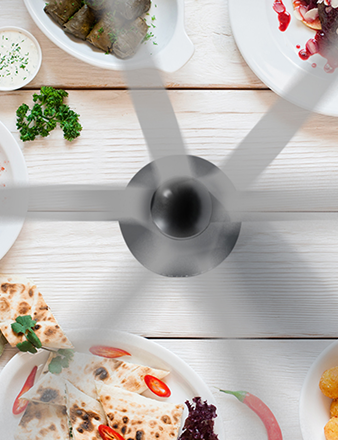
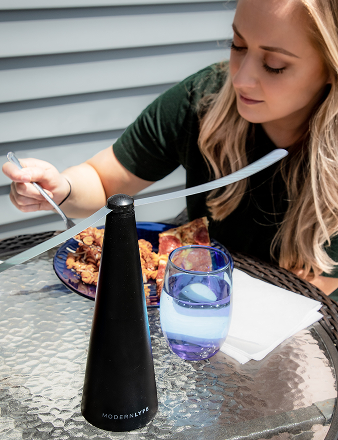
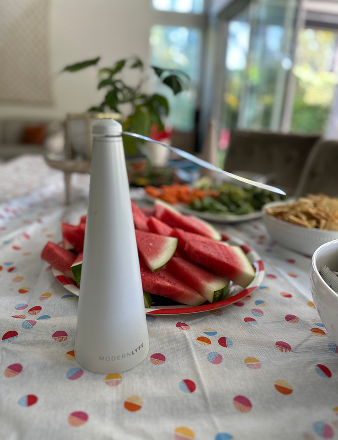
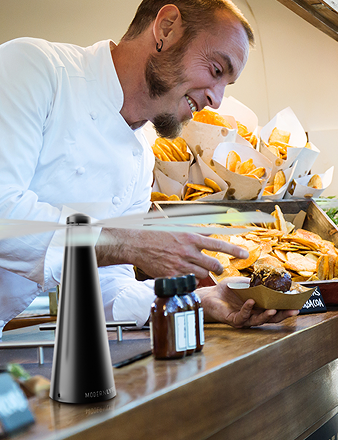
In outdoor and semi-open settings, subtle airflow can be one of the most practical controls. Quiet tabletop fly fans help create a less inviting landing zone around exposed food without turning the setup into a clunky pest-control display.

That matters because waste prevention in service isn't just about leftovers. It's about protecting food that should have remained saleable or servable. In my experience, operators often underestimate how much product they discard because it no longer feels guest-ready, even when the root cause was preventable environmental exposure.
You also can't separate hygiene from reputation. Guests read visible control as professionalism. If your event standards already cover handwashing, temperature control, and clean service lines, adding practical exposure control fits naturally alongside broader food service hygiene standards.
Food that looks compromised usually becomes waste, even when the original purchasing and prep decisions were sound.
Where this matters most
This type of protection is especially useful in settings where food sits briefly but visibly:
- Buffet lines: especially fruit, pastries, charcuterie, and plated desserts
- Outdoor weddings: long service windows and unpredictable airflow
- Patios and rooftops: guest comfort and food protection intersect
- Food trucks and markets: compact setups with limited shielding
- Backyard entertaining: hosts can't monitor every tray every minute
The goal isn't gadget-driven waste prevention. The goal is to remove one avoidable reason good food gets thrown away.
Build a Lasting Culture of Waste Reduction
Most waste prevention programs fail for a simple reason. The audit happened, the meeting happened, the signage went up, and then service got busy.
A durable program needs habits, not enthusiasm. The teams that sustain results usually do three things well: they measure consistently, they train staff clearly, and they adjust the plan when reality exposes weak points. That aligns with guidance that successful programs depend on ongoing measurement, thorough employee training, and periodic plan adjustments, while a common pitfall is focusing only on recycling without source reduction, as noted in this waste-planning guide on effective strategy.
Train for shifts, not seminars
Staff don't need a lecture on landfill policy. They need short instructions that fit a live service environment.
A practical training model looks like this:
- Teach one behavior at a time: date labeling, batch size, station reset, tray replenishment, or stock rotation.
- Use team leads as translators: line cooks learn best from the sous chef they trust, not a slide deck.
- Tie the behavior to a visible problem: “This herb bin goes slimy because it's packed wet” lands better than “reduce organic waste.”
- Repeat during pre-shift: short reminders beat annual training marathons.
For households, the same principle works. Don't ask everyone to “waste less.” Ask them to follow two or three fixed habits, such as checking the fridge before shopping, labeling leftovers, and using one shelf for eat-first items.
Create one-page rules people will follow
Long policies don't survive contact with real operations. One page does.
Sample house policy
We buy to forecast, not to hope.
We label and rotate everything on receipt or prep.
We prep in batches that match service pace.
We protect displayed food from contamination.
We review discard causes weekly and fix the process, not just the symptom.
Managers should also define ownership. Who checks labels? Who reviews overproduction after events? Who signs off on damaged deliveries? If nobody owns the step, the step disappears.
For operators trying to tighten systems more broadly, this article on operational efficiency is useful because waste prevention sticks best when it's embedded in labor flow, inventory control, and service standards rather than treated as a side initiative.
Build reinforcement into normal work
Culture becomes real when waste prevention appears in ordinary routines:
| Routine | What to add |
|---|---|
| Receiving | Reject damaged or short-dated goods |
| Prep meetings | Confirm batch sizes and menu movers |
| Pre-shift | Remind staff of one priority behavior |
| End-of-day close | Log key discards and likely causes |
| Weekly manager review | Pick one fix for the next cycle |
Recognition matters too. A team that catches a recurring issue early should hear about it. Not with corporate slogans. Just clear acknowledgment that better habits protected product and reduced unnecessary spend.
The biggest mistake is thinking recycling proves progress. It doesn't. If the same amount of material keeps entering the building and leaving it, the core system hasn't improved.
Track Progress and Calculate Your Financial Payoff
Prevention has a policy logic behind it, but it also has a business logic. The EU's waste hierarchy prioritizes prevention first, and Eurostat reports that waste subject to disposal in the EU fell from 1,027 million tonnes in 2004 to 769 million tonnes in 2022, a 25.1% drop, even though total waste generated in the EU in 2022 was still 2,233 million tonnes or 4,991 kg per capita, according to Eurostat waste statistics and the EU hierarchy context. The operational lesson is clear. Disposal improvements matter, but preventing waste before it exists is still the strongest lever.
Measure what changed
Once you have a baseline, compare future periods using the same method. Keep it simple and operational. You're trying to answer four questions:
- Did total waste fall?
- Did the costly categories fall?
- Did purchasing tighten?
- Did disposal needs drop?

In hospitality, the most useful indicators are often:
- Food discarded by category
- Packaging discarded by area
- Items lost to contamination
- Rush reorders caused by poor planning
- Hauling frequency or container fill pressure
- Purchasing anomalies after menu or event changes
If your team already reviews shrink, spoilage, and overproduction, fold waste prevention into that process instead of creating a parallel reporting system. For food-focused operators, this resource on food loss reduction is a helpful companion because it frames prevention around handling, planning, and service design rather than disposal alone.
Use a plain ROI formula
You don't need a complex finance model. Start with this:
ROI formula
Financial gain from waste prevention minus program cost, divided by program cost
For a restaurant, “financial gain” usually includes lower purchasing waste, reduced disposal pressure, fewer emergency replacements, and less labor spent handling avoidable discard. “Program cost” usually includes scales, containers, labels, training time, storage improvements, and any protective service tools you add.
A practical example without invented performance claims looks like this:
| Step | What to calculate |
|---|---|
| 1 | Add the monthly cost of wasted food and supplies before changes |
| 2 | Add the monthly cost after changes using the same categories |
| 3 | Estimate disposal-related savings if less material leaves the site |
| 4 | Subtract implementation costs |
| 5 | Review whether the payback justifies keeping, expanding, or revising the program |
What operators often miss
The financial return doesn't only show up as a lower trash bill. It often appears first as better ordering discipline, cleaner storage, fewer duplicate purchases, and less product replaced during service. Those gains are less dramatic than a sustainability campaign, but they're usually more durable.
Track monthly. Review quarterly. Keep the calculation grounded in your own operation. If a tactic saves waste but creates service drag, adjust it. If a small procedural change protects margin and guest trust, standardize it.
Waste prevention becomes powerful when it stops being an environmental aspiration and starts being part of how you run the place.
Waste prevention works best when it's built into daily service, not treated as an afterthought. If you manage buffets, patios, catered events, or home gatherings and want a cleaner way to protect displayed food, MODERN LYFE offers practical insect-control solutions designed for real hospitality settings.