The quote on page one isn't the final bill. Even a published average doesn't tell you what your reception will cost: The Knot's 2025 Real Weddings Study puts average U.S. wedding catering at $80 per person in 2024, but that isn't an itemized proposal for your venue, menu, rentals, and service.
A caterer can offer excellent food and still leave you paying separately for glassware, kitchen equipment, delivery, or cleanup. Those exclusions aren't automatically unreasonable. The problem is discovering them after you've paid a deposit and stopped comparing vendors.
Ask wedding catering questions that expose a specific failure before it happens: a surprise invoice, a missing insurance certificate, an unsafe buffet, or a service team that leaves before cleanup. Ask for documents, names, equipment, and written terms rather than reassurance.
Compare the reception each caterer agrees to deliver, not just the menu each caterer agrees to cook.
Send the same questions to every finalist. Give them your venue, approximate guest count, service style, and reception schedule so their answers address the same job. Then judge how clearly they explain the work, identify exclusions, and put their commitments in writing.
1. Are you licensed, insured, and food-safety certified?
A missing insurance certificate can stop your caterer at the venue door. Start with approval to work at your location, not photographs of their best plated dinner.
Ask for the applicable business license and food-service permits, evidence of general liability insurance, and the name of the certified food protection manager responsible for your event. Verify requirements with your venue and local health department rather than assuming every jurisdiction uses the same credentials.
Get the venue's approval before paying
Send the venue's insurance requirements directly to the caterer. If the venue requires additional-insured status, have the caterer arrange the necessary documentation through its insurer.
- Check the dates: The insurance coverage and permits must cover your wedding date.
- Verify the business: Match the legal name on the contract to the permit and insurance documents.
- Name the safety lead: Confirm who supervises safe preparation and service, whether they're attending, and who covers an absence.
Say your venue rejects a certificate because the insured business name doesn't match the contracting company. Resolve that mismatch before booking, and get written confirmation that the venue accepts the corrected documents.
A professional caterer should explain what each document covers without treating your request as an insult. Keep copies with your signed agreement, not buried in a sales representative's inbox.
Walk away if the answer is that permits or insurance aren't necessary, or that you can see them after paying a nonrefundable deposit.
2. What exactly is included in your per-person price?
The cheapest quote can become the most expensive contract when the caterer adds the equipment and labor needed to deliver it. Request an itemized proposal and a complete estimated total, not just a price beside the menu.

Separate food, beverages, service staff, kitchen equipment, rentals, linens, delivery, setup, breakdown, taxes, service charges, and gratuity. Ask about cake cutting, corkage, vendor meals, rental damage, and overtime.
Compare complete jobs
Say one caterer includes china and cleanup while another prices food alone. Ask both to quote the same scope before deciding which offers better value.
Request a redacted final invoice from a comparable wedding. Use it to spot charges absent from your proposal, then ask which costs remain estimates and when prices become fixed.
Don't assume a service charge is a tip. Ask whether it's taxable, who receives it, and whether gratuity is separate; use this guide to wedding catering gratuity to organize that conversation.
If you're considering Mauritian dining for your wedding reception, apply the same test: establish the meal, service, equipment, and venue responsibilities before comparing the headline price.
Invoice rule: Every necessary expense belongs in the proposal, even when another supplier will bill you for it.
Walk away if the caterer won't itemize the quote or says mandatory charges will be explained after you book.
3. How do you handle dietary restrictions and allergies?
A guest with a serious allergy needs more than a reassuring nod from a server. Ask the caterer to explain how dietary information moves from your RSVP list to the kitchen, onto the correct plate, and into the server's hands.
Collect restrictions through your wedding website or RSVP form. Distinguish allergies from preferences, and let guests describe their needs without asking them to disclose unnecessary medical details.
Follow the meal through service
- Before preparation: Request ingredient information and an honest explanation of shared-kitchen limitations.
- During preparation: Ask about separate utensils, cleaned work surfaces, storage, and staff handoffs.
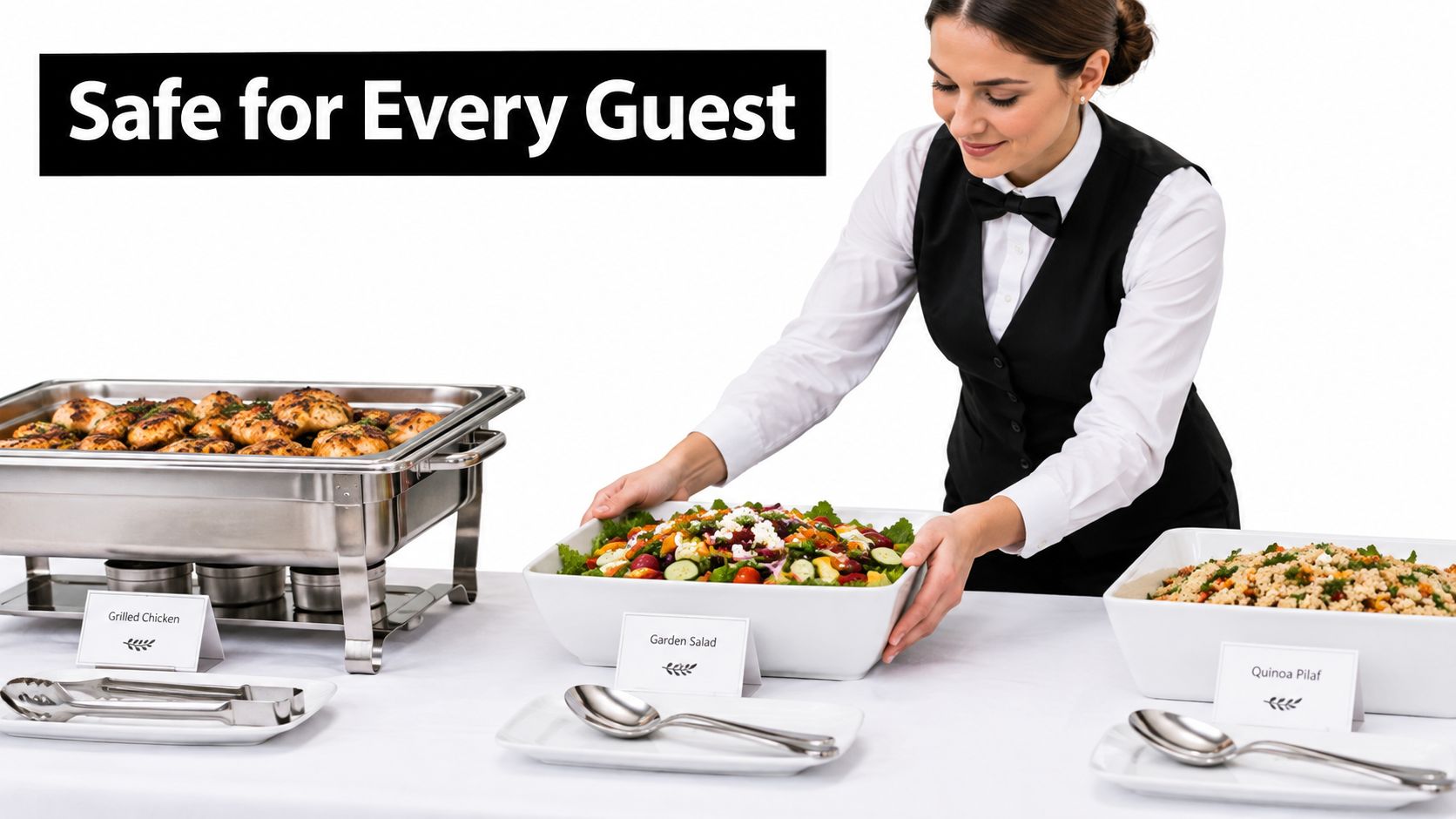
- At service: Confirm clear labels, protected portions, and a named staff contact for guest questions.
For example, a guest with a shellfish allergy shouldn't have to assess shared buffet utensils while the queue builds behind them. Arrange an identified, separately handled meal and a server who knows exactly where it goes.
Use wedding catering menu ideas to develop substantial alternatives, not token substitutions. A plant-based guest deserves a complete meal with the same care and presentation as everyone else.
Ask what happens when a supplier changes an ingredient or a guest reports an allergy late. A capable caterer states its limitations clearly and updates the service instructions.
Walk away if the answer is that guests can pick allergens out, or that staff will figure out dietary meals during dinner.
4. Can we taste the menu, and how does the tasting process work?
Treat the tasting as a working meeting, not a complimentary date night. You're checking portion size, seasoning, presentation, and whether the caterer can deliver the food under your reception's conditions.

Confirm the fee, attendance limit, available dishes, and whether any tasting payment is credited toward the booking. Establish your rough budget and guest count first so you don't approve a menu you can't afford.
Taste for the service you've booked
A freshly plated sample doesn't show how an entrée performs after transport or holding. Ask which elements will be prepared onsite and which will arrive ready for service.
Say you enjoy the chicken but find the sauce too sweet. Request a specific adjustment, ask whether it changes the price, and record the agreed version in the menu attachment.
- Check portions: Confirm the sample represents the serving guests will receive.
- Test the alternatives: Taste the dietary meals alongside the main menu.
- Set revision rules: Establish substitution deadlines, extra tasting costs, and approval procedures.
Bring your partner and a key decision-maker, but keep feedback focused. Comments about texture, temperature, seasoning, and portion balance are more useful than a vague request to make a dish feel more elegant.
Don't mistake a paid tasting for a warning sign. Refusing to explain what you'll taste or what happens afterward is the problem.
Walk away if the caterer won't document menu changes or can't explain how the wedding meal will match the tasting.
5. How do you keep food safe during outdoor receptions and long buffets?
An attractive grazing table isn't automatically a low-labor service option. Someone must monitor temperatures, replenish dishes, protect utensils, and remove unsafe food while guests circulate.
FoodSafety.gov's wedding-food guidance advises keeping cold foods at or below 40°F (4°C) and hot foods at or above 140°F (60°C), and discarding perishables left without temperature control beyond 2 hours, or 1 hour when the environment exceeds 90°F (32°C).
Ask for an operating plan
Require a named temperature-monitoring lead, probe thermometers, temperature records, and a replenishment schedule tied to actual conditions. Fresh food belongs in clean replacement trays, not piled onto older food.
For a hot garden reception, ask about ice-supported cold displays, working hot-holding equipment, shaded placement, and protected backup stock. An hourly tray change alone doesn't prove food stayed safe.
- Control exposure: Track when food leaves temperature-controlled storage.
- Protect service: Agree on covers and insect-control placement without obstructing guests.
- Plan sanitation: Identify handwashing water, utensil cleaning, and waste removal.
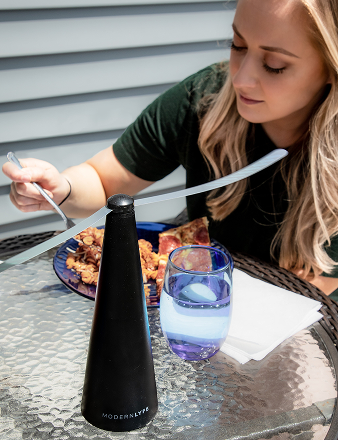
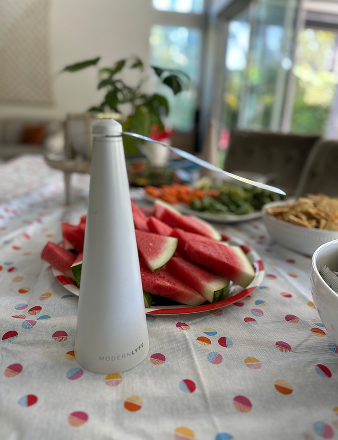
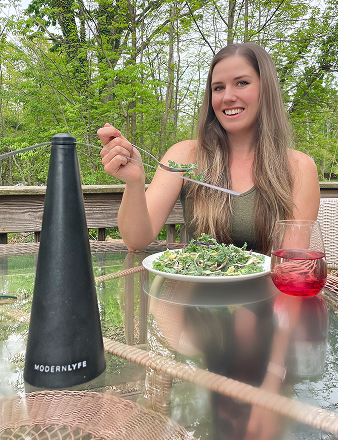
Use these outdoor food-safety tips to coordinate the buffet layout with your caterer and venue. Insect protection complements safe holding; it doesn't replace it.
Include insect-control equipment in that layout discussion.
Walk away if the answer is that shade, fresh-looking food, or fly protection makes temperature monitoring unnecessary.
6. What is your staffing ratio, and who will be on site?
If guests wait through speeches for dinner while dirty glasses collect on tables, the problem isn't necessarily the menu. The caterer may have sold a service plan without assigning enough people to execute it.
Ask for the guest-to-staff ratio and actual headcount by role: servers, bartenders, chefs, runners, setup crew, and cleanup staff. Have the caterer explain how that team supports your service style, room layout, and timeline.
Count roles, not uniforms
A bartender occupied at the bar isn't available to clear dinner plates. A chef finishing entrées can't also supervise a distant buffet.
Request the lead captain's and chef's names before booking. If the caterer assigns individuals later, put the assignment deadline, qualifications, and replacement process in the contract.
The useful answer isn't just how many people attend. It's who does each job when several jobs happen at once.
For a plated reception spread across separate rooms, ask who carries plates, who clears, and who coordinates course releases. Have the caterer explain how the kitchen-to-table distance affects staffing.
Confirm arrival and departure times, paid setup and breakdown, staff meals, breaks, and overtime. Ask whether the people at your tasting will work the reception, but prioritize a qualified event captain over a familiar salesperson.
Require approval before the caterer reduces the contracted staffing. Otherwise, you can pay for a service standard that disappears when the roster changes.
Walk away if the answer is that they'll bring whoever is available or decide staffing once they see how the evening goes.
7. What is your backup plan for weather, equipment failure, or no-shows?
A rain plan that says move indoors isn't a plan if nobody has checked where the buffet, kitchen, and guests will fit. Ask the caterer to walk through disruptions using your venue's actual layout.
Start with rain, extreme heat, power failure, delayed deliveries, refrigeration loss, and staff illness. For each problem, identify the person making decisions, the replacement resources, and the person responsible for authorizing added costs.
Make the fallback usable
- Weather: Reserve a workable covered service area and define the relocation trigger.
- Equipment: Identify replacement hot-holding equipment, refrigeration, and venue-approved backup power.
- People: Establish substitute staffing and a replacement event lead.
- Communication: Give the planner, venue coordinator, and catering captain the same contact sheet.
Say a thunderstorm approaches during cocktail hour. The captain should already know the approved indoor layout, the safe route for moving food, and who tells guests where to go.
Ask what happens to food if refrigeration fails. The caterer must assess documented holding conditions and discard unsafe food, not serve it because replacing dinner would be inconvenient.
Record who pays for emergency rentals and who can approve them. Don't leave your planner to negotiate an unfamiliar charge while the caterer waits for permission to act.
A credible plan includes limitations. If the venue can't support the proposed menu during a power outage, change the menu or infrastructure before signing.
Walk away if the answer is that they've never had a problem, so a written contingency plan isn't needed.
8. What are your deposit, payment, and cancellation policies?
A postponement can leave you paying for a reception that never happened if you haven't read the contract. Separate cancellation, rescheduling, and caterer cancellation because each needs clear terms.
Ask what secures the date, when payments are due, and which payments are refundable under which conditions. Confirm what happens if the caterer can't perform, not just what happens if you cancel.
Read the terms against real scenarios
Say you postpone and want to transfer your deposit. Establish whether the new date must fall within a defined window, whether availability is guaranteed, and whether current pricing replaces the original quote.
- Guest counts: Identify the final-count deadline, minimum billable count, and rules for increases or reductions.
- Price changes: Set a price-lock date and require written approval for substitutions or added work.
- Cancellation: Request the applicable charges and treatment of payments already made.
- Disputes: Confirm how complaints, refunds, and unresolved disagreements are handled.
Don't assume fewer attendees will reduce the invoice. Ask the caterer to explain what you'll owe if RSVPs fall below the contracted minimum.
Read the attachments as carefully as the main agreement. Your approved menu, staffing plan, rental scope, service hours, and contingency arrangements should be part of the deal, not separate promises.
Keep the signed version and receipts together. If a clause is unclear or exposes you to substantial loss, have a qualified legal professional review it before payment.
Walk away if the caterer pressures you to pay before providing the complete contract or refuses to put sales promises in writing.
Benchmarks and Documents to Check for Each Caterer Question
| Item | Typical Benchmark | Document to Request | Budget Impact |
|---|---|---|---|
| Are you licensed, insured, and food-safety certified? | Often $1 million liability coverage; current permits and certified food protection manager | Certificate of insurance, business license, health permit, and staff food-safety credentials | Coverage and compliance are essential; verify any additional venue requirements |
| What exactly is included in your per-person price? | Add about 20–30% to the base quote for an all-in estimate | Itemized proposal and sample final invoice | A $75 base quote may reach about $100 per guest after fees and extras |
| How do you handle dietary restrictions and allergies? | No standard benchmark; procedures should cover tracking, labeling, and cross-contact prevention | Dietary and allergen-handling procedures, plus sample menu labels | Specialty meals may increase costs |
| Can we taste the menu, and how does the tasting process work? | Often 2–4 tasting guests; fees and credits vary | Written tasting policy, including fees, guest limits, and menu changes | Tasting fees may apply and may not be credited |
| How do you keep food safe during outdoor receptions and long buffets? | Perishable food should generally be out no more than 2 hours, or 1 hour above 90°F | Food safety plan covering temperature checks, food rotation, and outdoor protection | Holding equipment and monitoring may add labor and equipment costs |
| What is your staffing ratio, and who will be on site? | About 1 server per 10–20 guests for plated service; 1 bartender per 75–100 guests | Event staffing plan with roles, ratios, arrival times, and overtime terms | Additional staff increase labor costs |
| What is your backup plan for weather, equipment failure, or no-shows? | No standard benchmark; plans should address weather, equipment, and staffing | Written contingency plan and venue coordination details | Backup equipment and staffing may add costs |
| What are your deposit, payment, and cancellation policies? | Deposits often 25–50%; final headcount commonly due 7–14 days before the event | Full contract with payment schedule, headcount deadline, and cancellation terms | Deposits affect cash flow and may be nonrefundable |
Ask, Verify, Then Sign Your Next Move
Pick your top three caterers and send them the same eight questions in writing. Include the same venue details, guest estimate, menu preferences, and timeline so they price and plan the same reception.
Compare their answers on the complete price breakdown, insurance documentation, staffing ratio, and cancellation terms. Keep a separate note of anything still unresolved, especially equipment rentals, dietary handling, overtime, and responsibility for cleanup.
Verify what matters before the deposit
A polished proposal isn't proof that the operational details work. Send the insurance documents to your venue, review the service timeline with your planner, and ask the caterer to resolve conflicting responsibilities.
For example, if the venue says the caterer removes rubbish but the proposal excludes disposal, assign that job and its cost before signing. Do the same for rental returns, kitchen cleaning, leftover food, and emergency equipment.
Choose the caterer who explains constraints candidly. A clear admission that a kitchen can't safely accommodate a particular allergy is more useful than an unsupported promise to accommodate everyone.
- Resolve omissions: Ask for a revised proposal rather than relying on a reassuring email.
- Attach commitments: Include the final menu, staffing, service hours, rentals, and contingency responsibilities in the agreement.
- Confirm the handoff: Make sure the event captain receives the approved plan and knows who can authorize changes.
Price still matters. But a lower total isn't a saving if you'll need to hire missing staff, source equipment yourself, or negotiate emergency charges during the reception.
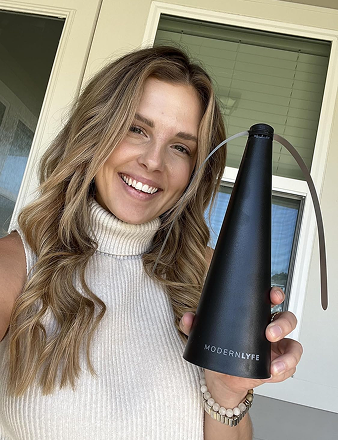
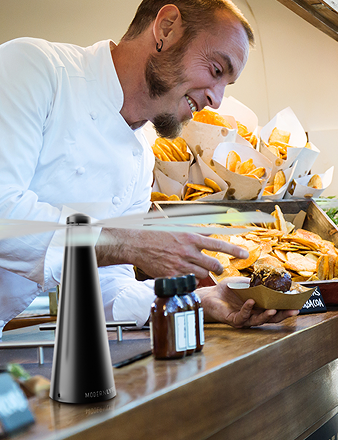
For outdoor service, coordinate insect protection alongside the food-holding plan. MODERN LYFE's quiet, battery-operated fly fans are an option for buffet and dining-table placement; ask the caterer to approve locations that preserve clear access to food and utensils.
Book the team that answers specifically, supplies the documents, and accepts responsibility in writing. Vague answers don't become better after a deposit clears, and you shouldn't have to manage the catering operation on your wedding day.
MODERN LYFE offers quiet, battery-operated fly fans for buffet lines, outdoor receptions, and dining tables. Visit MODERN LYFE to explore options and discuss placement with your caterer as part of your wedding's insect-control plan.